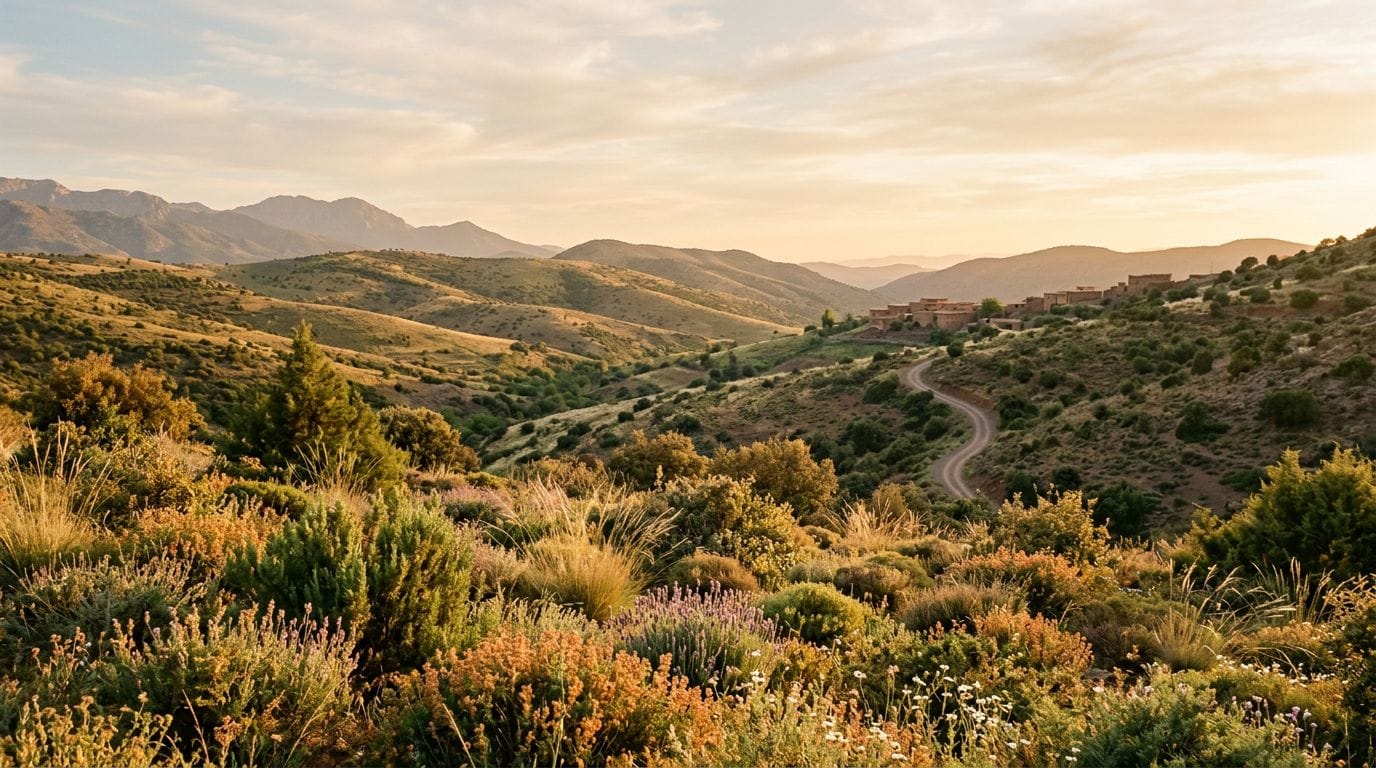
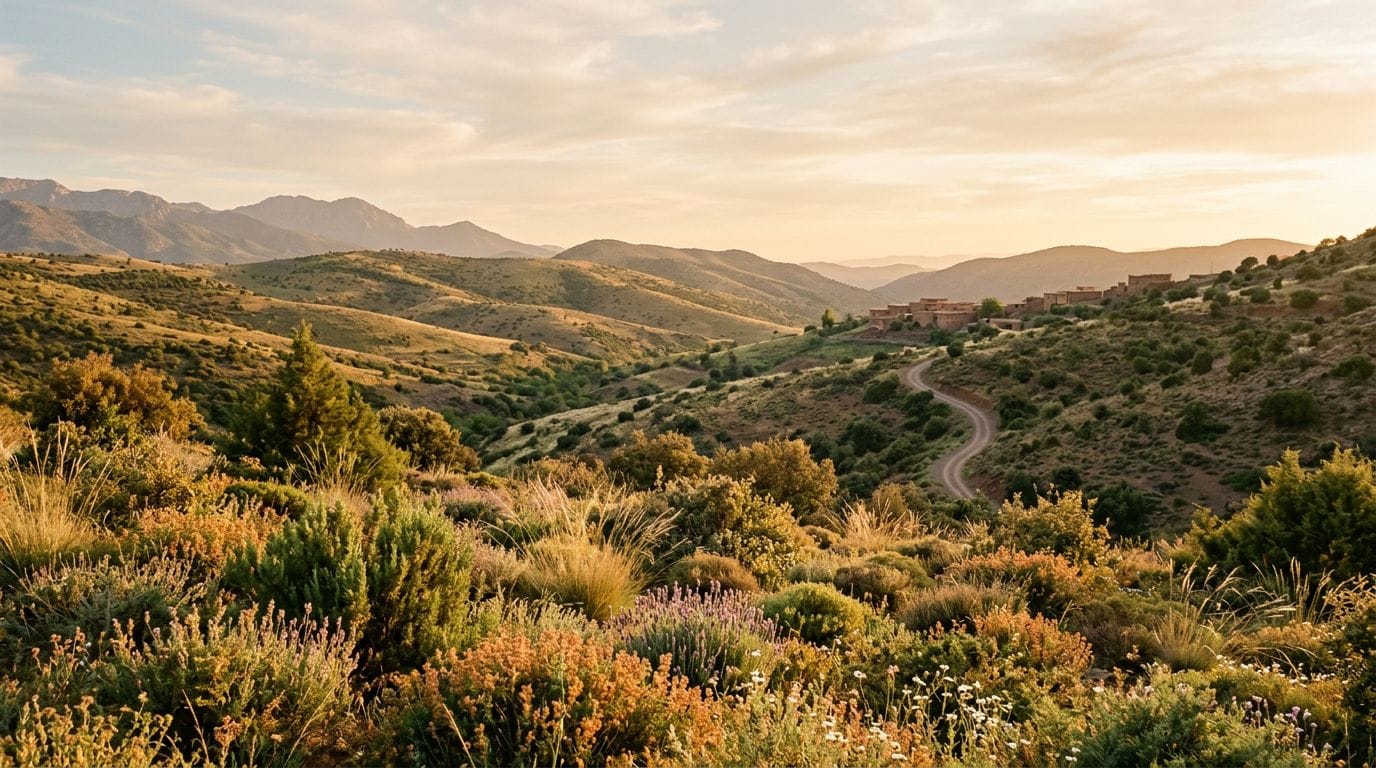
Amidst the vibrant markets and ancient medinas of Morocco, a deeper story unfolds—a tale of indigenous plants that have quietly sustained communities for generations. From the rugged peaks of the Atlas Mountains to the vast stretches of the Sahara Desert, these plants are more than just flora; they are the lifeblood of Moroccan culture and a beacon for sustainable living. Each plant tells a story of resilience, deeply woven into the fabric of local traditions and daily life.
Discovering Morocco's Indigenous Plant Treasures
From the arid expanses of the Sahara to the lush valleys of the Rif, Morocco is home to a remarkable variety of indigenous plants. Among these, the argan tree stands as an icon, thriving in the semi-desert Souss Valley. Its oil, extracted from the tree's kernels, is famed for its culinary and cosmetic applications, deeply embedded in Moroccan life. Similarly, rosemary and thyme flourish across the Moroccan landscape, contributing not only to local cuisine but also to the ecological balance by preventing soil erosion and providing habitats for wildlife.
Cultural Significance and Traditional Uses of Indigenous Plants
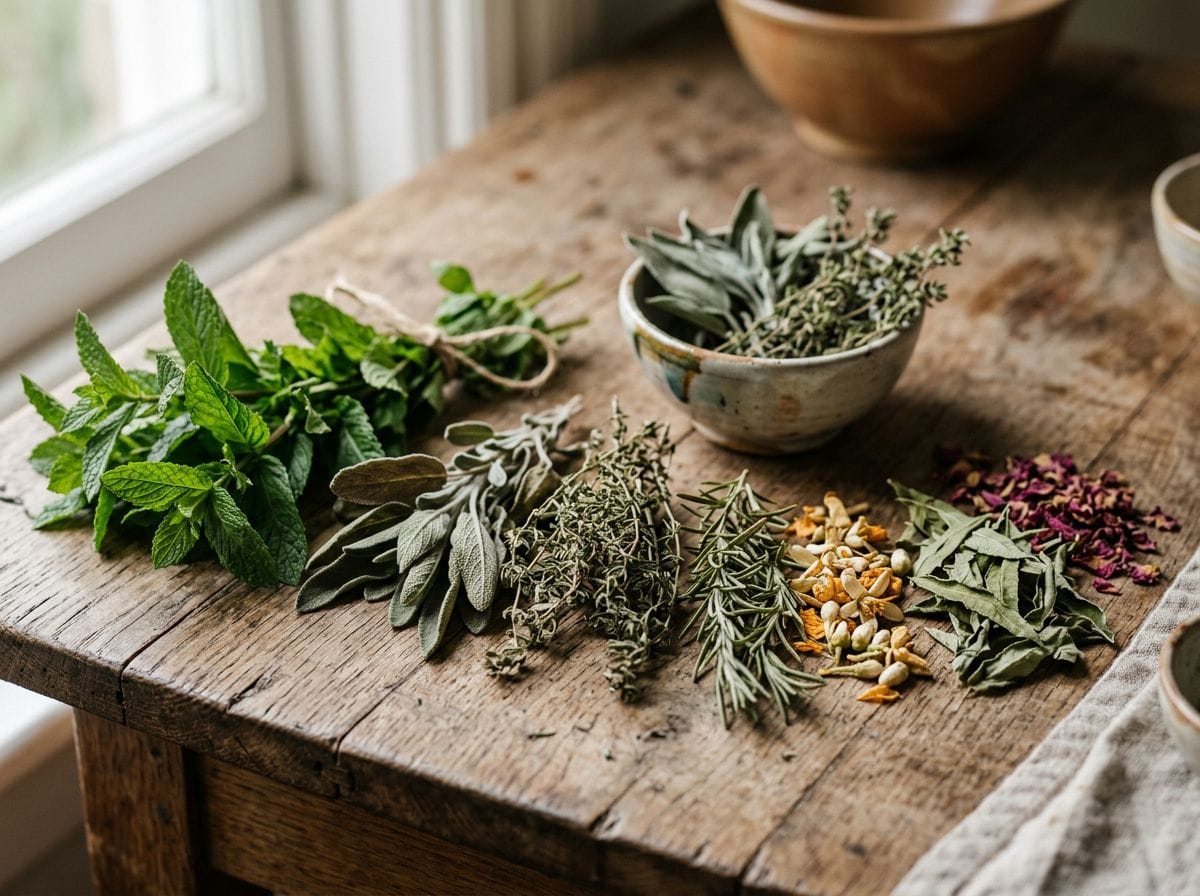
Indigenous plants hold a revered place in Moroccan culture, woven into the traditions and daily lives of its people. The fragrant rosemary, for instance, is often used in traditional ceremonies, symbolizing remembrance and fidelity. In the artisanal markets of Marrakech, you'll find baskets and crafts made from local palm fronds, showcasing the ingenuity of using natural resources sustainably. Culinary traditions, too, are rich with indigenous flavors—think of the aromatic mint used in the ubiquitous Moroccan tea, a staple of hospitality and social gatherings.
Medicinal Properties of Native Plants in Moroccan Herbal Remedies
Morocco's indigenous flora offers a treasure trove of medicinal plants, each with its unique healing properties. The prickly pear cactus, for example, is not only a source of nourishment but also revered for its skin-soothing and anti-inflammatory properties. Sage, another local herb, is used to alleviate digestive issues and respiratory ailments. These traditional plant uses are gaining renewed interest as people seek natural alternatives to modern pharmaceuticals.
Incorporating Indigenous Plants into Sustainable Landscaping
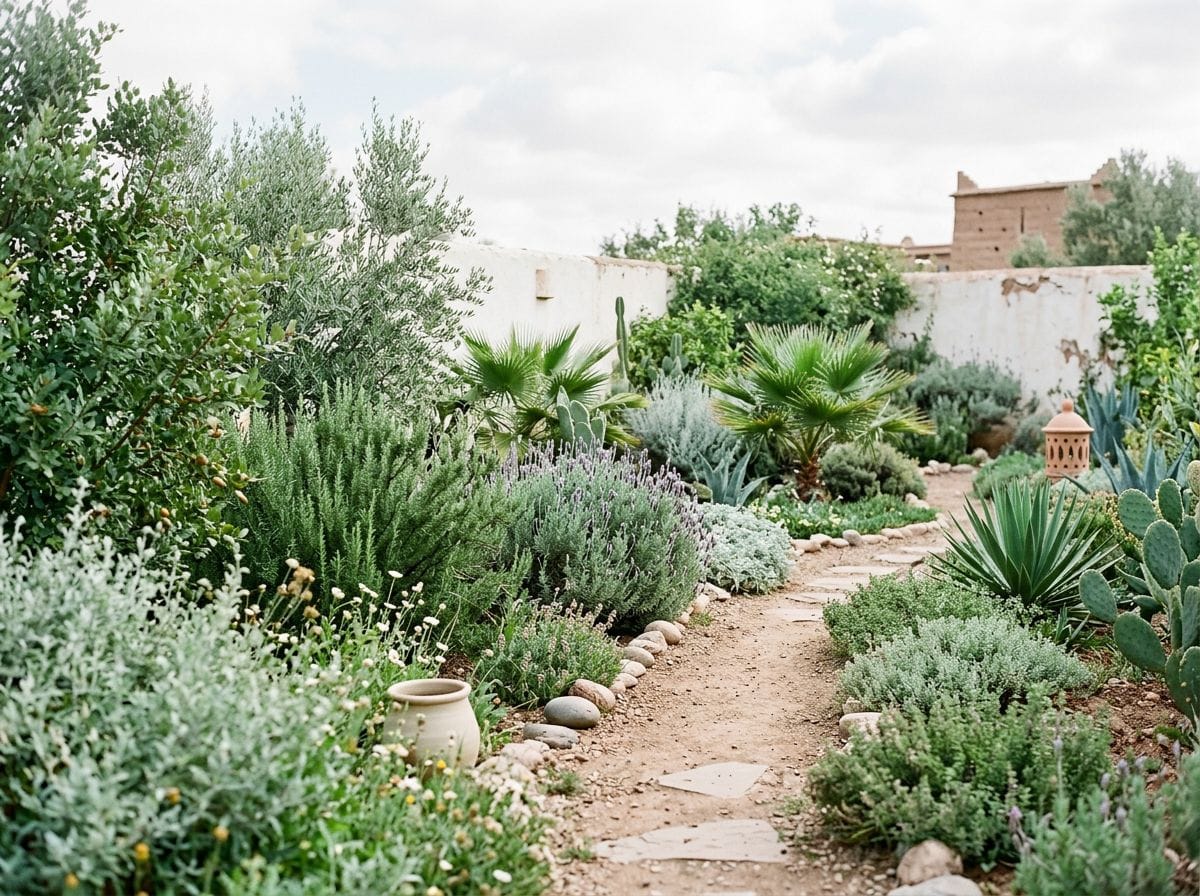
Embracing indigenous plants in landscaping practices is a step towards sustainability and biodiversity. Gardens featuring native species like the hardy lavender or the resilient carob tree require less water and maintenance, making them perfect for sustainable landscaping. Such practices not only conserve water but also support local wildlife, creating a balanced ecosystem. Across Morocco, initiatives are underway to incorporate these practices in public and private spaces, showcasing the aesthetic and environmental benefits of indigenous plants.
Preserving Indigenous Plant Knowledge for Future Generations
As global influences grow, preserving the knowledge of indigenous plants is crucial for future generations. Efforts are underway to educate young Moroccans about the cultural and practical importance of these plants. Organizations like the Moroccan Biodiversity and Livelihoods Association are actively working to conserve plant biodiversity and promote awareness. By preserving this knowledge, Morocco ensures that its cultural heritage and natural resources remain a source of identity and sustainability for years to come.
In the heart of Morocco's landscapes and traditions, indigenous plants continue to play a vital role. They are not only essential for maintaining ecological balance but also serve as a bridge connecting the past and the future. As we explore sustainable living, these plants offer invaluable lessons in resilience, adaptability, and harmony with nature. To truly appreciate their value, consider exploring local gardens or engaging with community initiatives that celebrate Morocco's botanical heritage.