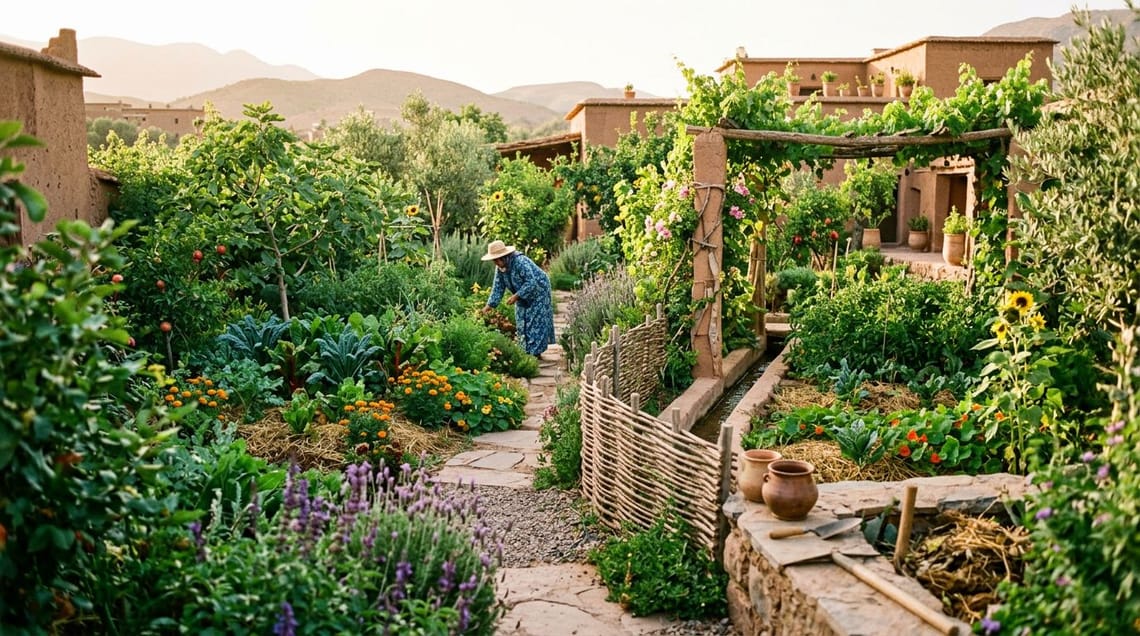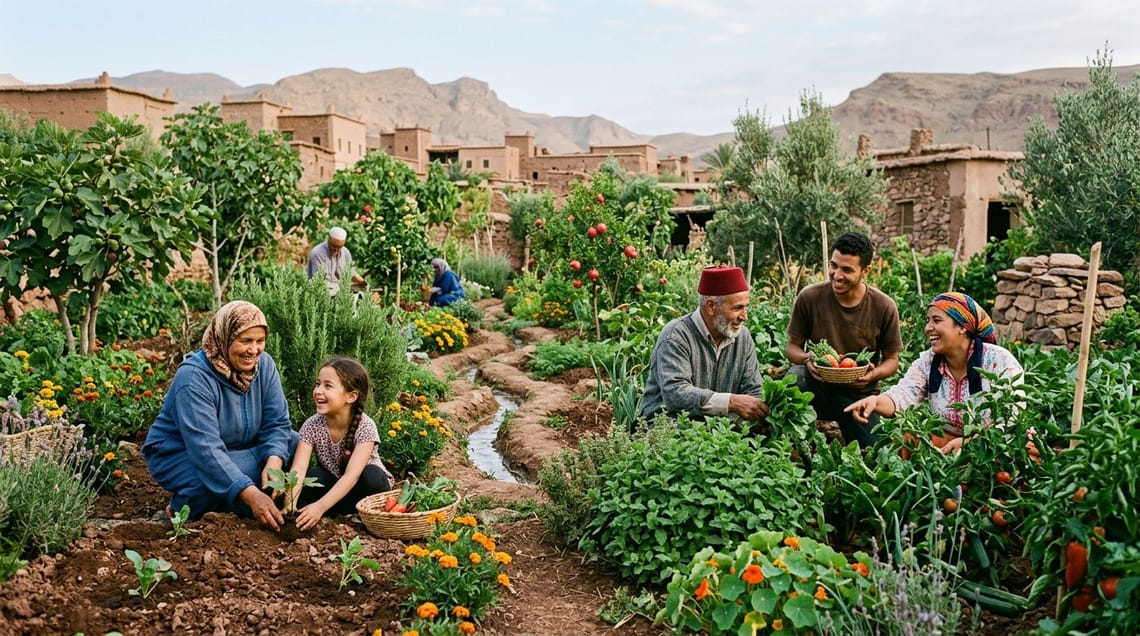
Picture a vibrant garden in the heart of Morocco, where every plant not only flourishes under the sun but also plays a pivotal role in nurturing the environment. By choosing native plants, gardeners can craft sustainable landscapes that honor Morocco's rich biodiversity. This North African nation boasts a tapestry of ecosystems—from the windswept coastal plains to the rugged Atlas Mountains and the vast Sahara Desert. Each region offers distinct opportunities and challenges for cultivating a thriving garden.
In Morocco, sustainable gardening practices are more than just beneficial—they're essential. These practices help mitigate desertification and conserve precious water resources. Native plants, which have naturally adapted to the local climate over centuries, are key to these efforts. They require minimal maintenance and provide critical habitats for indigenous wildlife, enhancing biodiversity.
Choosing Moroccan Native Plants for Your Garden
Native plants are not just beautiful; they're the unsung heroes of sustainable gardening, perfectly suited to the unique Moroccan landscape. These plants have developed adaptations over centuries to thrive in local soil and climate conditions. For instance, the Argan tree (Argania spinosa), native to the semi-desert Sous Valley, is not only drought-resistant but also supports local economies through its valuable oil.
Choosing native plants like the fragrant Thyme (Thymus saturejoides) or the vibrant Moroccan Iris (Iris tingitana) means embracing species that require minimal irrigation. This is particularly beneficial in regions where water is a precious commodity. Moreover, native plants provide essential support to local wildlife, including pollinators like bees and butterflies, which are crucial for maintaining healthy ecosystems.
Benefits of Sustainable Gardening Practices
Incorporating sustainable gardening practices with native plants can lead to flourishing ecosystems. Native species enhance local biodiversity by creating a habitat for a variety of insects, birds, and mammals. The reduction of chemical inputs, such as pesticides and fertilizers, not only lowers maintenance costs but also promotes soil health and a balanced ecosystem.
For example, the Prickly Pear Cactus (Opuntia ficus-indica) thrives with minimal water and provides food and shelter for wildlife. This approach to gardening encourages a natural balance, where plants, animals, and insects coexist harmoniously, enhancing the beauty and resilience of Moroccan flora.
Creating a Native Plant Garden Across Moroccan Climates
No matter where you are in Morocco, there’s a native plant garden waiting to flourish with the right approach and knowledge. In coastal areas, consider plants like the Sea Lavender (Limonium sinuatum), which thrives in sandy soils. For mountainous regions, the Atlas Cedar (Cedrus atlantica) offers shade and shelter.
In the arid desert, xeriscaping techniques can minimize water usage, with plants such as the Desert Date (Balanites aegyptiaca) offering both beauty and practicality. Design strategies should focus on grouping plants with similar water needs and using mulch to retain soil moisture. This thoughtful planning ensures your garden thrives with minimal environmental impact.
The Cultural Significance of Native Plants in Moroccan History
Delving into the past reveals how deeply intertwined Moroccan culture is with its native plants. The Argan tree, for instance, has been used for centuries in traditional medicine and cosmetics. Its oil is a staple in Moroccan cuisine, adding a nutty flavor to dishes.
Moroccan native plants also play a role in local customs and crafts. The fragrant leaves of the Myrtle (Myrtus communis) are used in wedding ceremonies, symbolizing love and prosperity. These cultural ties highlight the importance of preserving native species, not only for ecological reasons but also to maintain the rich tapestry of Moroccan heritage.
Supporting Local Wildlife and Pollinators with Native Plants
By choosing native plants, we not only beautify our gardens but also create vital habitats for the rich wildlife of Morocco. Native plants provide food and shelter for birds, mammals, and insects. For example, the Moroccan Broom (Cytisus battandieri) attracts bees and butterflies, essential pollinators that help gardens flourish.
Pollinators are crucial for maintaining healthy gardens, ensuring that plants can reproduce and thrive. A balanced ecosystem benefits both plants and animals, creating a dynamic environment that supports biodiversity. In this way, a garden filled with native Moroccan plants becomes a living, breathing part of the larger landscape.
Embracing native plants for sustainable gardening in Morocco is more than a trend; it's a commitment to preserving the natural beauty and ecological health of the region. By selecting species that are adapted to local conditions, gardeners can create vibrant, low-maintenance landscapes that support biodiversity and cultural heritage. As the sun sets over a landscape filled with native plants, we are reminded of the hope and promise these gardens hold for future generations. Start by visiting a local nursery or botanical garden to discover which native plants will best suit your space and contribute to a thriving Moroccan ecosystem.