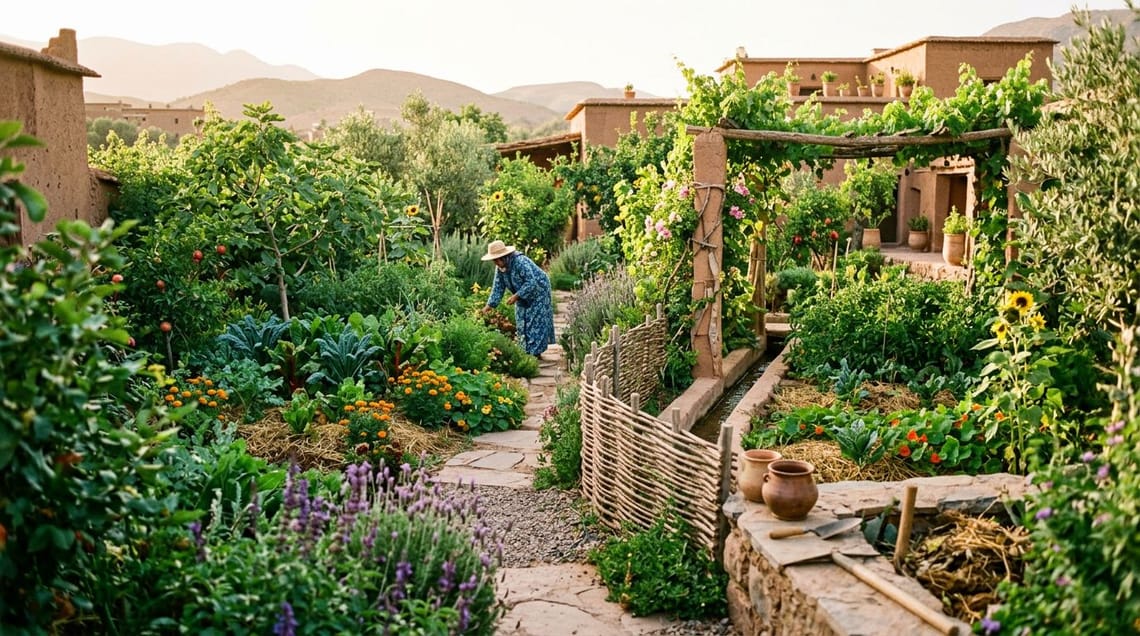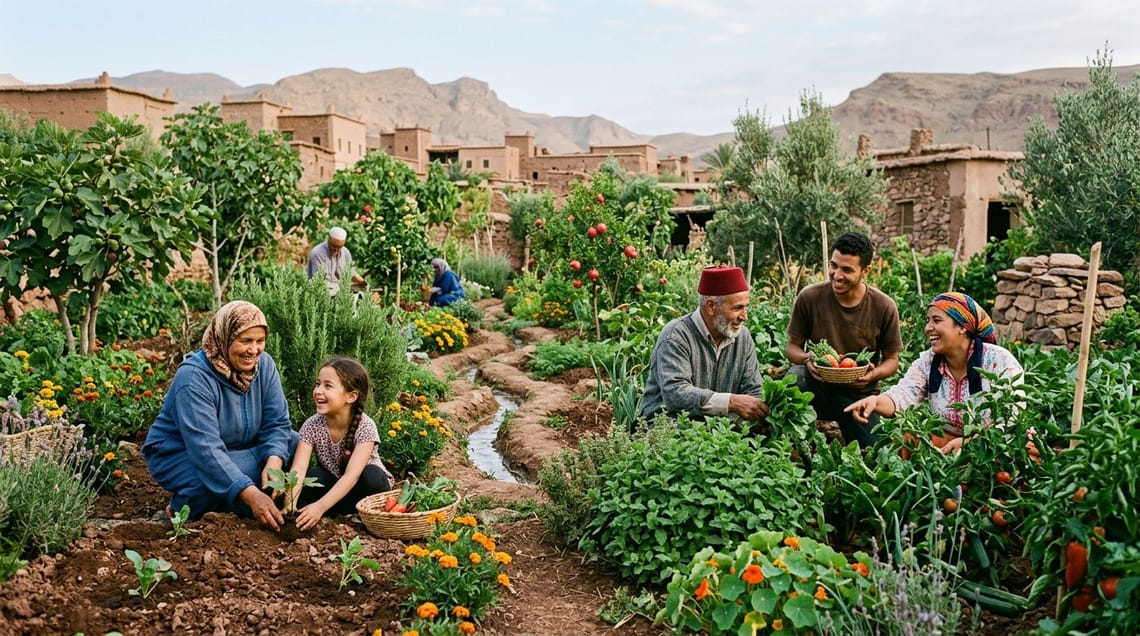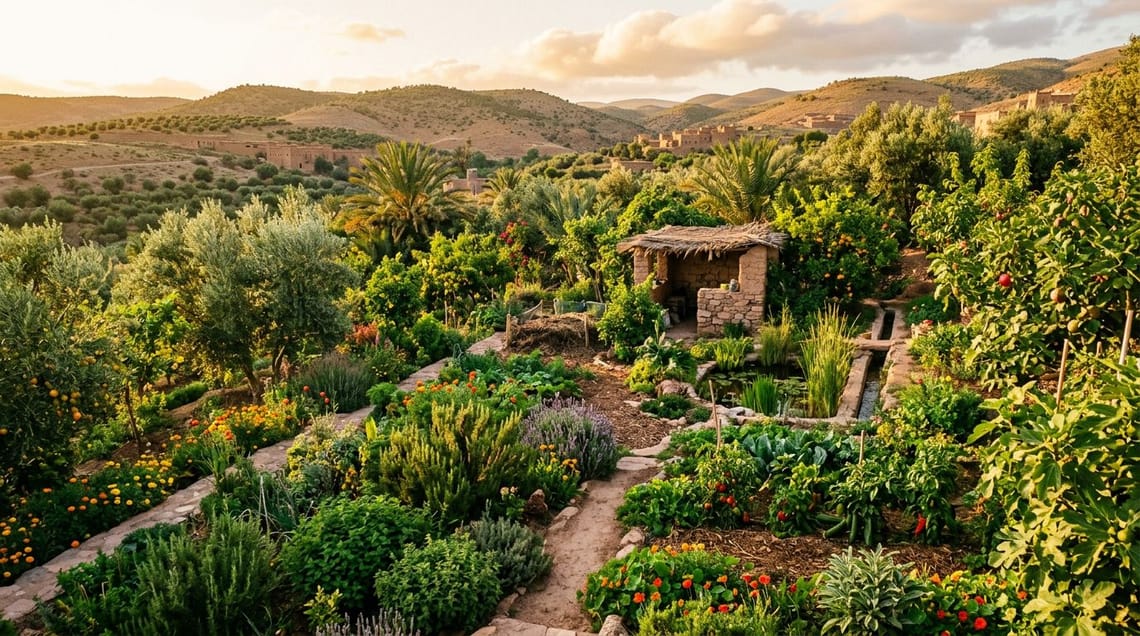
Picture a vibrant garden in the heart of Morocco, teeming with life and color, yet requiring minimal water and maintenance. This is the reality when you choose native plants for your garden. In a country where the climate swings from scorching summers to mild winters, native plants offer a sustainable solution that marries beauty with ecological responsibility. By turning to these local flora, gardeners can craft landscapes that are not only visually stunning but also resilient and environmentally friendly.
Why Native Plants Are Key to Sustainable Gardening
Native plants are not just beautiful; they are the backbone of sustainable gardening techniques that can transform our landscapes. These plants enhance biodiversity by providing habitats and food for local wildlife, including birds, bees, and butterflies. Since they are adapted to Morocco's climate, they require less water, showing remarkable drought resistance. This reduces the need for excessive irrigation. Additionally, native plants are naturally suited to local soil conditions, minimizing the need for chemical fertilizers and pesticides, which can harm the environment.
Top Native Plants for Moroccan Gardens
Discover the rich tapestry of Moroccan native plants that can thrive in your garden while promoting ecological balance. Some popular choices include Argania spinosa, known for its resilience and the famous argan oil it produces. Cistus, with its beautiful flowers, is another excellent choice for adding color without demanding much water. Lavandula dentata, or French lavender, is perfect for those seeking fragrance and beauty. When choosing plants, consider your garden's specific conditions, such as sunlight, soil type, and space, to ensure a thriving garden.
Designing Your Garden with Native Flora
A well-designed garden using local flora can be a stunning oasis that reflects the beauty of Morocco while being mindful of resource conservation. Start by integrating native plants into your existing garden. Group plants with similar water needs together, which helps in efficient watering. Aim for diverse planting schemes to create visual interest and ecological balance. Incorporating xeriscaping principles, which focus on water conservation, can further enhance your garden’s sustainability. This might include using mulch to retain soil moisture and designing landscapes that naturally collect rainwater.
Water Conservation Techniques through Native Planting
By embracing ecological gardening practices, you can create a lush garden that thrives on minimal water, thanks to the resilience of native plants. Xeriscaping is a technique that emphasizes designing gardens to reduce or eliminate the need for irrigation. Consider installing drip irrigation systems that deliver water directly to the plant roots, minimizing evaporation. Examples of successful water-wise gardens in Morocco often showcase thoughtful plant selection and strategic garden design, proving that beauty and sustainability can go hand in hand.
Examples of Successful Native Plant Gardens in Morocco
Let the stories of fellow gardeners inspire you to cultivate your own sustainable sanctuary using the beauty of Moroccan native flora. In Rabat, a community garden has transformed an urban space into a haven for local wildlife, using Limonium and Santolina to great effect. In Marrakesh, private gardens utilizing Retama raetam boast vibrant blooms and attract pollinators, all while maintaining low water usage. These gardeners share a common joy in watching their gardens thrive with minimal intervention, illustrating the power of working with nature.
Embrace Native Plants for a Sustainable Future
As you embark on your gardening journey, remember that every native plant you incorporate not only beautifies your space but also contributes to a more sustainable and resilient Morocco. Start small and gradually introduce native species into your garden. Each step you take helps protect local ecosystems and supports the movement for sustainable gardening in Morocco. Together, we can cultivate gardens that respect our environment and celebrate the natural beauty of Moroccan flora.