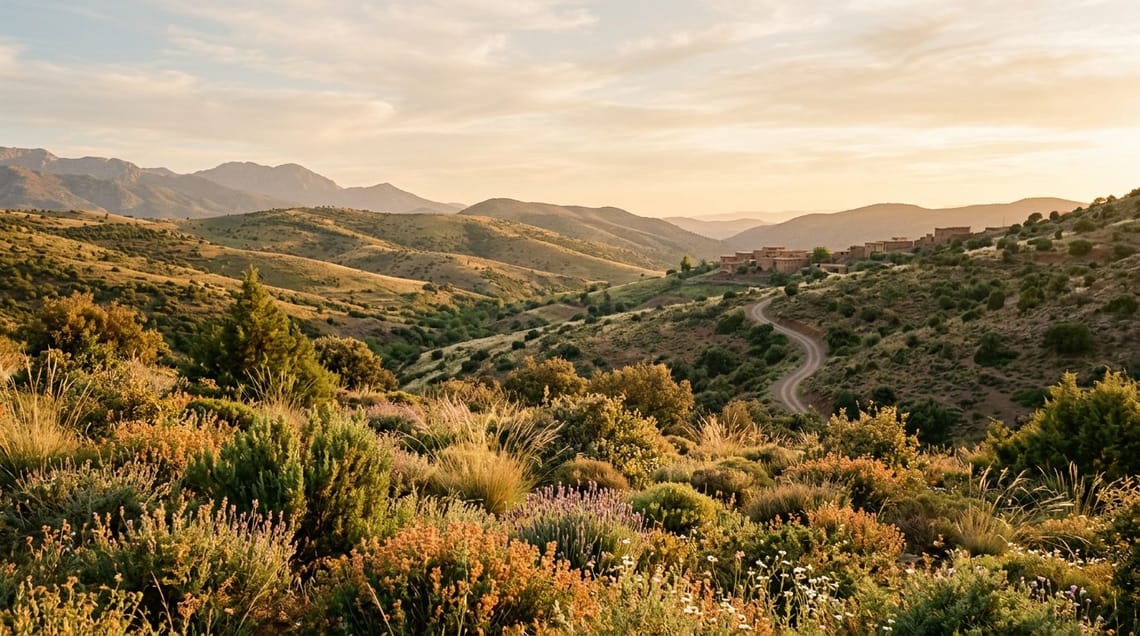
As dawn breaks over Morocco's diverse landscapes, a transformative movement quietly gains momentum. This movement, rooted in permaculture, intertwines seamlessly with the urgent call for biodiversity conservation. Permaculture, a design philosophy that mirrors natural ecosystems, emerges as a crucial ally in enhancing biodiversity across Morocco's varied environments. But what makes permaculture such a powerful force in this endeavor?
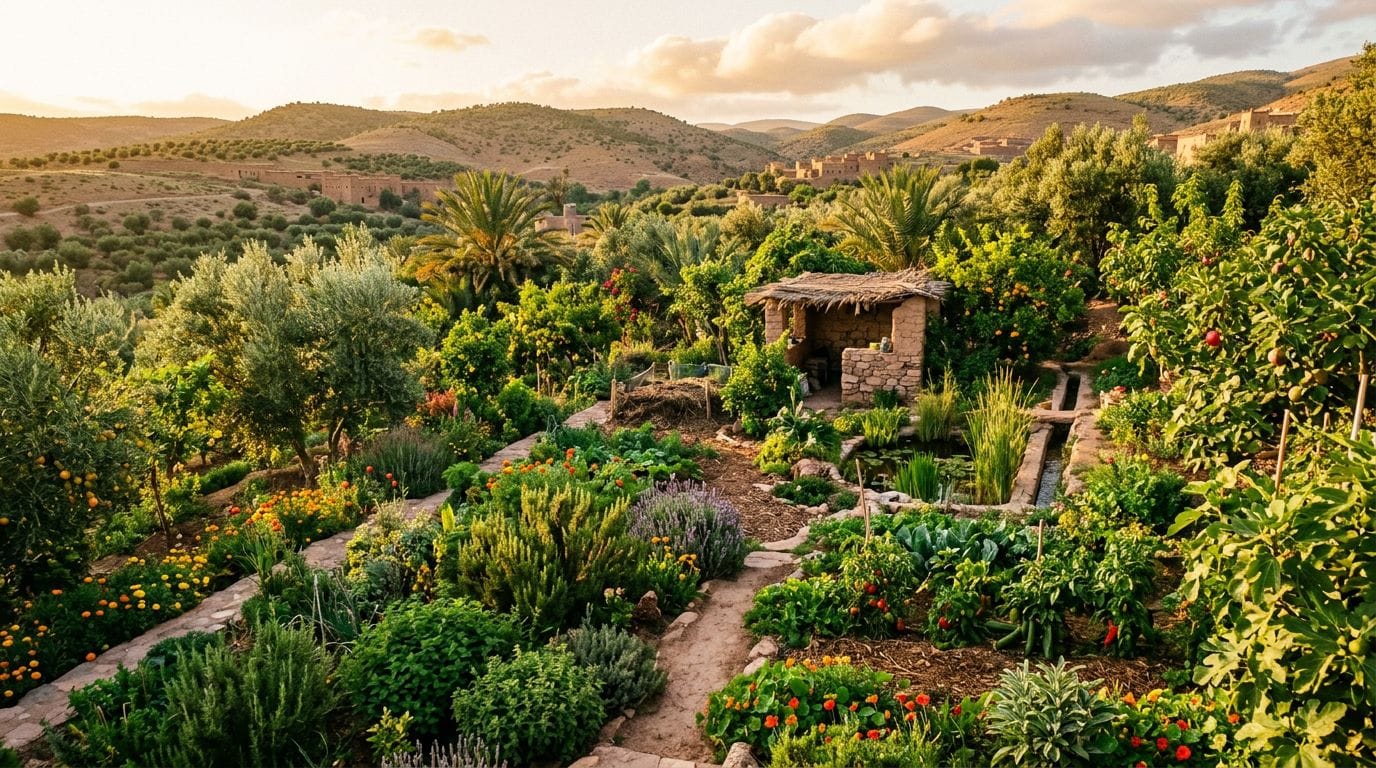
Permaculture Principles: A Natural Fit for Morocco's Challenges
Permaculture transcends traditional agriculture; it's a holistic philosophy that champions collaboration with nature. Core principles include observing natural systems, utilizing renewable resources, and valuing diversity. These concepts resonate deeply in Morocco, where challenges like desertification and water scarcity threaten the delicate balance of biodiversity.
In Morocco, sustainable land management is not just beneficial—it's essential. Permaculture offers frameworks that perfectly align with the goals of preserving natural resources and enriching biodiversity. By crafting self-sustaining agricultural systems, permaculture fosters ecological balance and supports a multitude of species.
Permaculture Projects: Boosting Biodiversity Locally
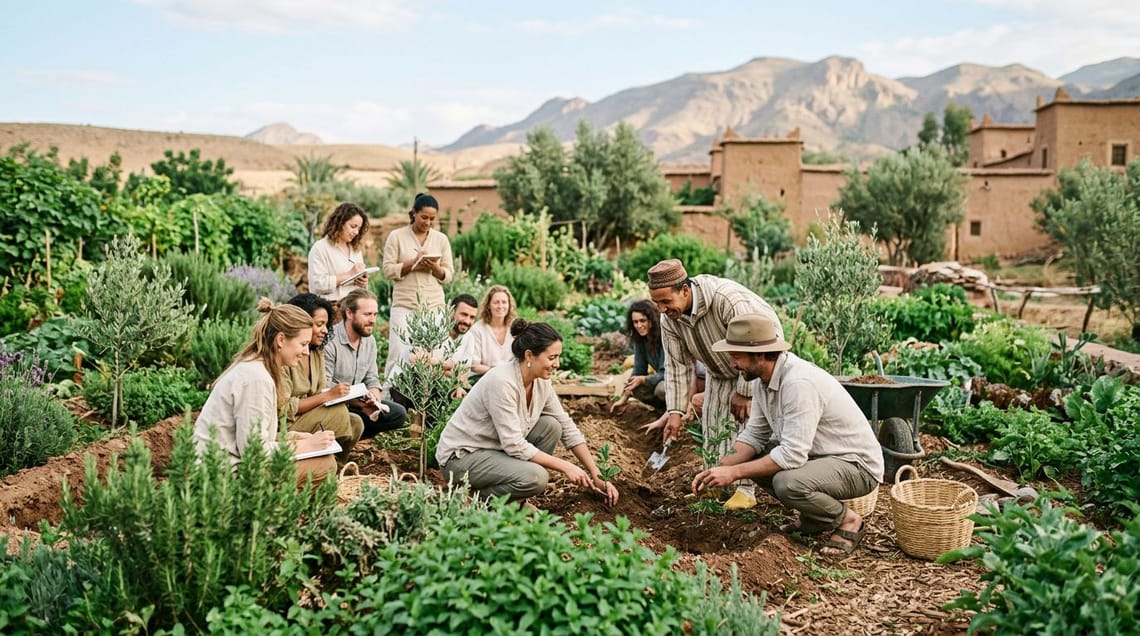
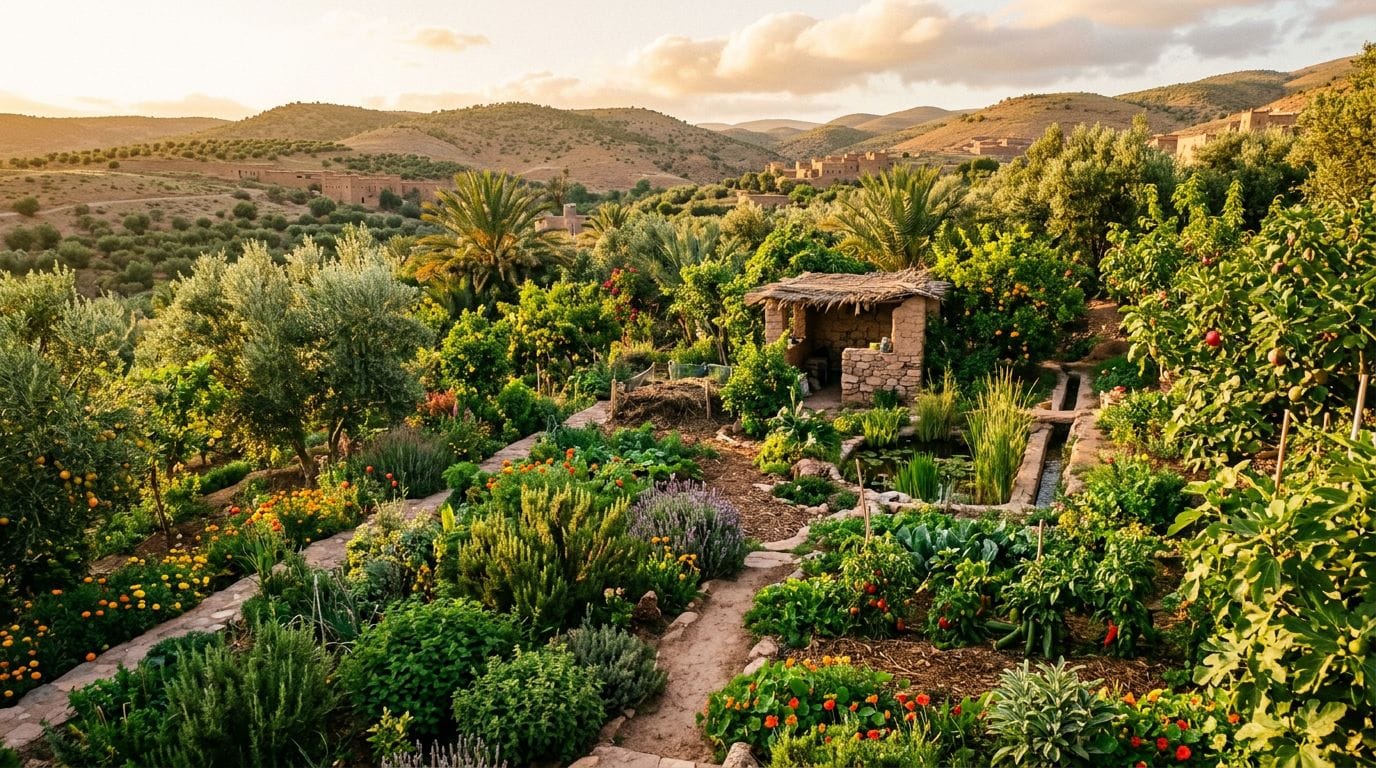
Across Morocco, several permaculture initiatives highlight the potential for biodiversity enhancement. In the semi-arid regions near Marrakesh, permaculture gardens are cultivated to encourage species diversity. Techniques such as companion planting and the creation of microclimates have been pivotal in attracting various species of insects and birds.
In the Rif Mountains, partnerships between local communities and NGOs have successfully implemented permaculture systems that not only increase biodiversity but also bolster food security. These projects exemplify how ecological farming practices can lead to thriving ecosystems rich with life.
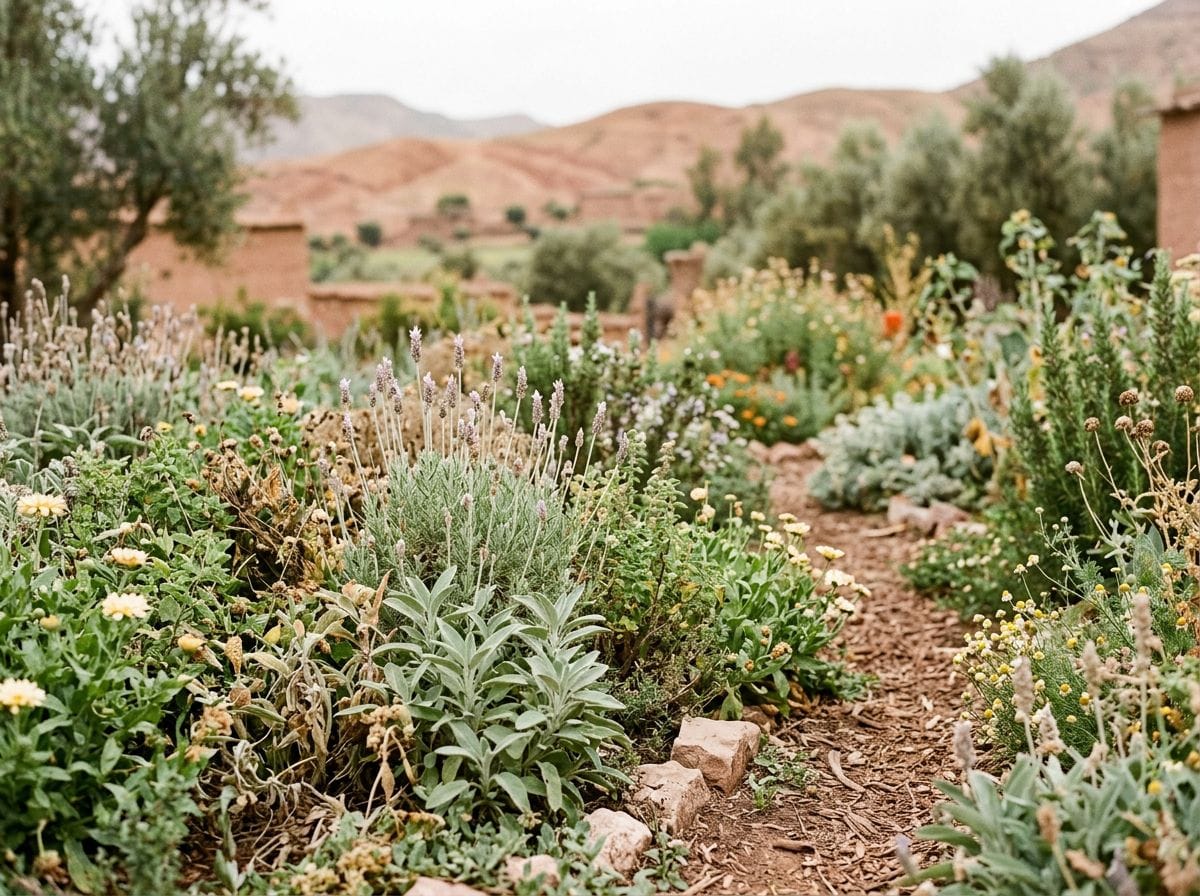
Permaculture's Role in Soil Health and Ecosystem Stability
One of permaculture's most profound impacts is its enhancement of soil health. Techniques like composting, mulching, and no-till farming improve soil fertility and structure. Healthy soil forms the backbone of a biodiverse ecosystem, supporting a wide range of microorganisms, plants, and animals.
In the Souss-Massa region, permaculture practices have rejuvenated degraded lands, leading to the resurgence of native plant species and increased wildlife activity. These ecological farming practices not only maintain ecosystem balance but also fortify local communities against environmental changes.
Engaging Communities in Permaculture Practices
Local communities are the heart of permaculture initiatives in Morocco. By involving residents in the design and upkeep of permaculture systems, these projects ensure sustainability and foster a sense of ownership. Community-driven efforts have yielded social and economic benefits, such as improved livelihoods and strengthened community bonds.
Success stories abound, such as in the village of Ait Bouguemez, where residents have transformed their landscapes through permaculture, significantly boosting local biodiversity. These efforts underscore that community engagement is vital for long-term biodiversity conservation.
Permaculture: A Solution to Biodiversity Loss in Morocco
Morocco grapples with numerous biodiversity challenges, from habitat loss to climate change. Yet, permaculture offers a sustainable remedy to these issues. By promoting ecological farming practices and improving land management, permaculture can play a pivotal role in reversing biodiversity loss.
Looking ahead, there is vast potential for expanding permaculture practices throughout Morocco. Such initiatives foster not only ecological balance but also community resilience. As readers, considering the role of permaculture in your own community can be a step toward a sustainable future.
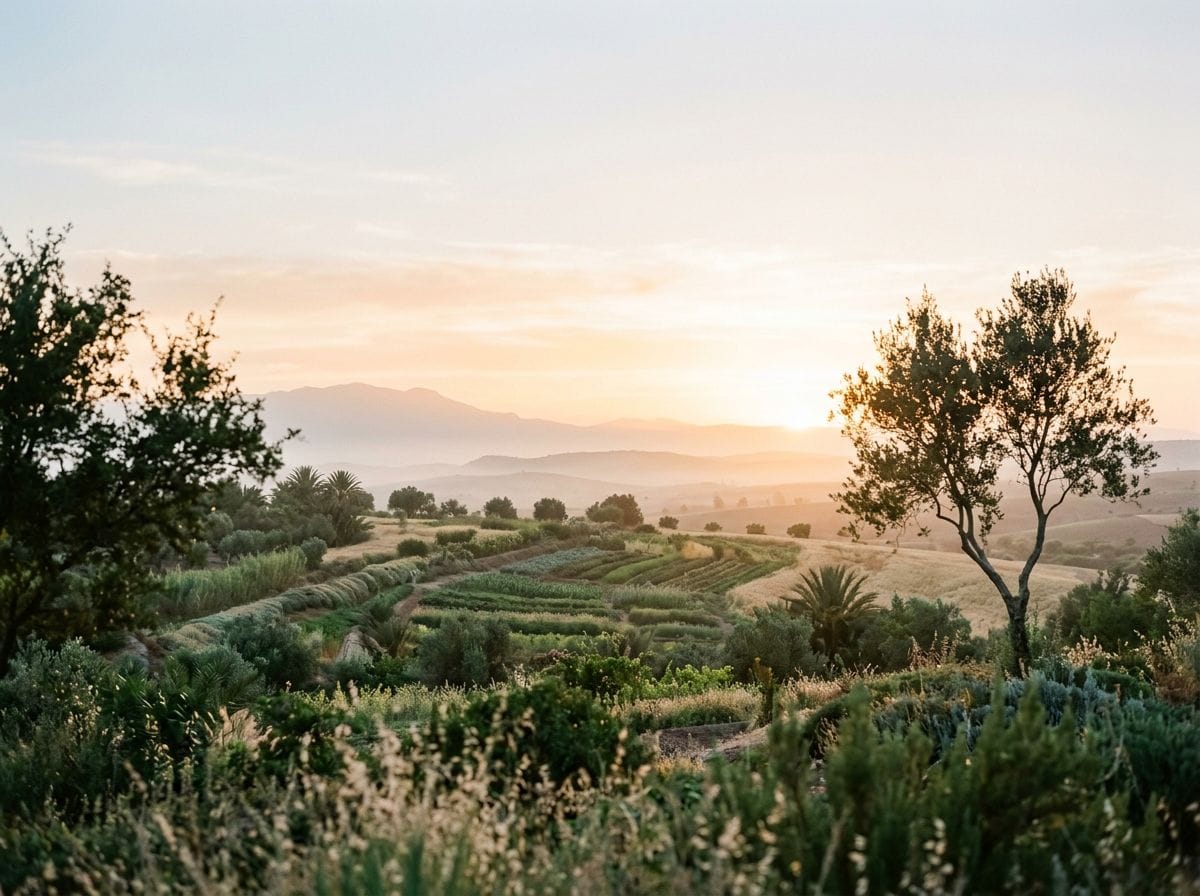
Embracing Permaculture for a Biodiverse Future
By embracing permaculture, we nurture the land and cultivate a future rich in biodiversity, where communities thrive in harmony with nature. It's crucial to support and engage in permaculture initiatives to enhance biodiversity. Consider taking action—whether through community projects or personal gardens—to contribute to a thriving ecosystem.