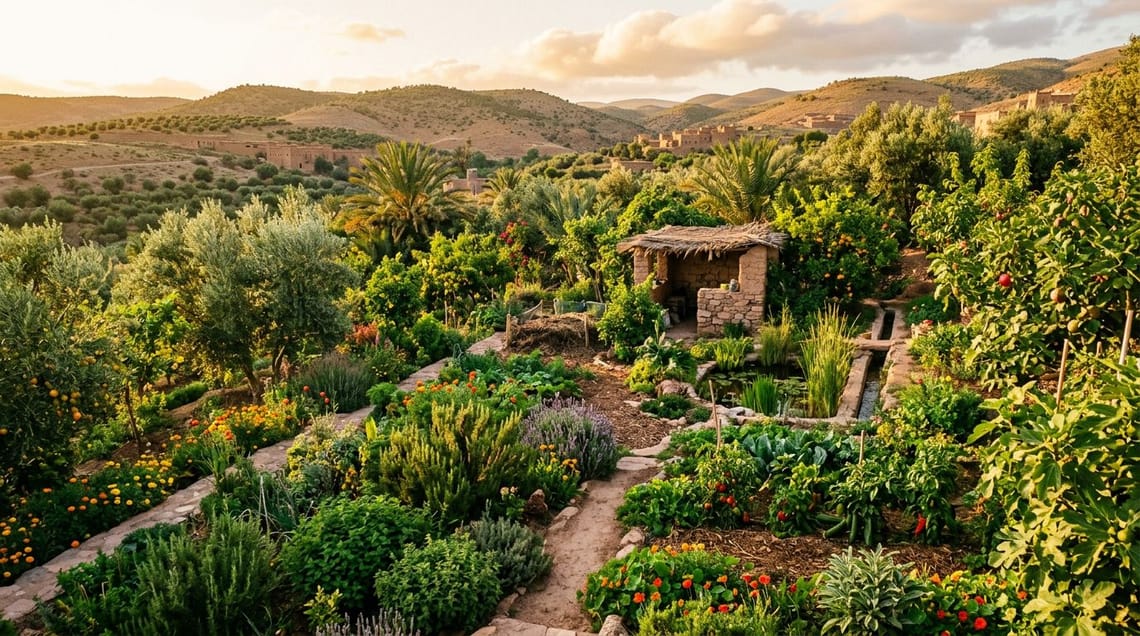
Amid the bustling streets of Morocco's cities, a green revolution is quietly taking root. Community permaculture gardens are transforming more than just soil—they're cultivating social bonds and resilience. At the heart of these gardens lie the principles of permaculture: earth care, people care, and fair share. These principles are not only nurturing vegetables but are also turning neighborhoods into vibrant communities.
In urban centers like Marrakech and Fes, these gardens are essential lifelines for local food systems. Fresh produce is often scarce in these areas, making the gardens invaluable. They provide a direct solution to the reliance on imported goods, while fostering a sense of ownership and community spirit among residents.
Building Community Through Permaculture Gardens
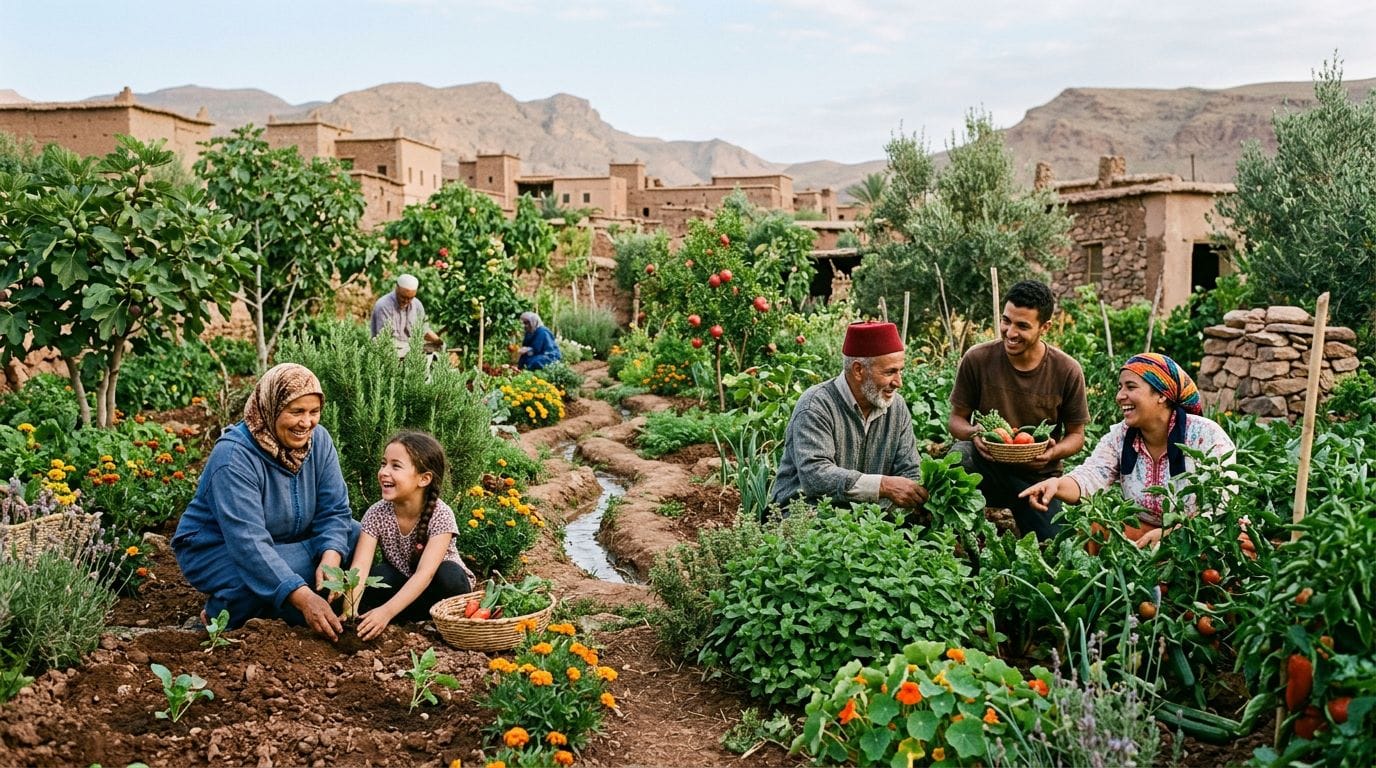
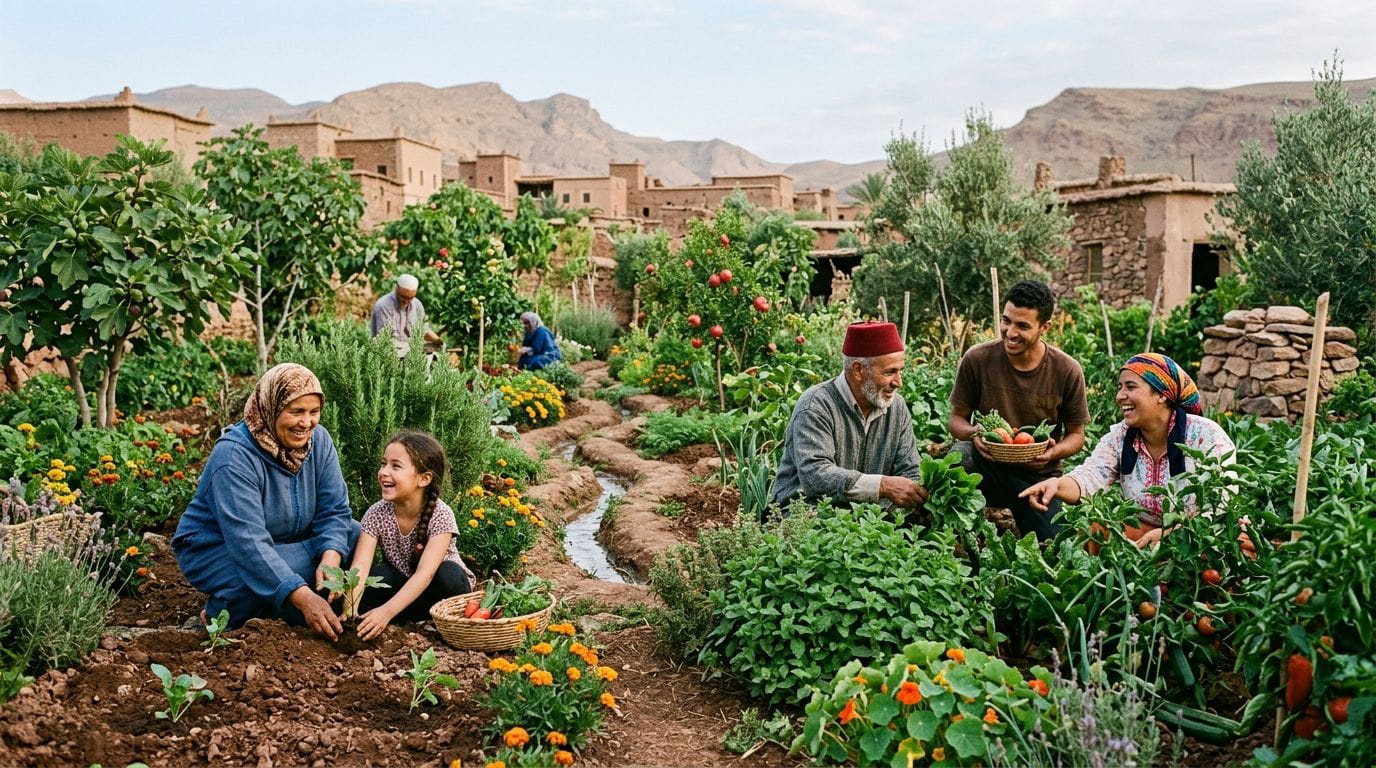
Permaculture gardens in Morocco are deeply rooted in the idea of community. These gardens provide a gathering place where neighbors can connect over shared interests and goals. The act of gardening becomes a social activity, where stories are exchanged as easily as seeds.
In Rabat, for example, a small garden initiative has blossomed into a community hub where residents of all ages participate. Local food systems here are strengthened as residents learn to grow their own produce, reducing food miles and creating a more sustainable urban environment.
Successful Permaculture Gardens in Moroccan Cities
In Marrakech, the permaculture garden at Le Jardin Secret offers a glimpse into how urban spaces can be transformed. Once an underutilized area, it now serves as a lush garden where visitors and locals alike can learn about sustainable agriculture.
Meanwhile, in Fes, the community garden at the city's edge has become a beacon of hope for many. Residents speak of the pride they feel in their contributions and the joy of seeing their hard work result in fresh, healthy produce. Ahmed, a local gardener, shares, "This garden is our little paradise, where we find peace and purpose."
Enhancing Community Resilience and Food Access
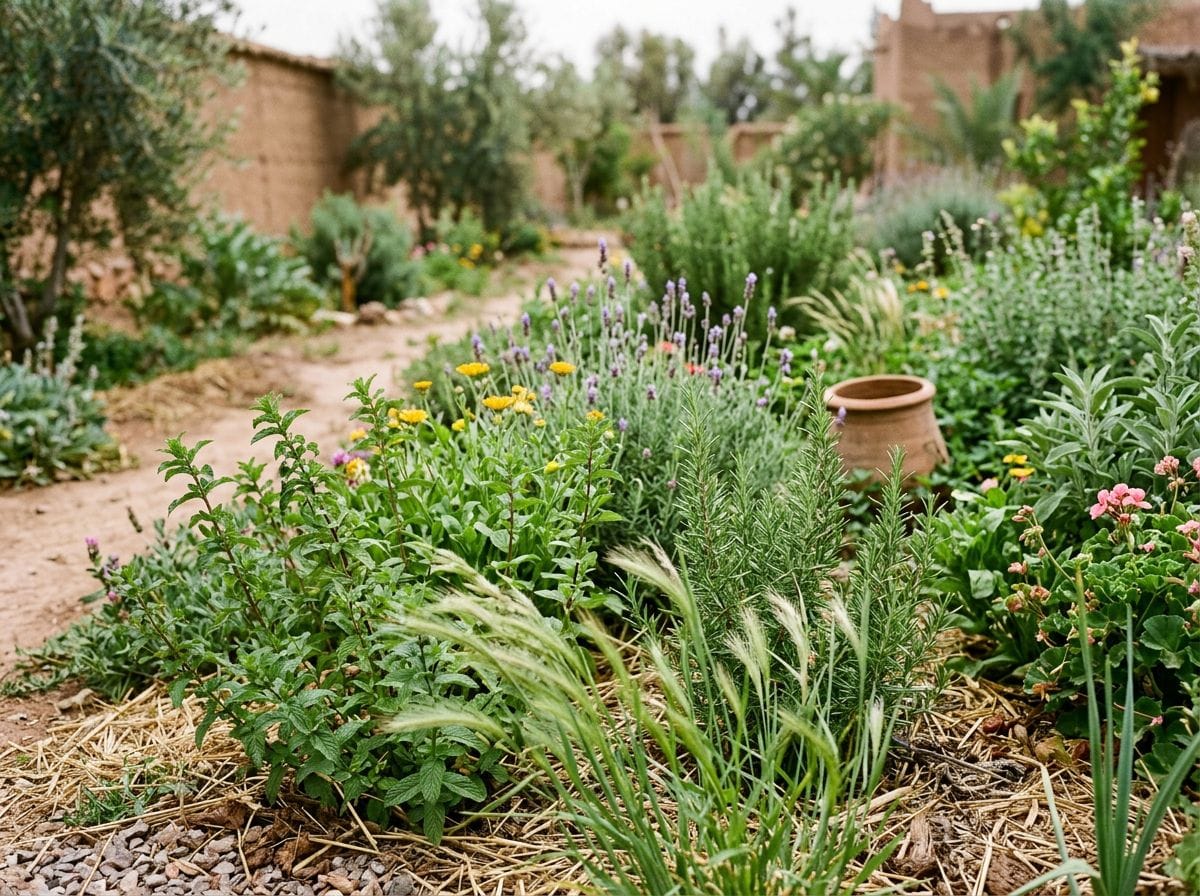
Permaculture gardens are pivotal in enhancing community resilience. By employing permaculture design, these gardens ensure that food security is attainable even during challenging times. The use of local plants is crucial. Not only do they thrive in the Moroccan climate, but they also require fewer resources, making them ideal for sustainable agriculture practices.
The long-term benefits of these gardens extend beyond food. They are spaces of learning and growth, where community members engage in sustainable practices and develop resilience against economic and environmental challenges.
Empowering Residents Through Workshops and Training
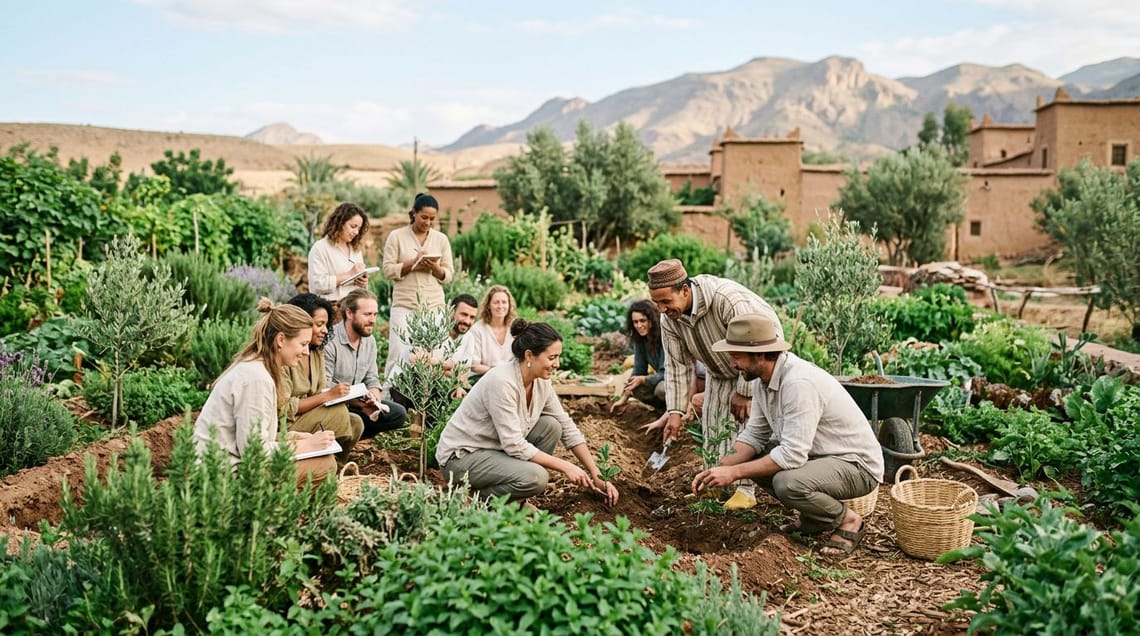
Education is a cornerstone of the community gardens in Morocco. Regular workshops and training sessions are held, teaching residents everything from basic gardening techniques to advanced permaculture design.
In Casablanca, one garden has partnered with local schools to introduce children to gardening. This initiative not only educates the younger generation but also instills a sense of responsibility and connection to the environment. The ripple effect of this knowledge sharing is evident as more residents join the movement, bringing new skills and fresh ideas to the gardens.
Integrating Local Plants in Permaculture Design
Local plants play a vital role in Moroccan permaculture gardens. Indigenous species like the Argan tree and Barbary fig are not only well-suited to the climate but also hold cultural significance. These plants enhance biodiversity and provide critical ecosystem services, such as soil enrichment and habitat for native wildlife.
Incorporating these plants into permaculture design not only benefits the environment but also connects the community to its cultural heritage. Visitors to these gardens often find themselves learning about the rich tapestry of Moroccan flora, deepening their appreciation for both the land and its history.
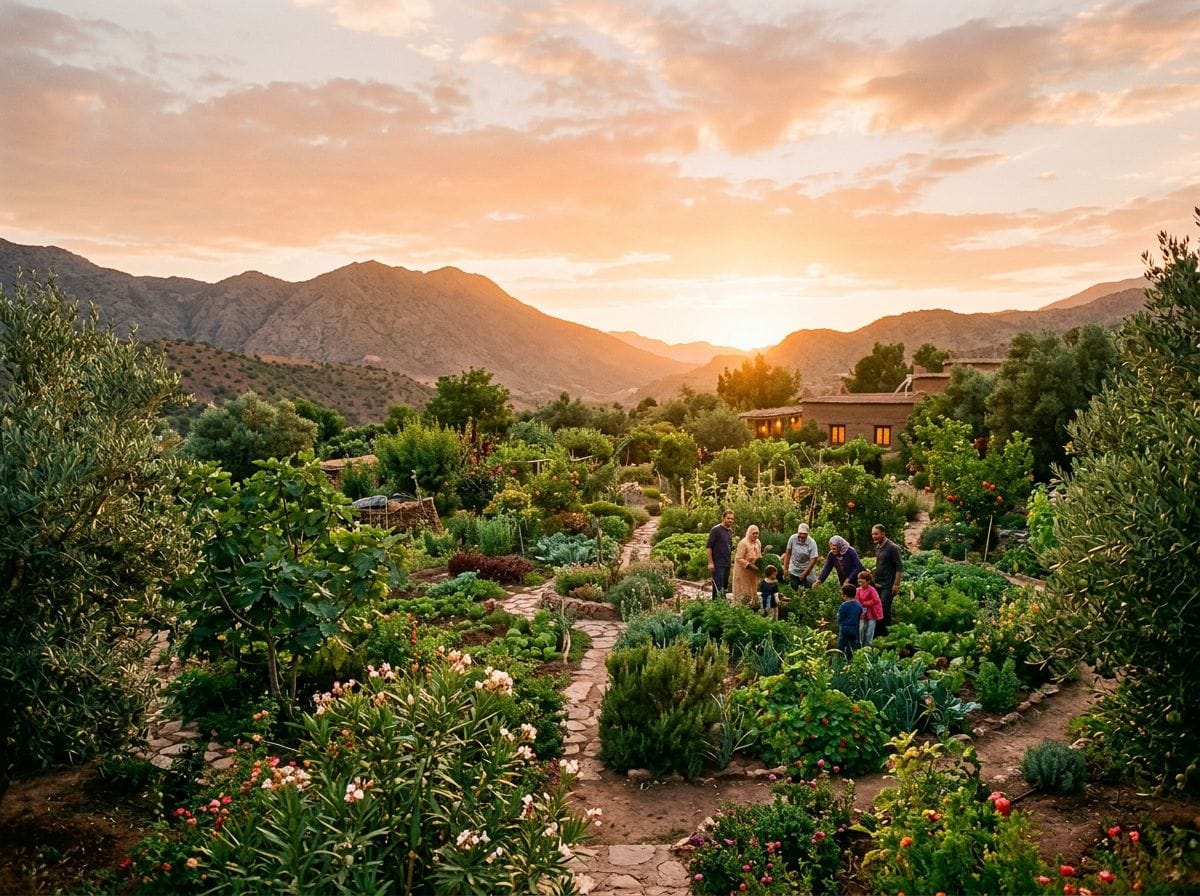
As the sun sets over a Moroccan community garden, it casts a hopeful glow that symbolizes growth and connection. These gardens are more than just spaces for sustainable agriculture; they are vital community resources that foster resilience, enhance food access, and strengthen social ties. In the bustling cities of Morocco, permaculture gardens stand as a testament to the power of community and the potential for a sustainable future. Consider visiting or supporting a local permaculture garden to witness this transformative power firsthand.