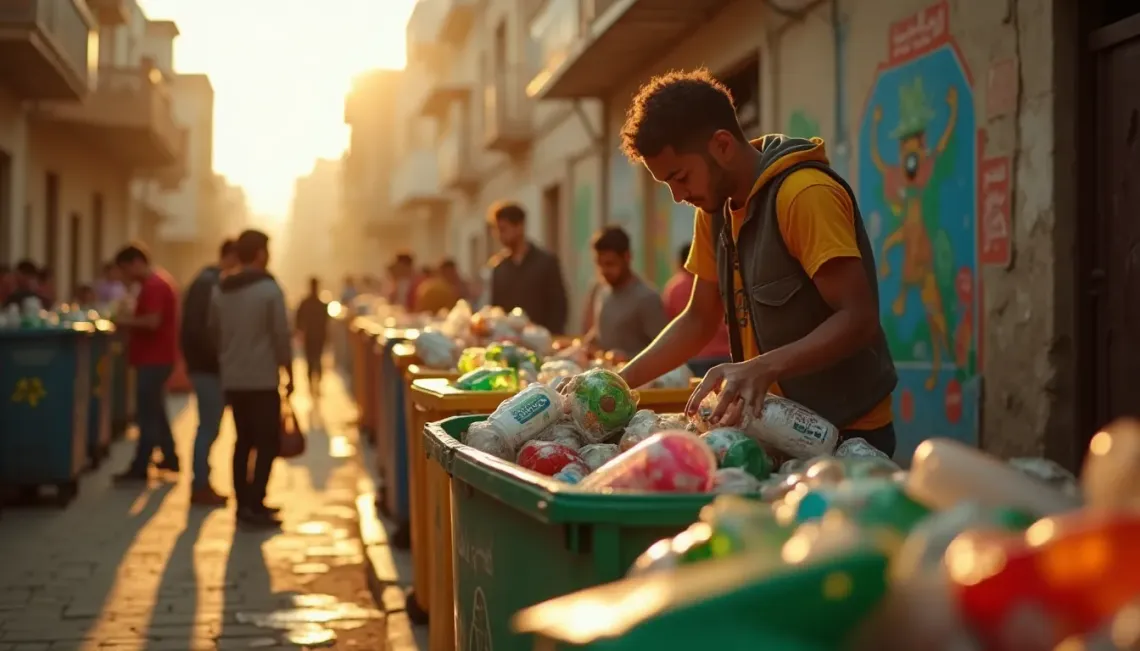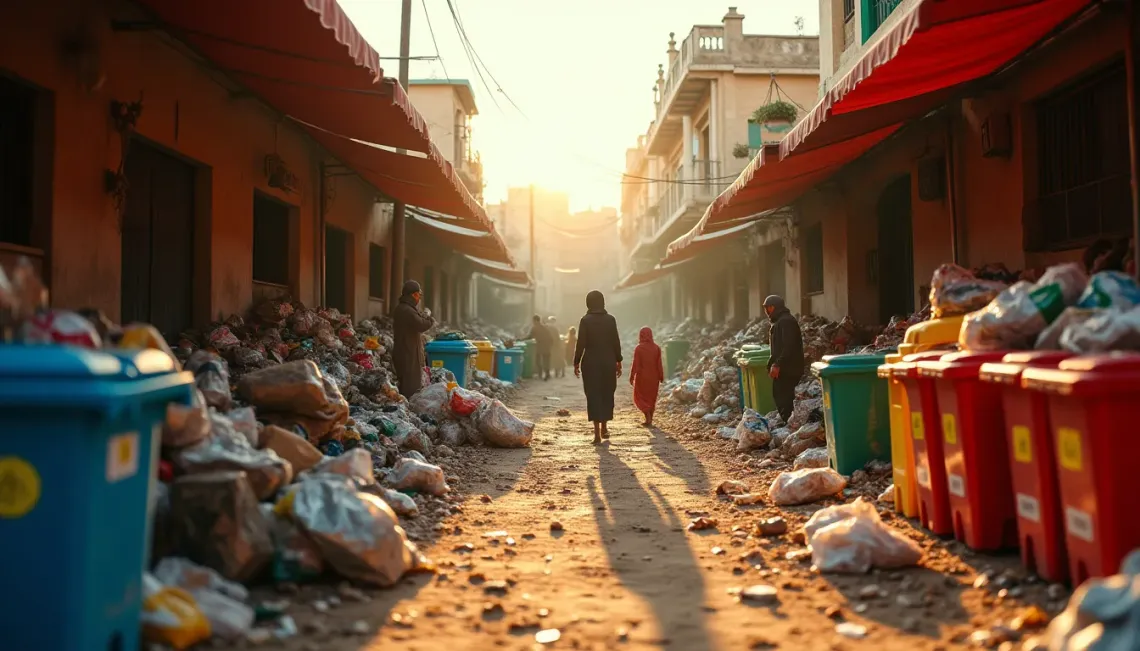

As the world increasingly recognizes the importance of sustainability, recycling in Morocco has emerged as a beacon of hope in the realm of waste management. This burgeoning movement not only addresses crucial environmental impact issues but is also transforming communities by promoting sustainable living practices. Here is an insightful look into how this North African country is paving the way for a greener future.
The Rise of Recycling in Morocco
In recent years, Morocco has made significant strides in improving its waste management systems, turning challenges into opportunities. Recycling in Morocco has gained momentum due to a combination of government initiatives, private sector involvement, and grassroots efforts. The result is a comprehensive approach that tackles waste from multiple angles.
Government Initiatives
The Moroccan government has been instrumental in establishing sustainable policies and frameworks. Initiatives such as the "Green Morocco Plan" aim to foster environmental impact awareness across the nation, encouraging citizens to embrace recycling as a vital part of sustainable living. These efforts are supported by legislation that incentivizes waste reduction and recycling activities.
Private Sector Contributions
The private sector has also played a crucial role in propelling the recycling movement. Companies specializing in waste management are increasingly investing in advanced recycling technologies and processes. Their efforts do not only focus on profitability but also emphasize corporate social responsibility, aiming to bring about meaningful change in local communities.
Recycling Benefits for Local Communities
The impact of recycling extends far beyond environmental considerations. It significantly influences social and economic aspects, improving lives across various communities in Morocco. Here’s how:
- Job Creation: The recycling sector has generated numerous employment opportunities, providing jobs for thousands in sorting, collection, and processing facilities.
- Reduction in Poverty: By involving marginalized groups in recycling initiatives, the country is gradually alleviating poverty and enhancing the quality of life.
- Community Empowerment: Educational programs and workshops foster awareness and engagement, empowering citizens with knowledge and skills to embrace sustainable lifestyles.
Challenges and Future Prospects
Despite these successes, challenges remain, including the need for better infrastructure and increased public participation. However, with continued dedication to improving waste management systems, Morocco is well on its way to setting an example for other nations.
Looking forward, embracing technology and enhancing collaboration between government sectors, private enterprises, and citizens will be pivotal. Such efforts could help Morocco achieve its vision of a circular economy driven by recycling benefits and sustainable development.
As Morocco continues to innovate in waste management, the global spotlight on its efforts underscores the significant environmental impact these changes bring about. Through strategic planning and community involvement, recycling in Morocco not only safeguards natural resources but also nurtures an empowered, informed, and sustainable society. Embracing the motto "Waste Not, Want Not," Morocco’s blueprint is a testament to transformation, paving a path to a more sustainable world.