In the bustling streets of Casablanca, an artist sifts through piles of discarded metal, envisioning the potential for beauty in what others see as waste. This is the heart of a burgeoning movement in Morocco, where artists are transforming trash into treasure. Through the lens of recycling art, they are not only crafting stunning visual pieces but also weaving a narrative of sustainability and innovation in a country facing significant environmental challenges.
The Rise of Recycling Art in Morocco
Morocco faces significant environmental concerns, from urban waste management issues to the pressing need for sustainable practices in its rapidly growing cities like Casablanca and Marrakech. In response, artists are pioneering the recycling art movement, using their craft to address these challenges head-on. Recycling art is more than just a trend; it's a cultural statement, deeply rooted in the Moroccan tradition of resourcefulness and innovation.
Profiles of Visionary Artists
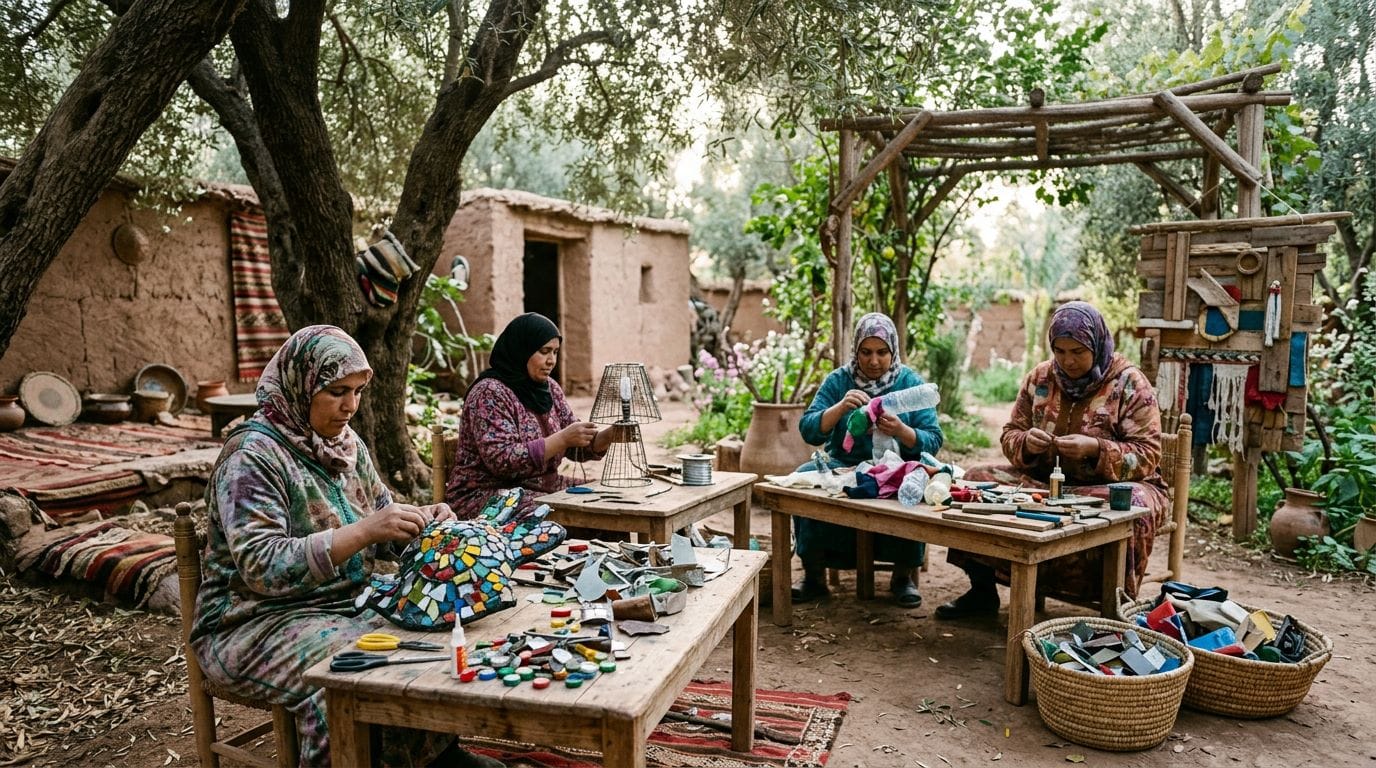
Meet some of the trailblazers in Morocco's recycling art scene. Among them is Hassan Darsi, known for his large-scale installations made entirely from salvaged materials. His work not only transforms urban landscapes but also engages local communities in conversations about sustainability. Another standout is Fatiha Zemmouri, whose intricate sculptures crafted from recycled metals and plastics have won international acclaim. These artists, and many others, are reshaping the art world by infusing it with the ethos of sustainability.
These creators hail from diverse backgrounds, each bringing unique perspectives and motivations to their work. For many, the drive to use recycled materials stems from a personal commitment to environmental stewardship and a desire to inspire change within their communities. Their art not only beautifies spaces but also serves as a catalyst for social and cultural dialogue.
Innovative Artworks and Installations
Moroccan artists are pushing the boundaries of what can be achieved with recycled materials. In Rabat, a collective known as 'Upcycle Morocco' has turned an abandoned warehouse into a gallery filled with stunning art installations. One of their most notable pieces is a series of suspended sculptures created from discarded car parts, each telling a story of transformation and renewal.
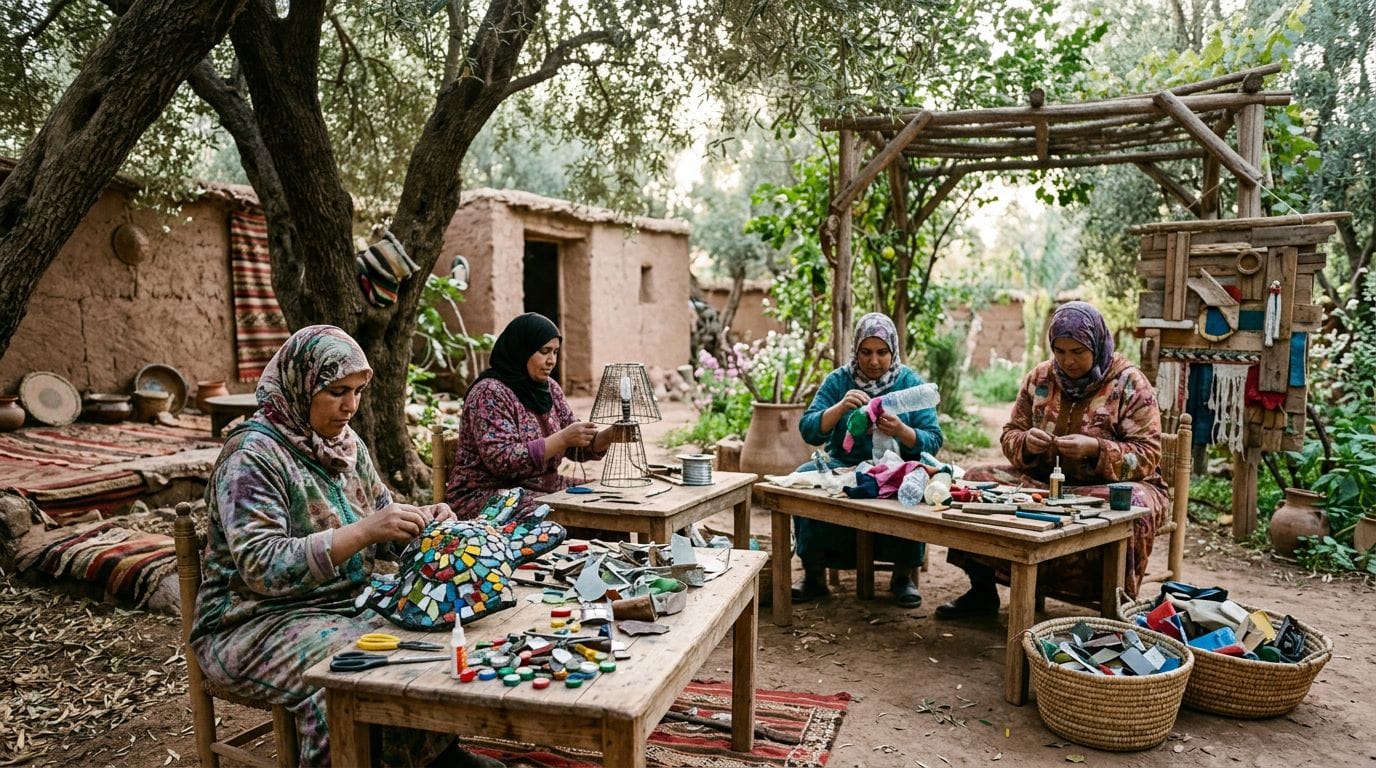
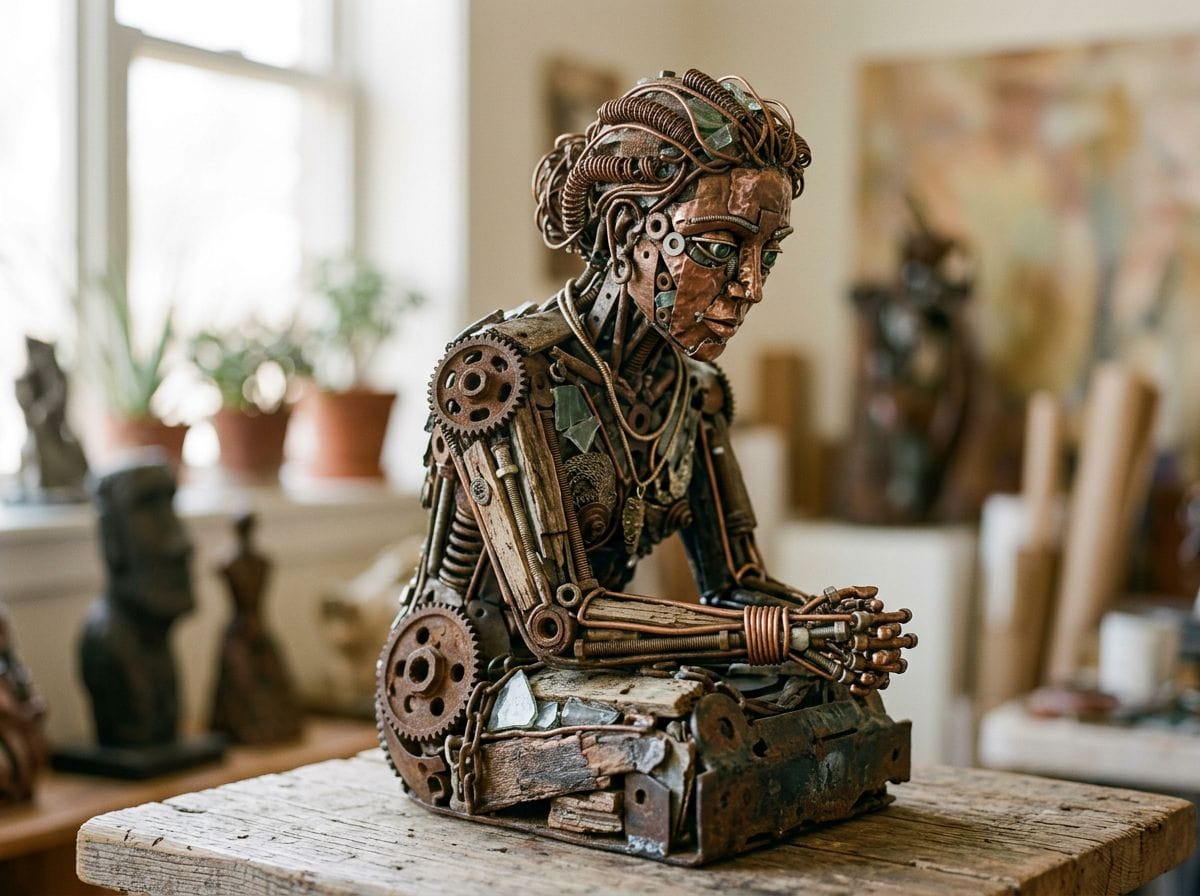
Artists employ a variety of techniques to bring these materials to life. Some use traditional methods like weaving and metalwork, while others experiment with new technologies to repurpose items once considered useless. The themes explored in these works often reflect the artists' concerns about consumerism, environmental degradation, and the beauty that can be found in the discarded.
Community Engagement and Cultural Dialogue
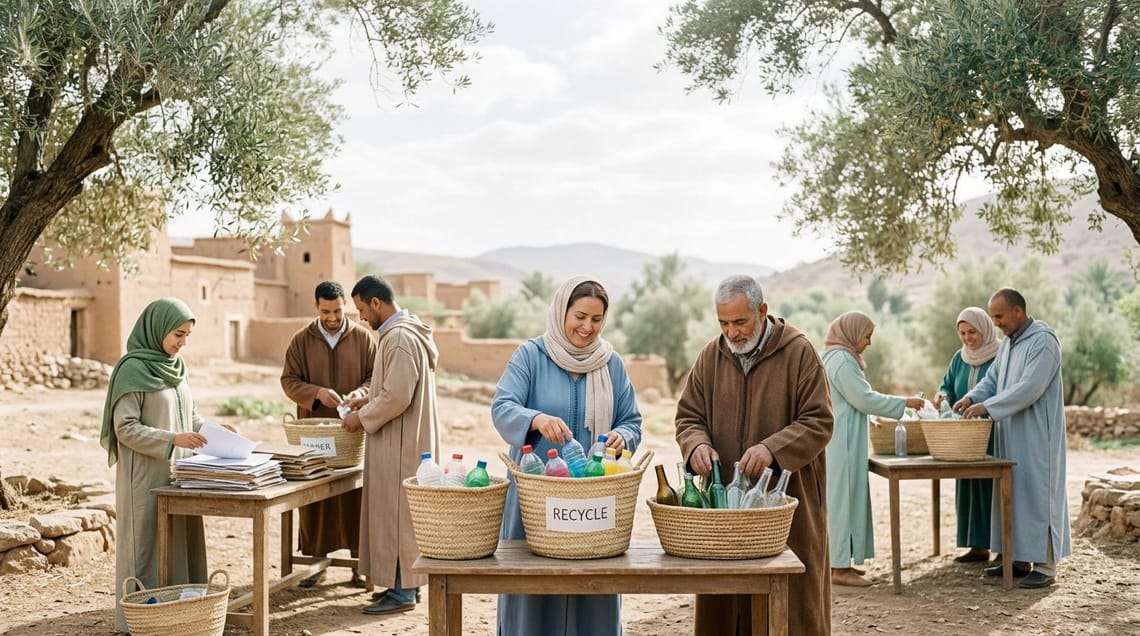
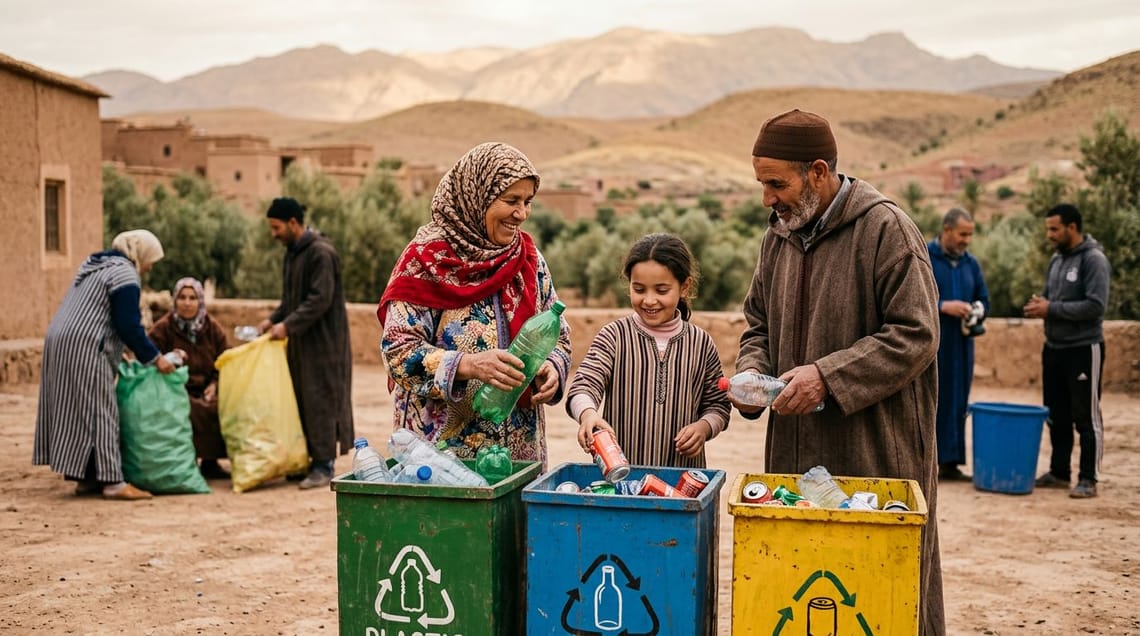
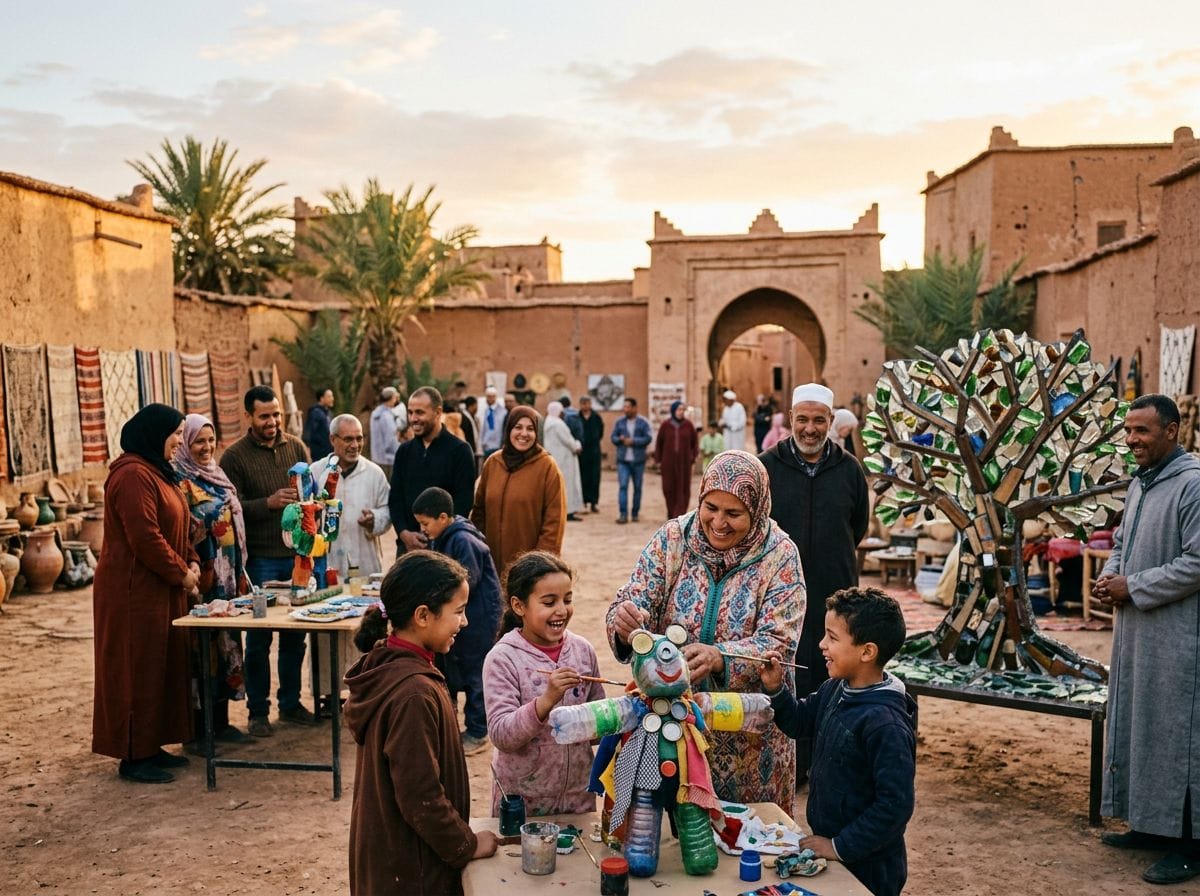
Art in Morocco is not just an individual pursuit; it serves as a bridge, connecting people and fostering community engagement. Recycling art has become a focal point for events and workshops, where artists collaborate with local residents to create public art pieces. These gatherings often involve hands-on activities, educating participants on the importance of recycling and sustainability.
In cities like Tangier, art festivals dedicated to upcycled art offer a platform for artists to showcase their work and engage with the public. These events spark important conversations about sustainability and encourage a collective responsibility towards the environment. Through these initiatives, art becomes a powerful tool for cultural dialogue, promoting awareness and action in a visually impactful way.
Challenges and Inspirations in the Creative Process
Creating art from recycled materials comes with its own set of challenges. Artists like Zineb Andress Arraki, who works extensively with textiles and plastics, often face difficulties in sourcing consistent materials and securing funding for their projects. Despite these hurdles, the artists remain undeterred, drawing inspiration from the materials themselves and the stories they tell.
Interviews with these artists reveal a shared resilience and a commitment to innovation. They speak of the joy found in transforming something neglected into a piece of beauty and significance. This process of creation not only enriches their artistic practice but also reinforces their role as advocates for sustainable living.
The Future of Recycling Art in Morocco
The future of recycling art in Morocco looks promising, with new trends emerging and a growing interest in sustainable practices. As more artists and communities engage with this movement, the potential for growth is immense. This art form is poised to influence future generations, encouraging them to see beauty in sustainability and to consider the environmental impact of their choices.
For those inspired by these stories, supporting local artists and attending exhibitions are meaningful ways to contribute to this vibrant movement. By valuing and promoting recycling art, we can all play a part in nurturing a more sustainable and creative future for Morocco and beyond.