Amid the bustling souks of Marrakech and the serene stretches of the Atlas Mountains, a quiet revolution is underway in Morocco. Here, recycling education is not just a classroom topic but a vibrant, community-driven movement. In a country where tradition meets modernity, schools and neighborhoods are joining forces to cultivate a culture of sustainability. This grassroots approach is crucial as environmental challenges mount, demanding innovative solutions that resonate with local communities.
Why Recycling Education Matters in Moroccan Schools
Morocco grapples with pressing environmental issues, from managing urban waste to tackling rural plastic pollution. Schools stand at the forefront of this battle, shaping a generation that is not only environmentally conscious but also proactive. Education here goes beyond textbooks; it's about instilling a sense of responsibility and empowerment in young minds. As future stewards of the planet, children must grasp the urgency of recycling and sustainability.
Innovative School Recycling Programs Across Morocco
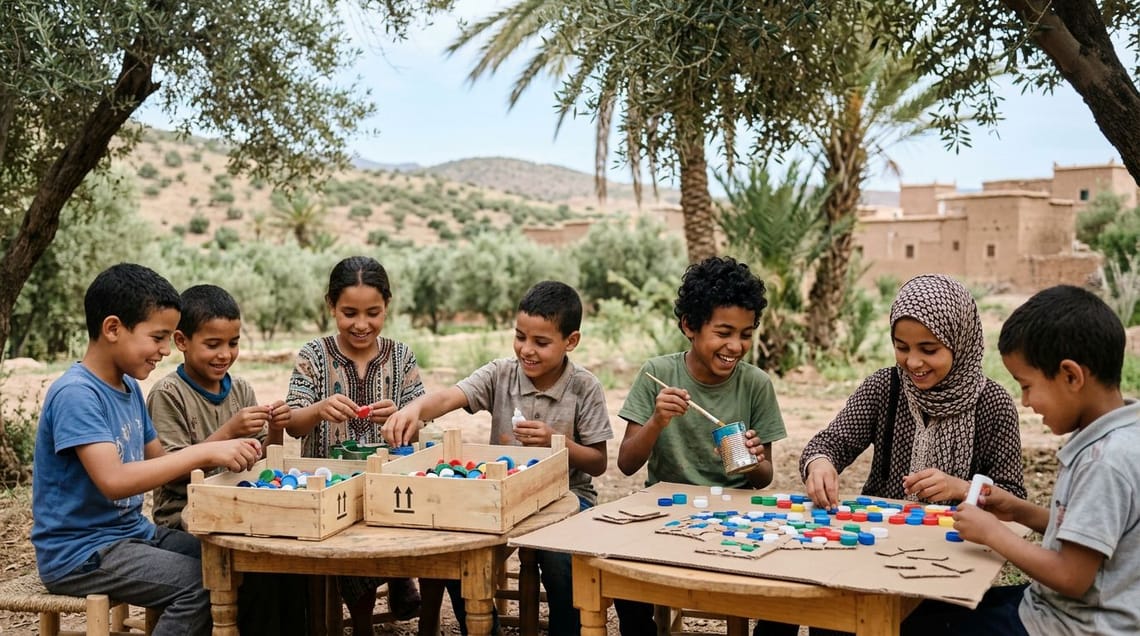
Across Morocco, schools are transforming recycling education into a dynamic and impactful experience. In Marrakech, a bustling city known for its vibrant souks, a local school has engaged students in a program where they creatively reuse materials to craft art projects. This initiative not only educates but also inspires creativity and environmental stewardship.
In the Atlas Mountains, a small rural school has partnered with local artisans to turn recyclables into marketable goods, providing both economic and environmental benefits. These programs have shown promising results, with students exhibiting increased environmental consciousness and communities experiencing heightened awareness.
Engaging Families in Children's Recycling Initiatives
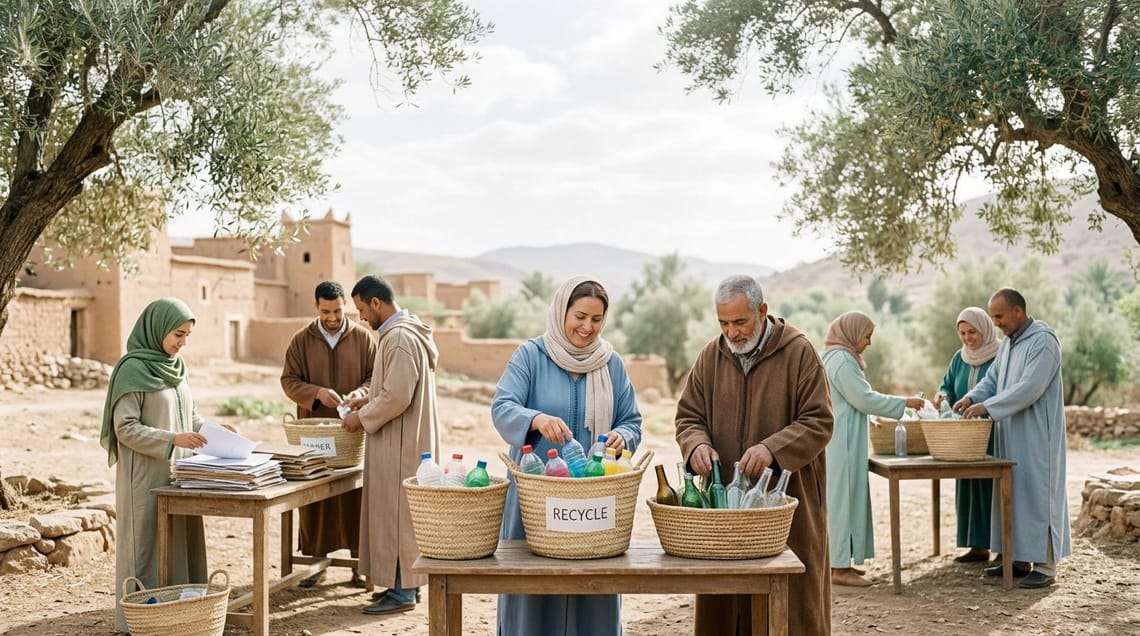
Recycling education doesn’t end at the school gate. It's essential to engage families, creating a ripple effect that extends throughout the community. Schools can organize workshops where parents and children learn together, fostering a shared commitment to sustainability. Community recycling days, where families come together to collect and sort waste, have proven effective in several Moroccan towns.
Local ownership in sustainability practices is crucial. When families see the tangible benefits of recycling—like cleaner neighborhoods and reduced waste—they're more likely to participate actively.
Building Local Partnerships for Effective Recycling Education
Collaboration is key. By partnering with NGOs and community groups, schools can amplify their recycling education efforts. In Rabat, a successful partnership between a local school and an environmental NGO has led to the development of a comprehensive recycling curriculum. This collaboration not only provides resources but also brings expertise from various fields, enriching the educational experience.
Such partnerships have numerous benefits, including shared resources, enhanced program visibility, and greater community engagement. When schools and local organizations unite, the impact is profound, creating a unified front against waste.
Resources for Teachers to Create Effective Recycling Curriculums
Equipping teachers with the right tools and resources is fundamental. In Morocco, teachers can access a wealth of online resources, including lesson plans and interactive modules tailored to different age groups. Innovative teaching methods, such as project-based learning and field trips to recycling plants, can make the subject more engaging and relatable.
Incorporating local context into the curriculum is also crucial. By using examples from students' surroundings, teachers can create a more meaningful learning experience that resonates with their daily lives and immediate environment.
As the sun sets over Morocco's diverse landscapes, it symbolizes the hope for a sustainable future—a future shaped by the collective efforts of schools, communities, and families. By fostering a culture of recycling education through community involvement and innovative school programs, Morocco can pave the way for a cleaner, greener tomorrow. Join the movement by reaching out to local schools or community groups to see how you can contribute to this vital cause.