Amidst the sun-baked terrain of Morocco, where the Atlas Mountains meet the Sahara Desert, water is a lifeline. In this arid climate, where less than 700 cubic meters of water is available per person each year, managing this precious resource is a daunting task. As climate change exacerbates these conditions, the need for effective water management practices becomes not just a necessity but a matter of survival for Moroccan communities.
What Drives Water Scarcity in Morocco?
Morocco's unique geography and climate are at the heart of its water scarcity challenges. The imposing Atlas Mountains and the expansive Sahara create environments that are as diverse as they are demanding. With rainfall that is both sparse and unpredictable, the country faces frequent droughts, which are only intensified by the impacts of climate change. This scarcity affects not just economic growth but also the cultural practices deeply tied to water availability.
Community-Led Rainwater Harvesting Success Stories
Across Morocco, communities are embracing rainwater harvesting as a practical response to water scarcity. In the rural village of Ait Baamrane, local initiatives have led to the construction of simple yet effective rainwater collection systems. Supported by NGOs, these systems use rooftop collection and underground cisterns to capture and store rainwater. Urban centers like Casablanca are also adopting these systems, showcasing their adaptability and success.
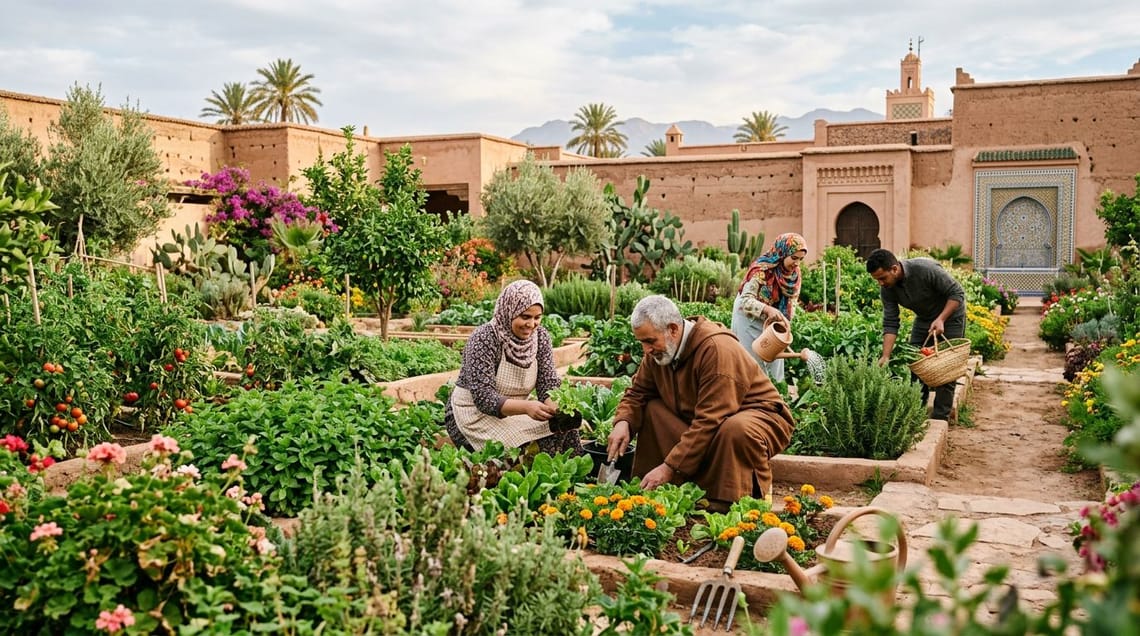
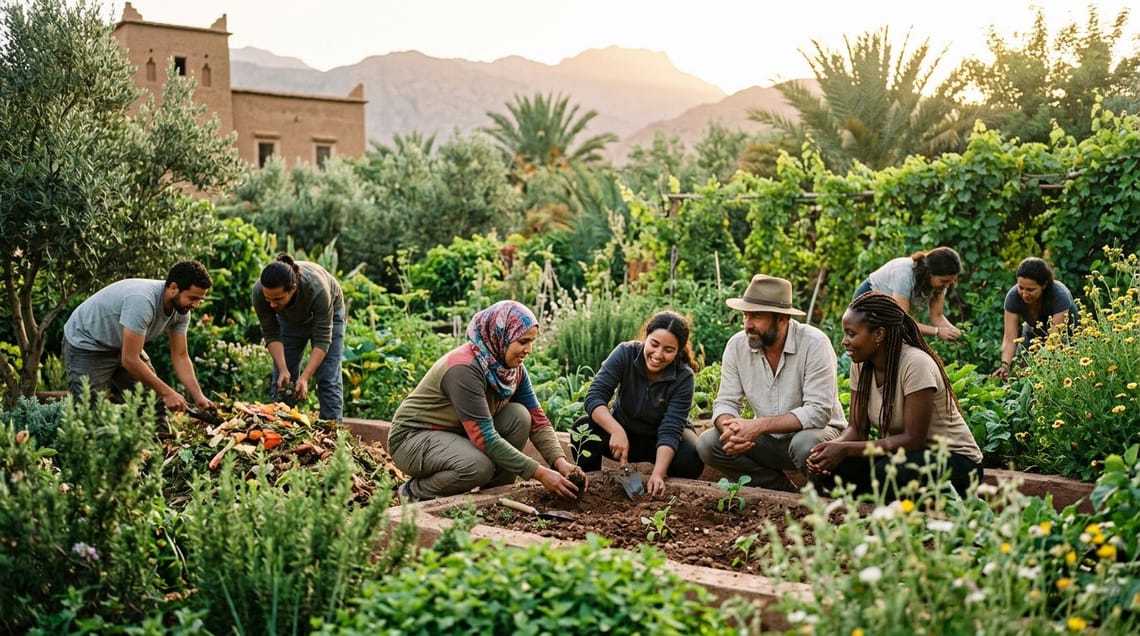
Community involvement is crucial to these projects. Villagers engage in workshops to learn about water conservation and system maintenance, leading to improved water availability for households and agriculture, and reducing reliance on unpredictable natural sources.
Innovative Irrigation Transforming Moroccan Agriculture
Agriculture, the backbone of Morocco's economy, is the largest consumer of the nation's water resources. To enhance efficiency, farmers are turning to innovative irrigation techniques. Traditional flood irrigation is giving way to drip irrigation, which delivers water directly to plant roots, significantly reducing evaporation and runoff.
In regions like Souss-Massa, farmers have reported increased crop yields and decreased water usage thanks to drip irrigation. These successes underscore the transformative potential of modern techniques in Moroccan agriculture, supported by training programs that empower farmers with the skills needed to implement these systems effectively.
Urban Water Recycling: A New Frontier
In bustling cities like Marrakech and Rabat, water recycling is becoming a cornerstone of urban sustainability. By treating and reusing wastewater, these cities are transforming waste into a valuable resource, providing water for landscaping and industrial purposes, and alleviating pressure on freshwater supplies.
Despite challenges such as initial costs and public perception, urban planning initiatives are focusing on community education and infrastructure development to support these systems. The benefits are clear: reduced water waste and a more sustainable urban environment.
Reviving Ecosystems Through Sustainable Practices
Sustainable water management practices benefit not only humans but also the ecosystems that surround them. In areas where these practices are in place, local flora and fauna are witnessing a revival. Wetlands, once dried up, are being rejuvenated through careful water management, fostering biodiversity.
Community education is pivotal in this transformation. By understanding the ecological impacts of their actions, communities contribute to long-term environmental health, ensuring that future generations inherit a balanced relationship with nature, where water is cherished and used wisely.
As Moroccan communities continue to innovate and adapt, they set a powerful example of resilience and sustainability. Their efforts in water management not only mitigate scarcity but also offer hope for a future where resources are cherished and protected. To learn more about how you can support or implement similar practices, consider reaching out to local environmental organizations or participating in community workshops focused on sustainable water use.