Understanding Community Permaculture in Morocco
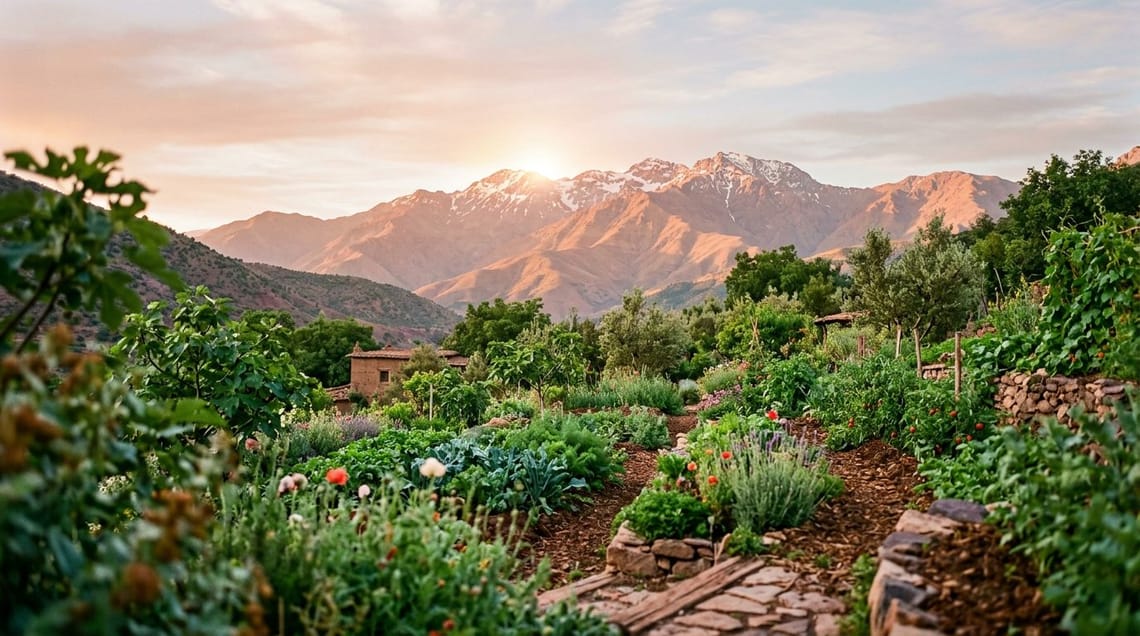
Amidst the dramatic landscapes of the Atlas Mountains and the sweeping Moroccan plains, a quiet revolution is taking root. It's a movement that draws from ancient agricultural traditions and modern sustainability practices, known as community permaculture. But what does permaculture truly entail? At its core, it's a philosophy that emulates the balance of natural ecosystems to cultivate self-sustaining agricultural systems.
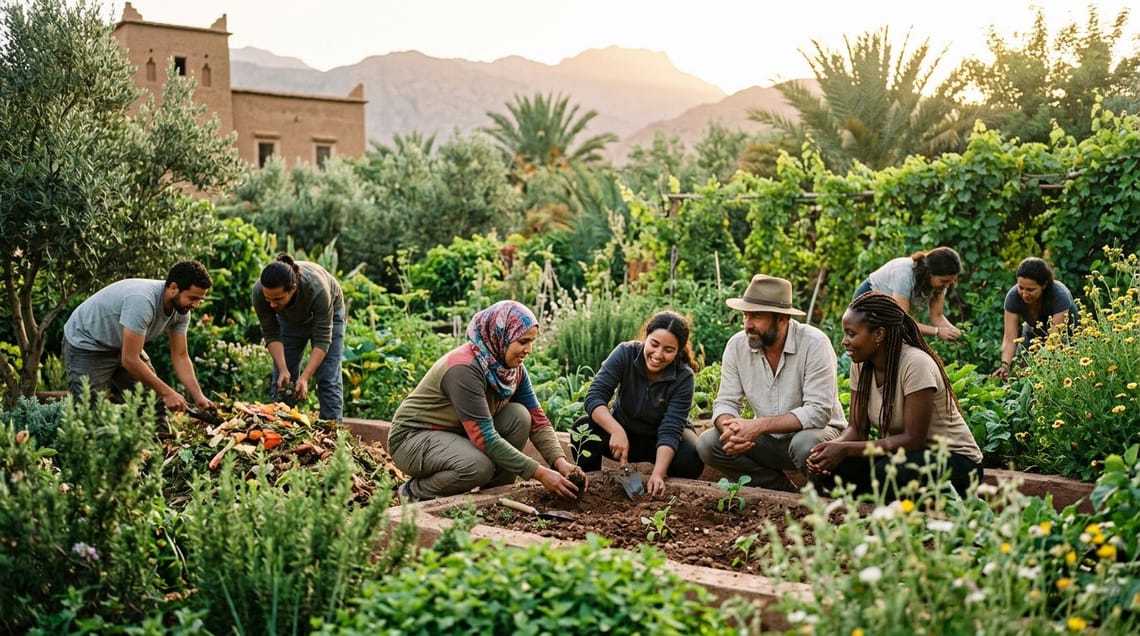
Across Morocco, a network of permaculture enthusiasts is weaving connections between rural communities, fostering a shared pool of knowledge and resources. These networks prioritize organic farming, innovative water management, and soil health—essential elements in a nation where agriculture is the lifeblood of rural areas. They present a sustainable alternative to the conventional methods that often exhaust the land.
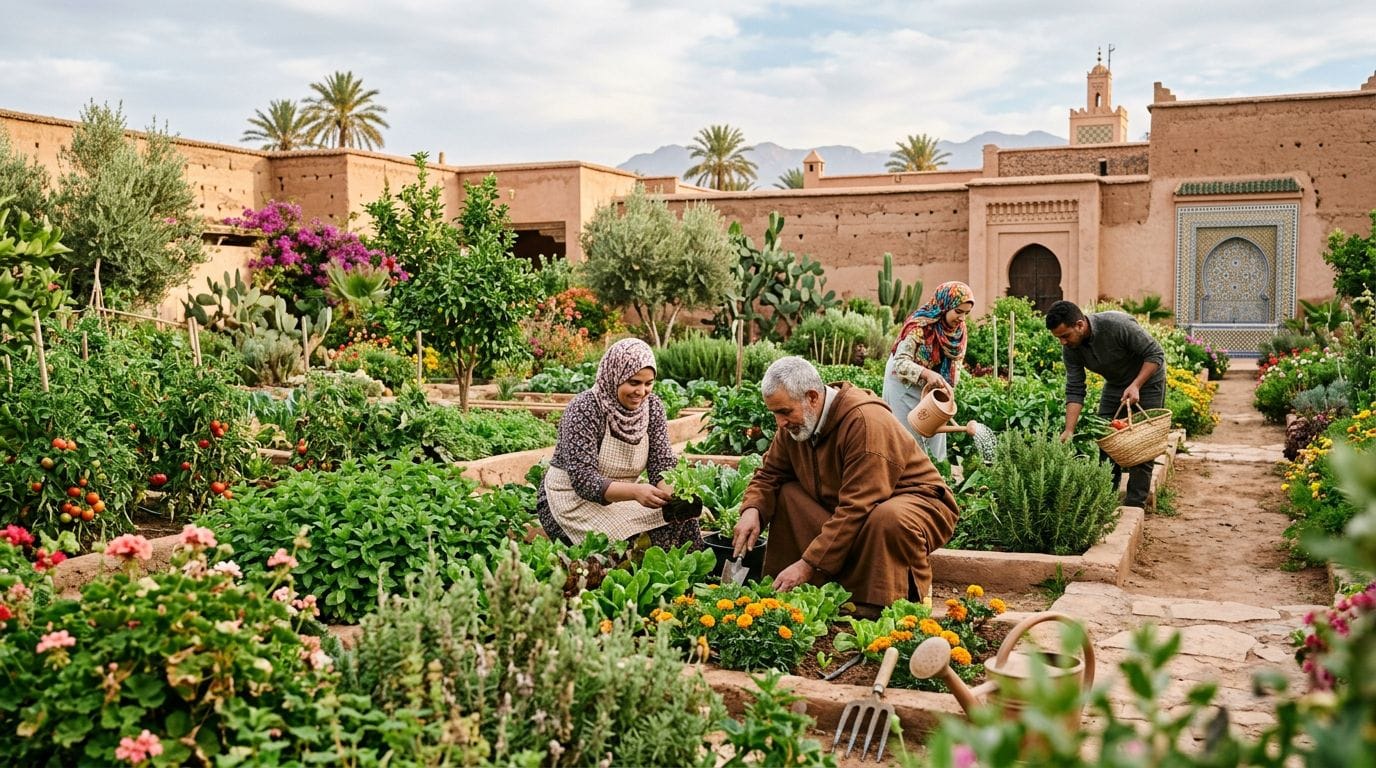
Community Permaculture: Boosting Local Food Security
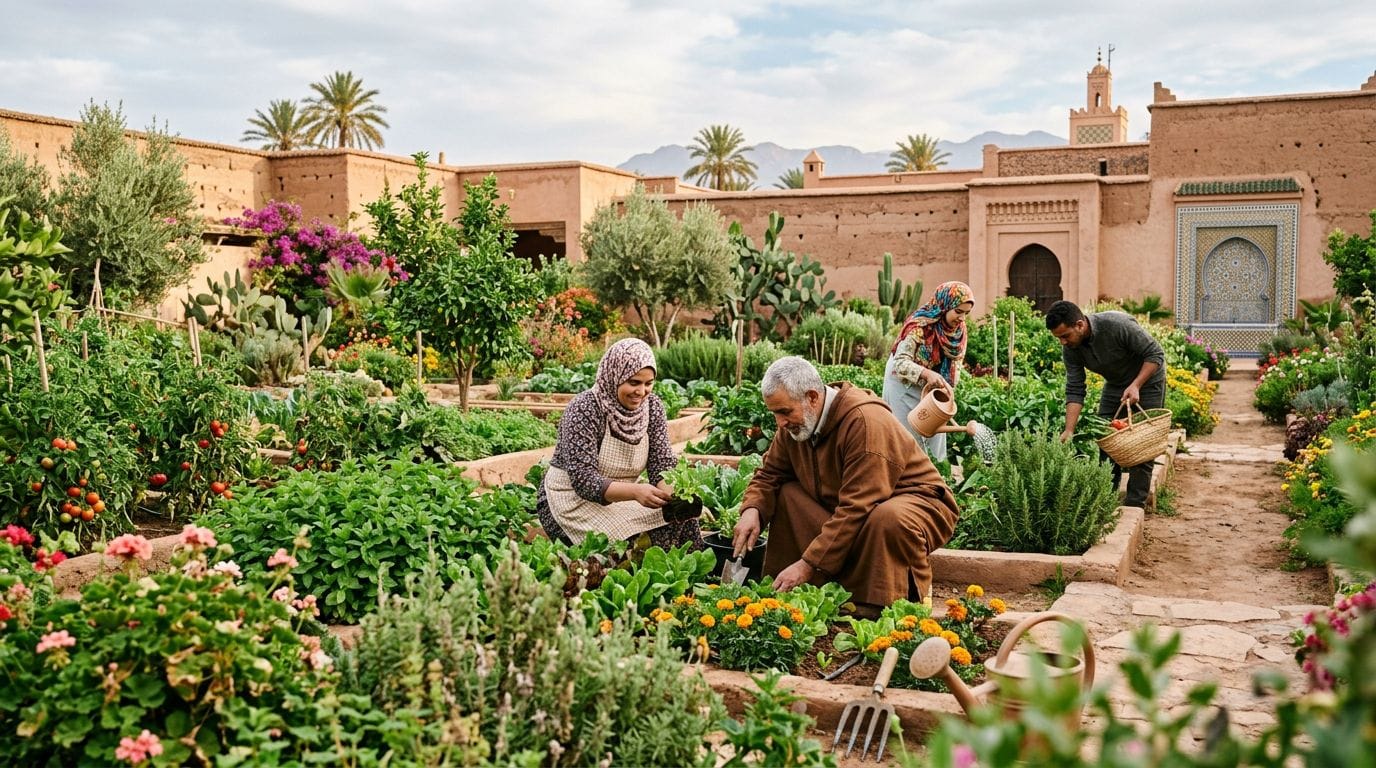
As global food security issues loom large, community permaculture in Morocco provides a beacon of hope. By integrating permaculture practices, Moroccan communities are boosting their food production and resilience. Techniques like crop rotation, polyculture, and composting enrich the soil, leading to healthier crops and increased yields.
One notable example is a small village near Essaouira, where farmers have reported a 30% increase in crop yields within two years of adopting permaculture techniques. This approach not only enhances food security but also promotes biodiversity, which is vital for sustainable agriculture. Biodiversity ensures a balance in ecosystems, reducing the need for chemical inputs and making crops more resilient to pests and diseases.
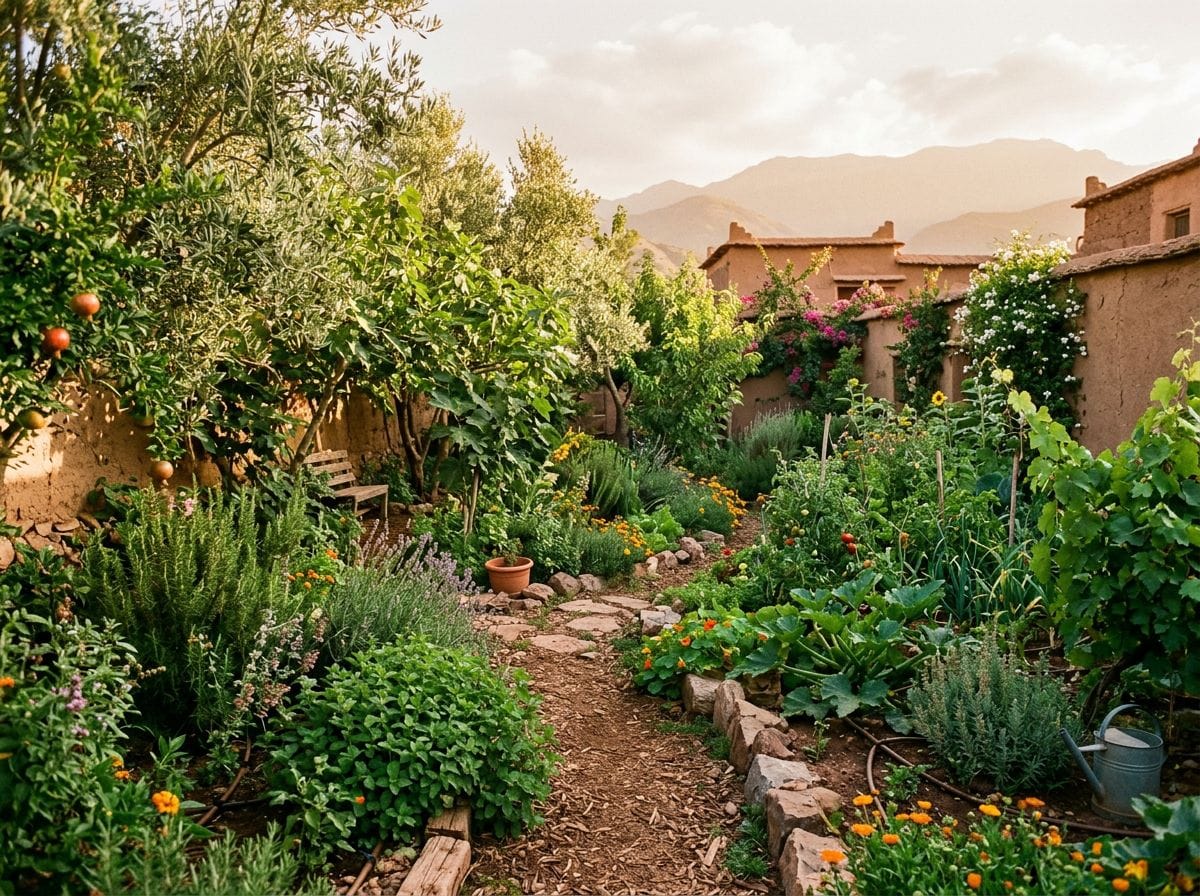
Real-Life Success Stories: Case Studies from Moroccan Permaculture Groups
Morocco is dotted with inspiring stories of permaculture success. In the rugged Rif Mountains, a collective of farmers transformed barren lands into productive gardens. Through workshops and community meetings, they shared techniques and built a network of support that has revitalized local economies. These initiatives have not only improved food supply but also empowered communities by creating jobs and fostering economic independence.
In the southern city of Agadir, a group of women launched a permaculture project that has become a model of community empowerment. By growing organic produce, they've created a cooperative that supplies local markets and schools, ensuring a steady income for their families. The lessons learned here—community collaboration, resource sharing, and sustainable practices—are replicable strategies for other regions.
How to Start a Permaculture Network in Your Area
Feeling inspired to start your own permaculture journey? Begin by gathering a group of like-minded individuals in your community. Host initial meetings to discuss shared goals and resources. Next, educate yourselves on permaculture principles through workshops or online resources. Start small—with a community garden or a school project—then gradually expand.
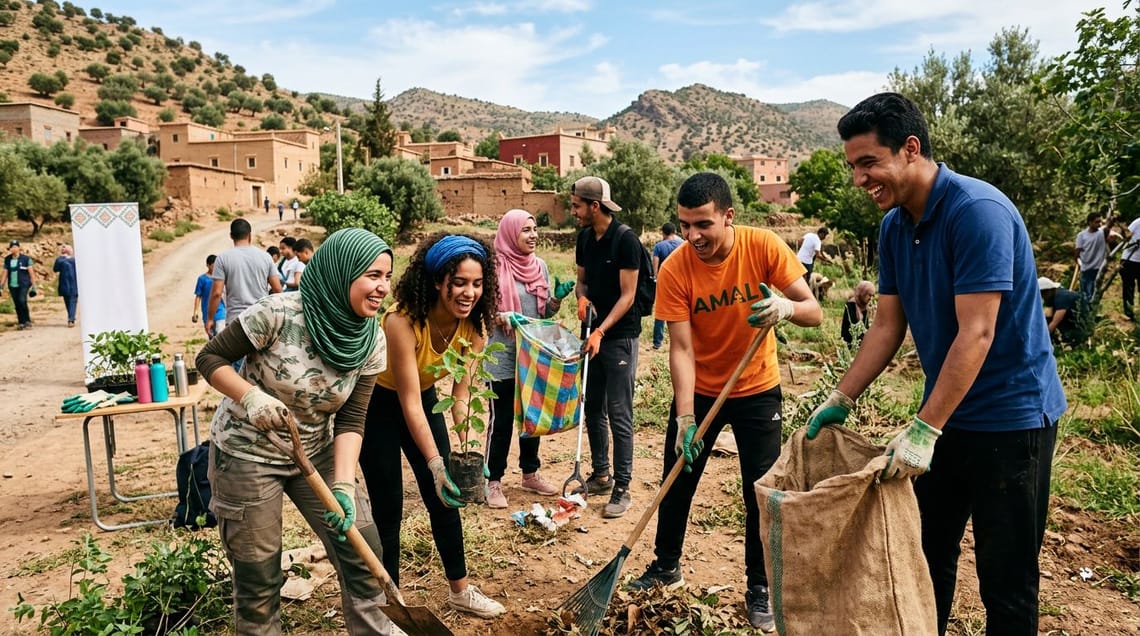
Engagement is key. Involve local schools, businesses, and families to create a sense of ownership. Utilize social media and local events to spread the word. Remember, resources are available—many NGOs offer training materials and support networks to guide you. The journey of starting a permaculture network is one of patience and collaboration, but the rewards are well worth the effort.
Local Government and NGO Support for Permaculture
Local governments and NGOs play a crucial role in the success of permaculture networks. Policies that support sustainable agriculture can provide the necessary framework for these initiatives to thrive. In some Moroccan regions, government support has come in the form of grants for water-saving technologies and training programs.
Partnerships between NGOs and communities have also proven fruitful. NGOs offer expertise and resources, while local communities provide the manpower and local knowledge. For instance, in the oasis towns of the Sahara, government-supported projects have introduced permaculture techniques to combat desertification, turning once-barren lands into green oases.

Conclusion: Building Resilient Communities Through Permaculture
As Morocco continues to navigate the challenges of climate change and food security, the role of community permaculture networks becomes increasingly vital. These networks offer a pathway to sustainability, community empowerment, and resilience. By engaging with local initiatives or starting new ones, each of us can contribute to this transformative journey.
The stories and successes highlighted here demonstrate the profound impact of permaculture. They invite us to imagine a future where communities thrive in harmony with nature. So, consider stepping into this vibrant network of change-makers and explore the potential of permaculture in your own backyard. Reach out to local groups, attend a workshop, or simply start a conversation about permaculture in your community.