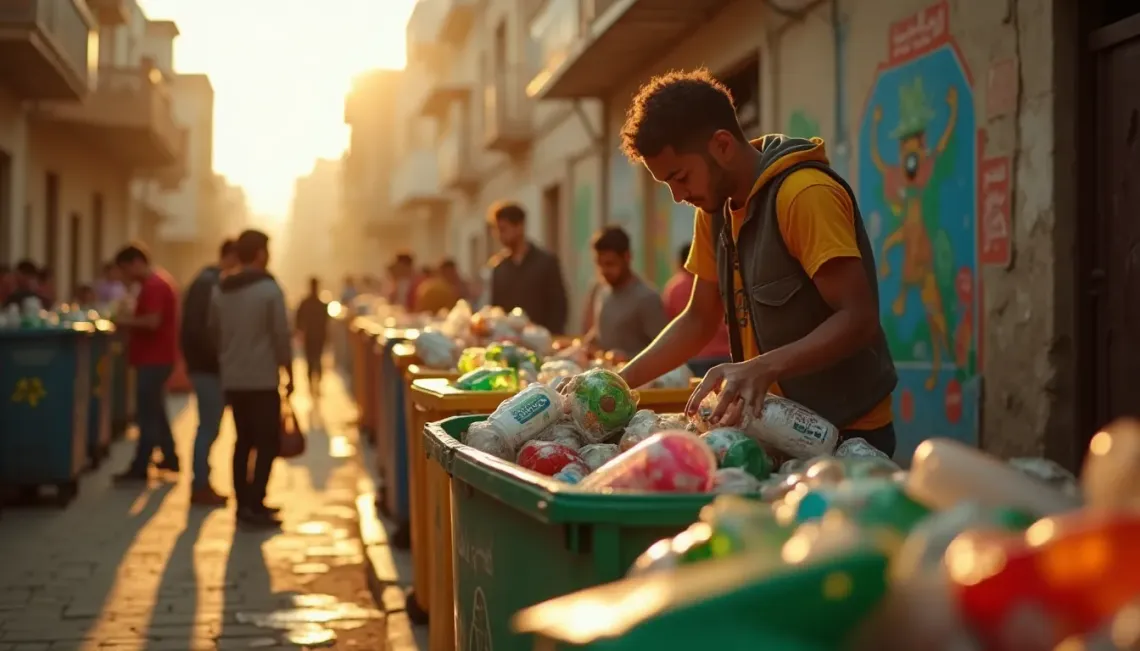

In recent years, the Recycling Revolution in Morocco has captured attention as communities across the country embrace innovative waste management practices. This shift towards environmental sustainability and community-led recycling initiatives is transforming waste into valuable resources while nurturing a culture of eco-consciousness among Moroccans.
Community-Led Recycling Initiatives: The Heart of the Revolution
Community-led recycling in Morocco is spearheading significant change. Local communities are not only participating in waste management, but they are also designing and implementing innovative recycling methods. Here's how these initiatives are taking shape:
- Grassroots Organization: Communities form alliances, often with local NGOs, to promote awareness about recycling.
- Educational Programs: Workshops and campaigns educate citizens on the importance of recycling and environmental sustainability.
- Incentive Systems: Some municipalities motivate residents to recycle by offering small rewards or discounts on utilities.
The Role of Women in Waste Management
Women play a pivotal role in the Recycling Revolution in Morocco. Various projects focus on empowering women, providing them with employment opportunities in recycling facilities. This not only advances gender equality but also stimulates local economies.
Innovative Waste Management Solutions
Morocco is home to a myriad of innovative waste management solutions that are both efficient and sustainable. These methods are pivotal to the Recycling Revolution:
1. Sorting and Collection: Advanced systems for sorting and collecting waste ensure that maximum material can be recycled effectively.
2. Composting: Organic waste is transformed into compost, which is then used to enrich soil, supporting agricultural practices.
3. Renewable Energy: Waste-to-energy plants convert refuse into energy, providing a clean alternative to fossil fuels.
Environmental Sustainability: A Nationwide Movement
The drive towards environmental sustainability is not confined to local efforts. The Moroccan government supports this initiative through policies and partnerships aimed at enhancing recycling infrastructure. National campaigns are launched to create a shared vision of sustainability among citizens.
Furthermore, Morocco is increasingly integrating sustainable architecture and green building techniques, contributing to waste reduction in construction. This initiative demonstrates Morocco's commitment to a holistic approach to environmental sustainability.
Challenges and Future Prospects
Despite these strides, the Recycling Revolution in Morocco faces challenges such as funding, infrastructure development, and public engagement. However, with ongoing governmental support and international collaboration, the future appears promising.
The potential for Morocco to emerge as a leader in community-led recycling and sustainable waste management is significant. By addressing current obstacles and leveraging community engagement, Morocco can set a precedent for other nations seeking to enhance their environmental sustainability efforts.
In conclusion, the Recycling Revolution in Morocco is a transformative movement powered by community-led recycling initiatives. It embodies the spirit of innovation in waste management and serves as a beacon of hope for achieving environmental sustainability. As communities continue to lead the way, Morocco stands poised to revolutionize its environmental landscape.