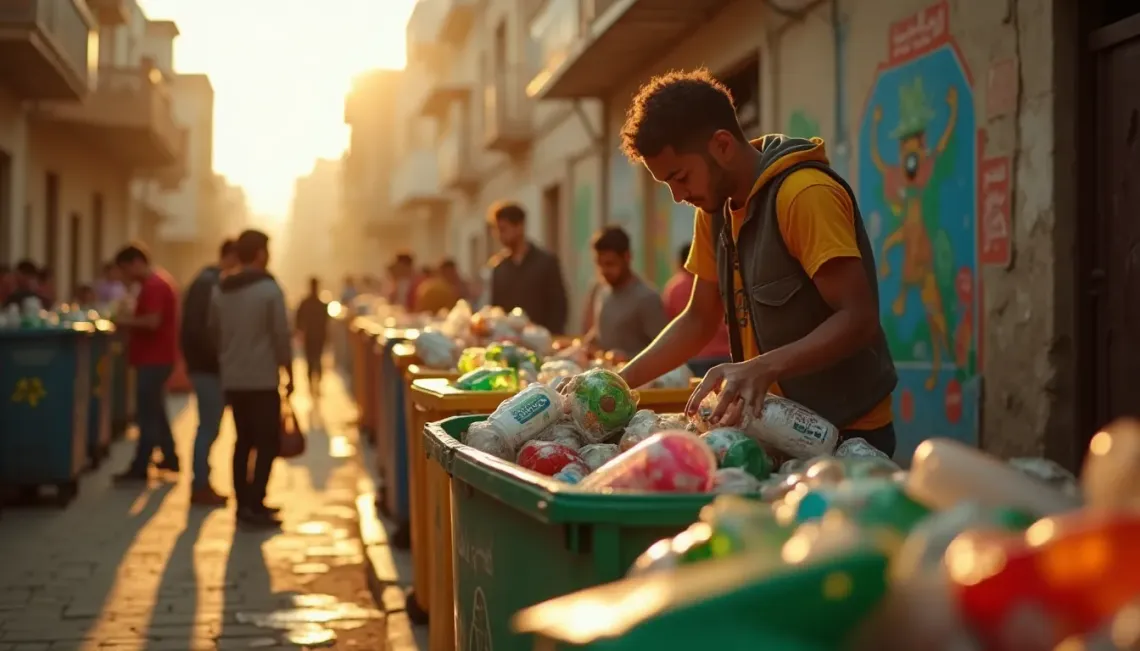
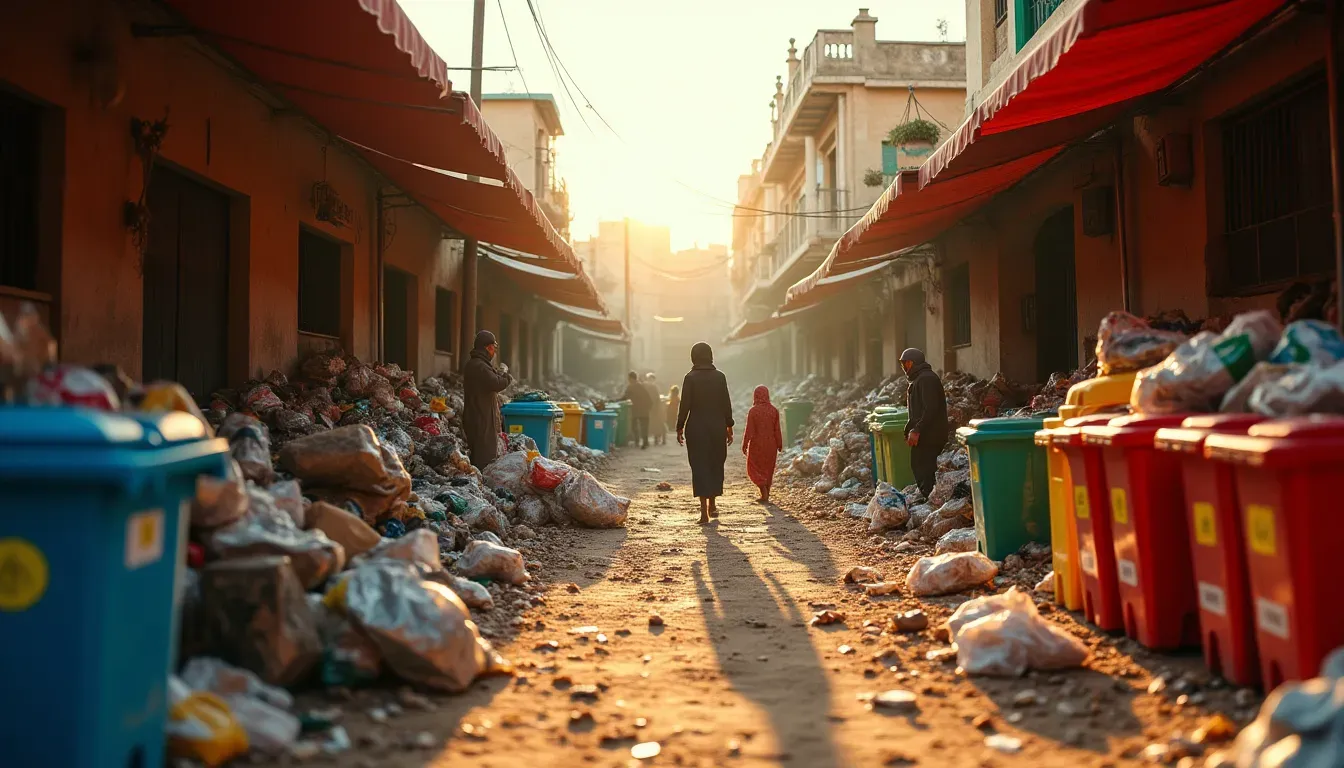
Morocco, a nation known for its breathtaking landscapes and rich cultural heritage, is standing at a crucial crossroads when it comes to waste management and environmentally sustainable practices. The concept of recycling in Morocco has yet to reach its full potential, offering a unique opportunity to drive sustainable growth and minimize the environmental impact across the country.
The Current State of Waste Management in Morocco
Despite being a progressive nation in many respects, Morocco still faces significant challenges in its approach to waste management. With a growing population and rising urbanization, waste generation is increasing rapidly, necessitating efficient solutions. However, recycling initiatives are still in their infancy, with a large percentage of waste ending up in landfills.
Notably, informal recycling activities contribute significantly to waste management. Yet, without formal infrastructure and support, these efforts remain largely ineffectual in addressing the broader environmental impact.
Sustainable Practices: A Necessity, Not a Choice
Transitioning towards sustainable practices in waste management is not merely an option but a necessity for Morocco. By establishing comprehensive recycling initiatives, the nation can address its ecological challenges while simultaneously creating economic opportunities. Implementing advanced sorting and processing facilities could transform waste into valuable resources, creating a circular economy that significantly benefits society and the environment.
The Untapped Potential: Benefits of Recycling in Morocco
Adopting effective recycling in Morocco can unlock a myriad of benefits, including:
- Resource Conservation: Recycling reduces the need for raw materials, conserving natural resources and reducing depletion.
- Energy Savings: Recycling processes typically consume less energy than traditional waste disposal and production methods.
- Job Creation: Comprehensive recycling initiatives foster new employment opportunities within the environmental sector.
- Pollution Reduction: Reducing landfill reliance minimizes pollution, significantly improving air and water quality.
Promising Recycling Initiatives and Government Role
Several promising recycling initiatives are sprouting across Morocco, signaling a positive shift towards sustainable waste management. The Moroccan government has recognized the importance of this sector and is gradually integrating recycling into its policy framework. Legislative support, public-private partnerships, and community engagement are crucial to accelerating this transition.
Moreover, educational campaigns are essential for fostering a culture of recycling awareness and participation among citizens. By enlightening the public about the environmental impact of waste, these campaigns can enhance collective responsibility and action.
Conclusion: Charting a Sustainable Future
The untapped potential of recycling in Morocco represents a golden opportunity for the nation to redraw its environmental landscape. Through strategic investments in waste management infrastructure and active collaboration between governmental and non-governmental stakeholders, Morocco can pave the way toward a sustainable and environmentally conscious future. By prioritizing recycling initiatives, Morocco not only addresses its current ecological challenges but also inspires a ripple effect of positive environmental impact across the globe.
Explore more on sustainable practices and their global impact in our other articles on environmental conservation and eco-friendly innovations.