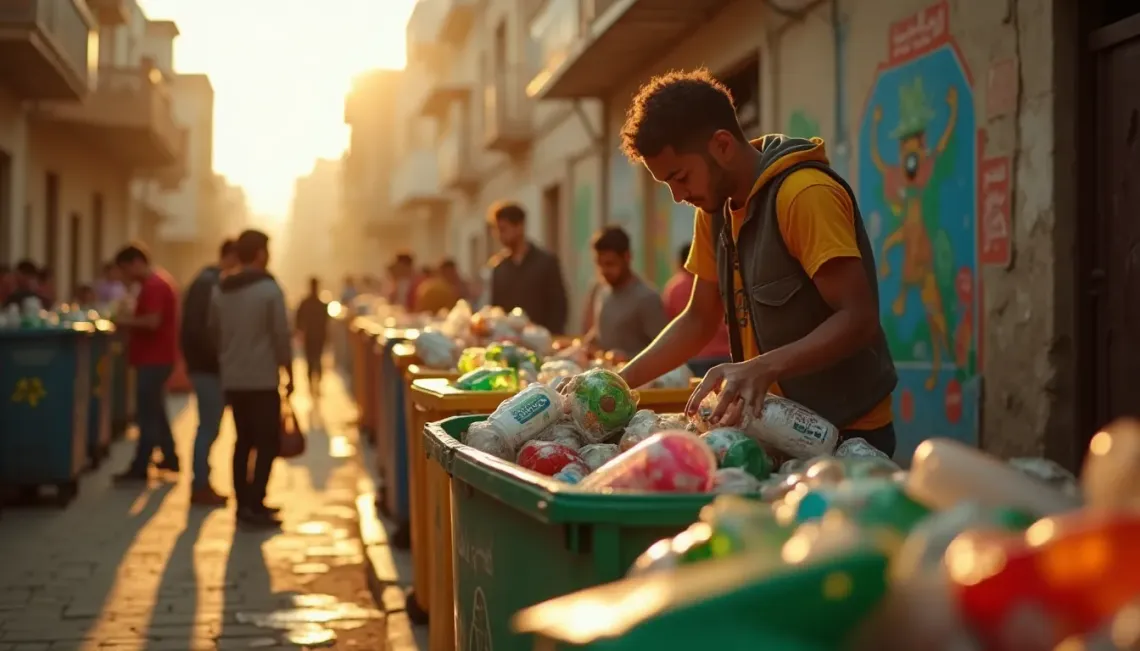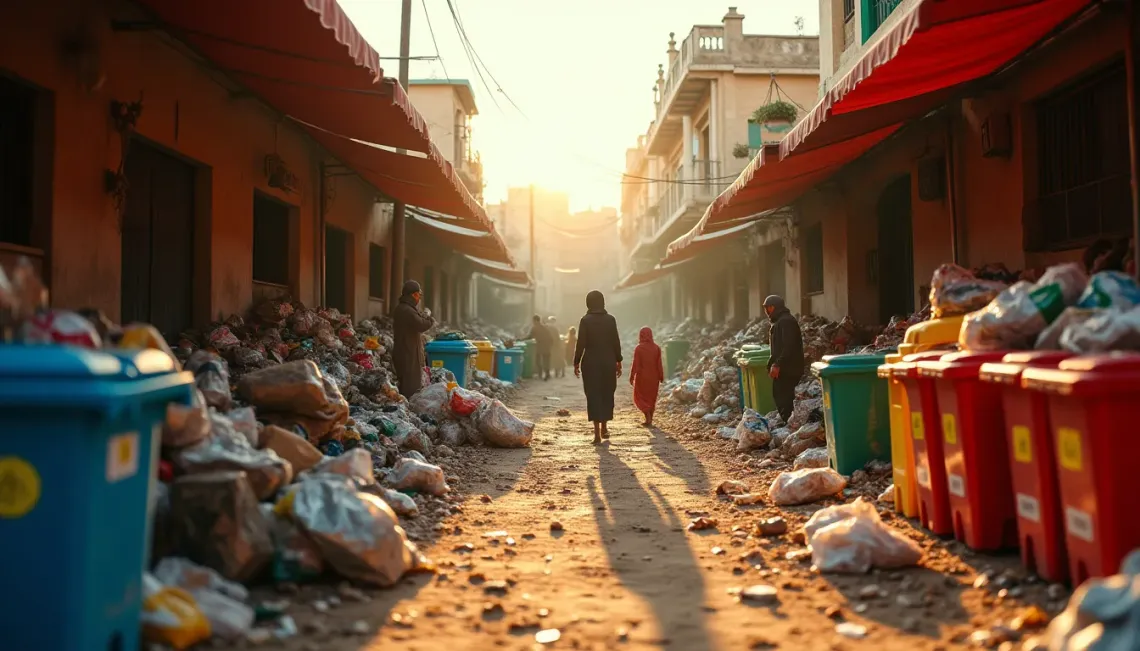

In recent years, Morocco has emerged as a leader in innovative recycling strategies and waste management practices. The country's commitment to sustainable development and a thriving circular economy is transforming how waste is perceived and managed. This transformation not only addresses environmental challenges but also creates economic opportunities.
Revolutionizing Waste Management in Morocco
Morocco’s journey towards effective waste management has not been overnight. It involves a multi-faceted approach encompassing advanced recycling strategies, government policies, and community engagement. The rise of modern waste management facilities has played a critical role in processing waste efficiently and promoting the idea of sustainable development.
Government Policies Driving Change
The Moroccan government has implemented robust policies to support waste management innovations. By providing incentives for businesses engaging in recycling and introducing strict regulations for waste disposal, Morocco sets an example for the region. These policies align with global sustainability goals, making the transition to a circular economy more viable.
Community Engagement and Education
Public awareness campaigns are pivotal in Morocco's recycling revolution. Education programs in schools and communities emphasize the importance of reducing waste and participating in sustainable development efforts. These initiatives not only foster community involvement but also instill a culture of sustainability from a young age.
Key Recycling Strategies in Morocco
Morocco's approach includes several noteworthy recycling strategies:
- Organic Waste Composting: Transforming organic waste into compost is widely practiced, reducing landfill usage.
- E-Waste Recycling: Specialized centers are established to manage electronic waste, reclaiming valuable materials.
- Plastic Recycling Initiatives: Programs focus on reducing plastic waste through innovative recycling technologies.
Impact on the Circular Economy
Morocco's strategic focus on recycling not only reduces environmental degradation but also strengthens its circular economy. By converting waste into valuable resources, Morocco unlocks new business opportunities, stimulates job creation, and enhances economic resilience.
Sustainable Development and Future Prospects
As Morocco continues to advance in its recycling efforts, the nation's dedication to sustainable development serves as a global model. Further integration of technology, such as AI and IoT for waste management, promises to optimize these systems, leading to more efficient resource use and improved quality of life.
In conclusion, Morocco's innovative recycling strategies are setting a standard for turning waste into wealth. By embracing sustainable development and enhancing their circular economy, Morocco not only safeguards its environment but also paves the way for economic prosperity. As these strategies evolve, they offer learning opportunities for other nations aiming to tackle similar challenges, thus promoting a more sustainable future globally.