In the bustling streets of Casablanca, a quiet revolution is taking place. Amidst the vibrant markets and historic architecture, communities are coming together to tackle one of the most pressing issues of our time: waste management. Morocco is at the forefront of this movement, with innovative recycling education programs that are transforming mindsets and practices. These initiatives are not just about managing waste—they're about empowering citizens to build a sustainable future.
Recycling Education Programs in Moroccan Schools and Communities
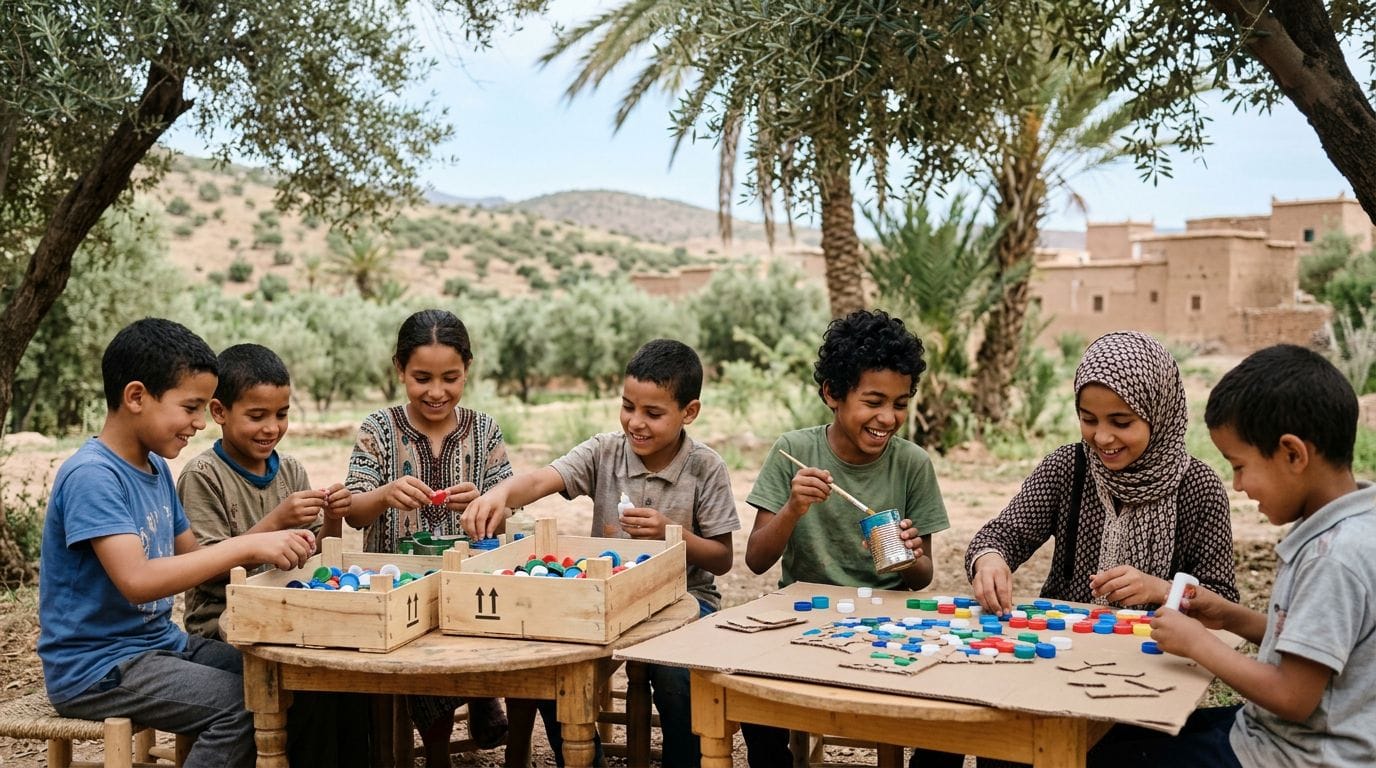
Across the country, schools are pioneering change by embedding recycling education into their lessons. In Rabat, students are not only learning about recycling—they're living it. Through recycling clubs, young learners engage in hands-on activities like waste sorting and crafting with recycled materials. Such programs are crucial in shaping the next generation of environmentally conscious citizens.
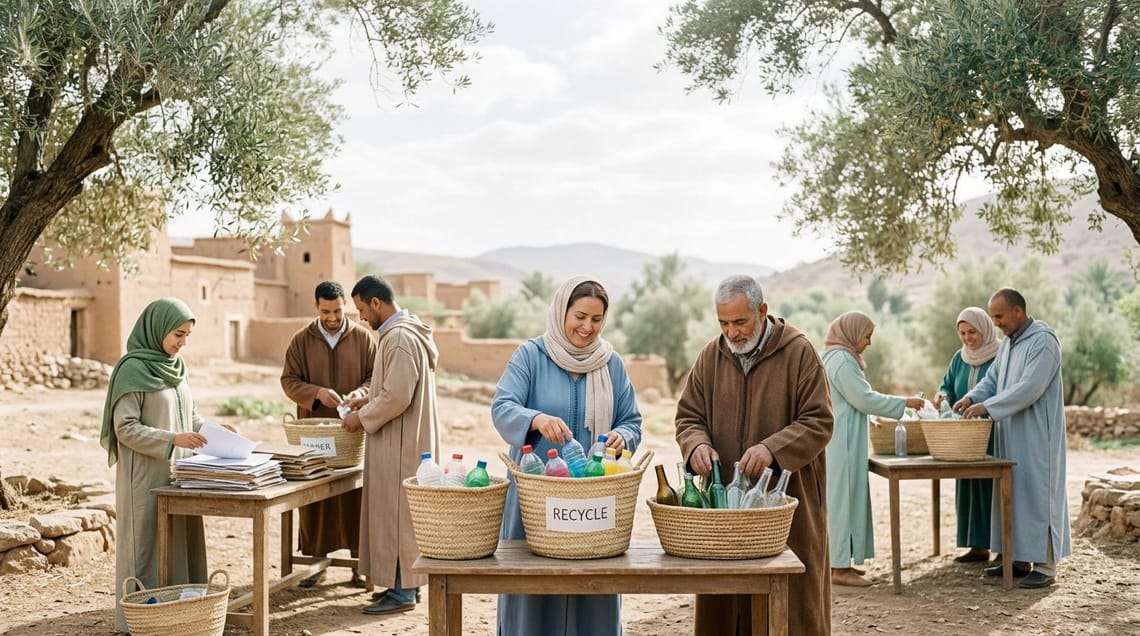
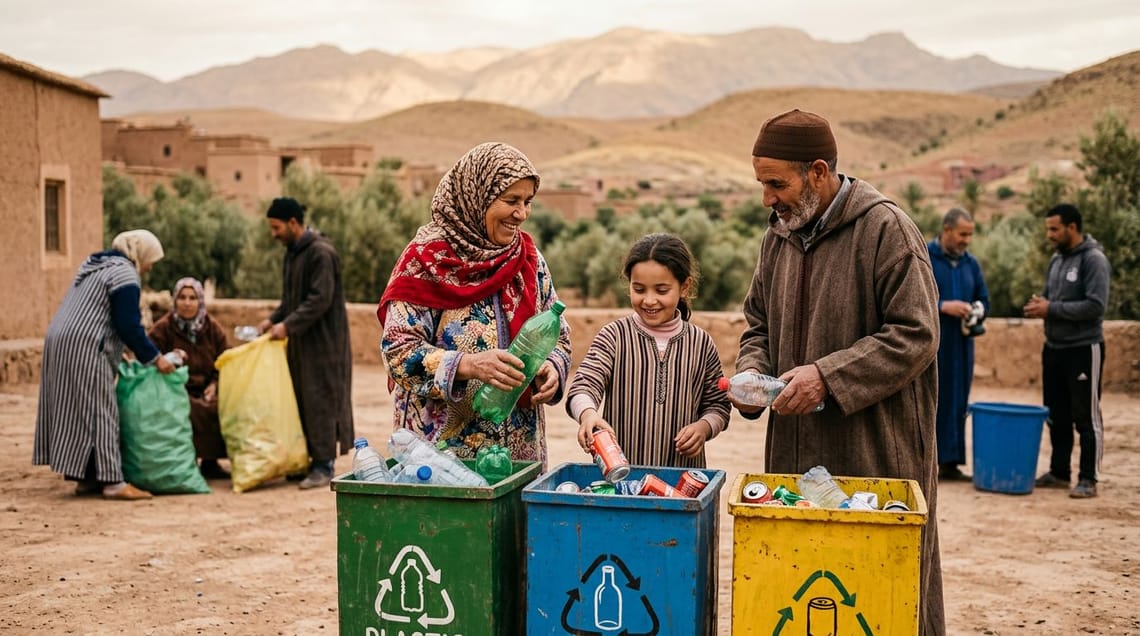
Community initiatives are equally vital. In Marrakesh, monthly recycling days at local centers bring families together to learn proper sorting techniques and share a common goal. These gatherings foster a sense of unity and collective responsibility, as neighbors work side by side to make a positive impact.
Collaborations between the Moroccan Ministry of Environment and educational institutions further amplify these efforts, providing resources and training to educators committed to teaching sustainable practices.
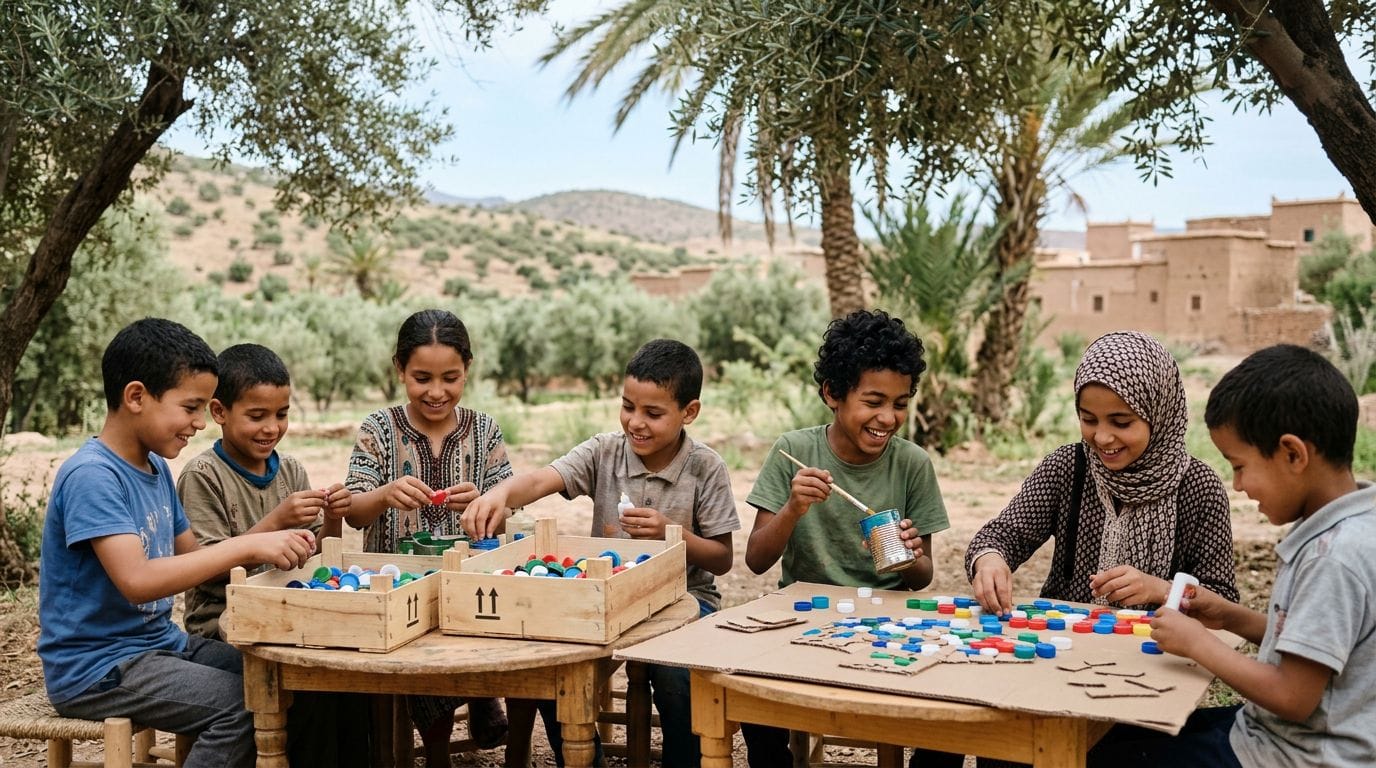
Hands-On Workshops: Learning by Doing
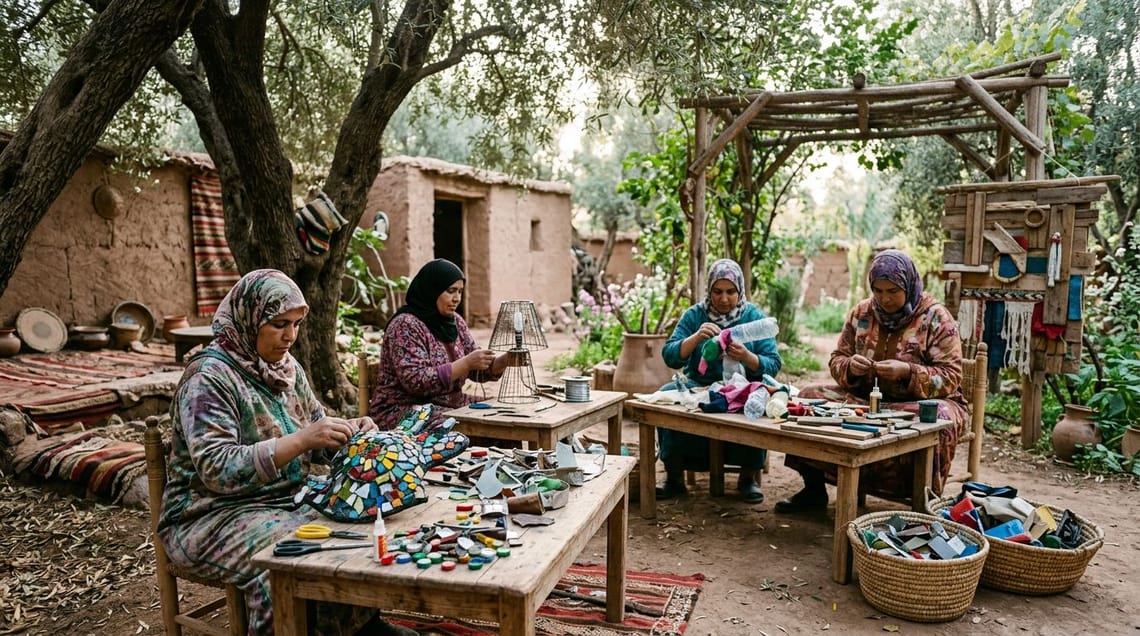
Interactive workshops are at the heart of Morocco's recycling education efforts. These sessions not only provide information but also equip participants with practical skills. In Casablanca, local NGOs organize workshops where participants learn to create compost from household waste or turn discarded plastic into useful items. Such hands-on experiences are invaluable, as they offer a tangible sense of accomplishment and a deeper understanding of sustainable waste management.
Feedback from these workshops often highlights the transformative impact they have on participants. Many report a newfound commitment to recycling and a desire to spread awareness in their own communities. The benefits of these workshops extend beyond individual learning, sparking broader community engagement and awareness.
NGOs and Government Initiatives Supporting Recycling Education
Several organizations are leading the charge in promoting recycling education across Morocco. The Association Marocaine pour la Protection de l'Environnement (AMPE) is one such NGO that works tirelessly to integrate recycling education into schools and communities. Their programs focus on practical education, often involving community clean-up events and educational campaigns.
Government initiatives also play a crucial role. The Moroccan government has launched several projects aimed at reducing waste and promoting recycling, such as the National Program for Waste Management. These initiatives often involve collaborations with local municipalities to implement recycling programs and provide necessary infrastructure.
Collaborative projects between NGOs and the government enhance the reach and impact of recycling education. By pooling resources and expertise, these partnerships create a robust support network for communities eager to adopt sustainable practices.
Success Stories: Communities Leading the Way
Success stories from Moroccan communities underscore the power of recycling education to drive change. In the coastal town of Essaouira, a grassroots initiative led by local activists has successfully implemented a comprehensive recycling program. Through education and consistent community involvement, the town has significantly reduced its waste output, creating a cleaner, more sustainable environment.
These initiatives often lead to positive economic impacts as well. By reducing waste, communities save on disposal costs and can redirect funds to other critical areas. The success in Essaouira serves as an inspiring example for other communities looking to embrace recycling education.
Community leaders and participants frequently share testimonials, expressing pride in their achievements and a strong commitment to continuing their efforts. These stories serve as a beacon of hope and inspiration for others.
Explore Online Resources for Recycling Education
For those interested in exploring recycling education further, a multitude of online resources is available. Websites such as EcoMENA provide comprehensive guides and articles on sustainable waste management practices. Additionally, platforms like Green Morocco offer educational videos and materials specifically tailored for Moroccan audiences.
Books and publications by environmental experts also offer valuable insights. Titles like "Waste: Uncovering the Global Waste Crisis" provide a deeper understanding of the challenges and solutions in waste management. Staying connected with Moroccan recycling programs through social media and community forums can also be beneficial, as these platforms often share updates and opportunities for involvement.
Embark on your journey towards sustainability by tapping into these resources. Whether you're an individual or part of a community, Morocco offers a wealth of opportunities to learn, engage, and lead the charge toward a greener future.