In the vibrant streets of Marrakech, where the aroma of spices mingles with the hum of daily life, a quiet revolution is taking place. Amidst the bustling market squares and historic landmarks, community recycling programs are emerging as beacons of change. These grassroots initiatives are not just managing waste; they are reshaping how Moroccans perceive and handle their trash, offering sustainable solutions in cities grappling with waste management challenges.
Community Recycling Programs Transforming Moroccan Cities
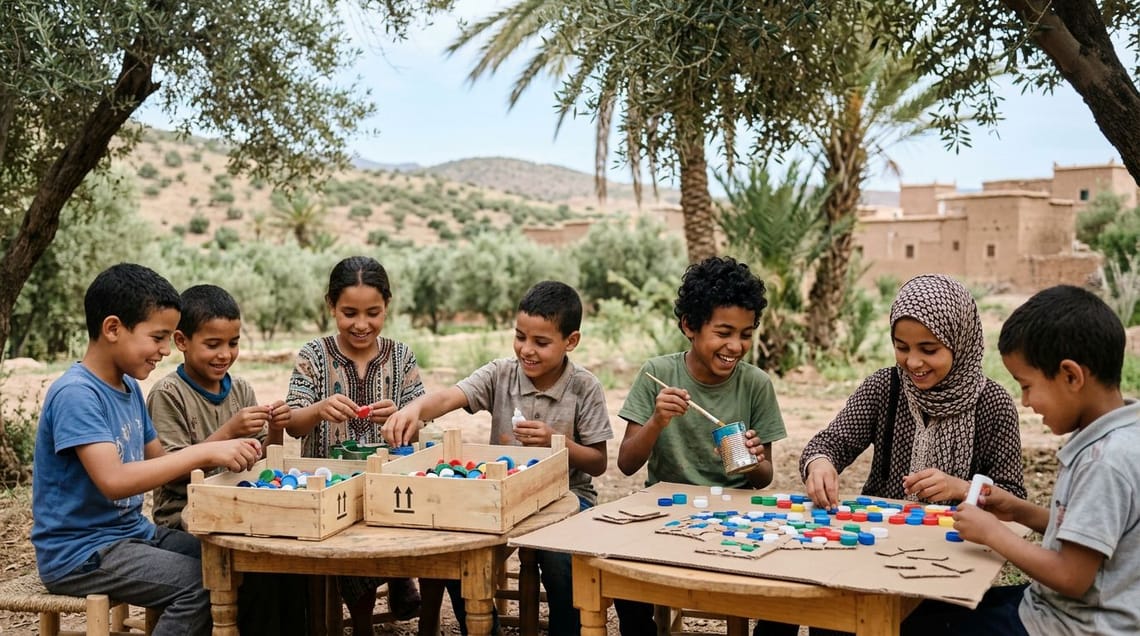
Marrakech stands out with its "Green Marrakech" project, which partners with local schools to instill the importance of recycling in young minds. Meanwhile, in Casablanca, the "Recycle to Empower" program collaborates with local businesses to create a circular economy model, benefiting both the environment and the community. Rabat, the capital, has embraced neighborhood recycling stations, thanks to the support of NGOs and local government initiatives.
Each program employs unique strategies, from incentivizing recycling through community points systems to organizing regular clean-up events. These efforts not only tackle waste but also foster a sense of community pride and responsibility.
Success Stories: Local Communities Leading the Way
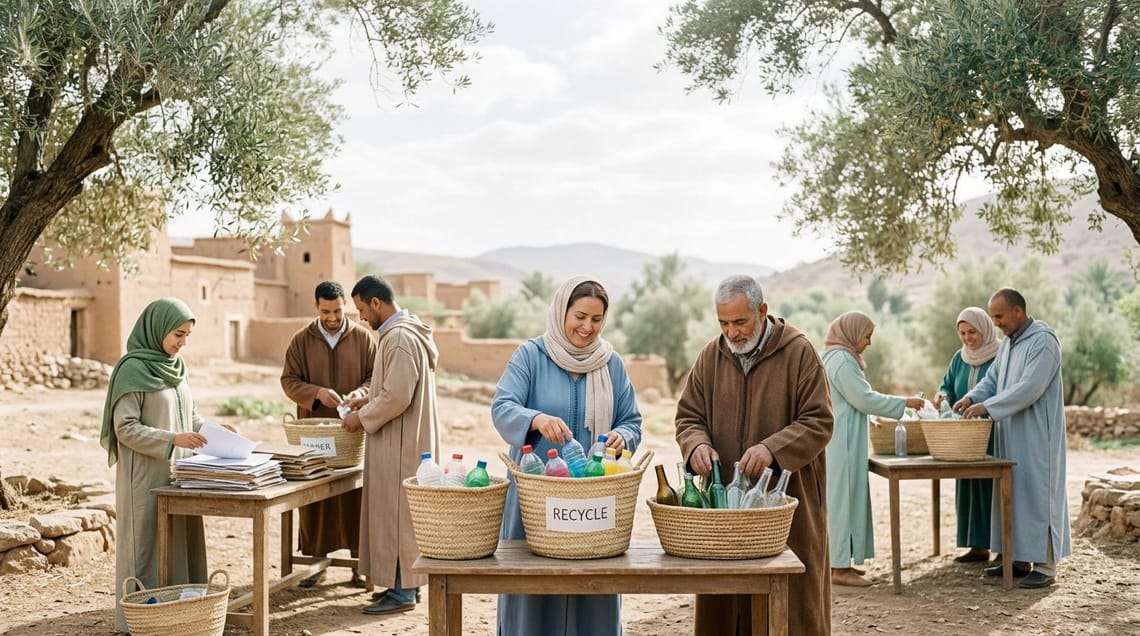
In the heart of Fez, a determined group of residents has formed a community recycling network, organizing workshops and waste sorting events that have significantly reduced landfill contributions. Fatima, a local resident, shares, "Our neighborhood feels cleaner and more united. It’s wonderful to see everyone from children to elders participating."
These initiatives have improved environmental conditions and stimulated local economies by creating jobs in waste collection and recycling. The story of these communities serves as an inspiring testament to what can be achieved when people come together for a common cause.
Addressing Challenges in Community Recycling Efforts
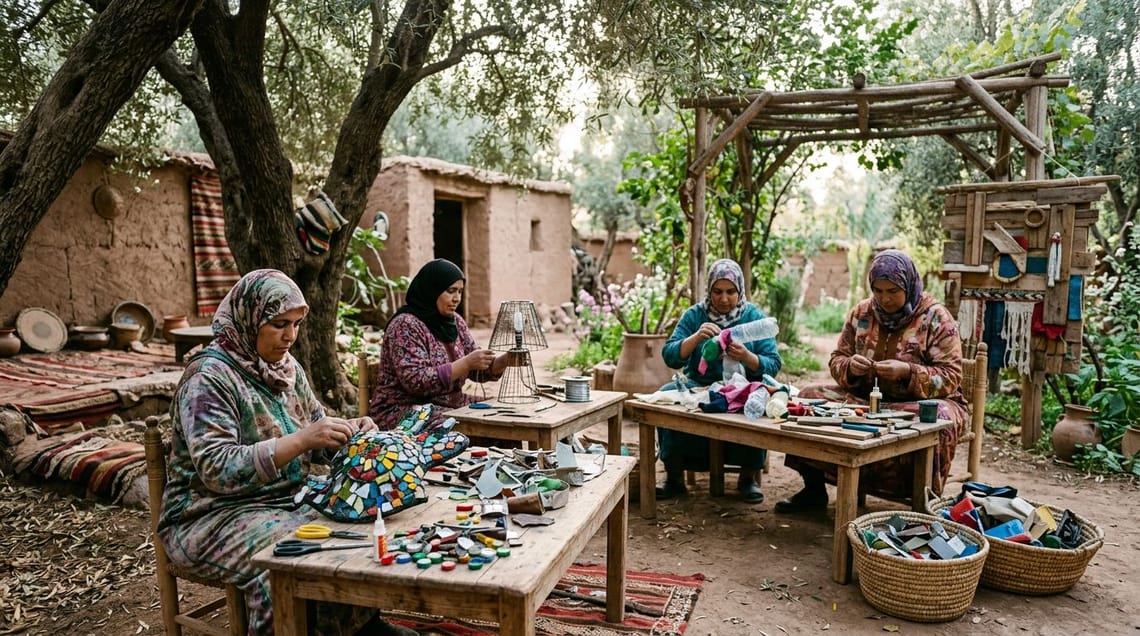
Despite their successes, community recycling programs in Morocco face several hurdles. Common obstacles include a lack of infrastructure, limited funding, and insufficient public awareness. However, many programs have found innovative ways to tackle these issues. For instance, some initiatives have partnered with local artists to create public art installations from recycled materials, raising awareness and engaging the community creatively.
Education plays a crucial role in overcoming these barriers. Programs often host workshops to teach residents about the environmental impact of waste and the benefits of recycling. This educational component is essential in fostering a culture of sustainability and ensuring long-term success.
Get Involved: Start Your Own Community Recycling Program
For those inspired to make a difference, there are several ways to get involved. Start by engaging with existing programs in your area. Many communities welcome volunteers to help with waste collection or educational outreach. If you're feeling ambitious, consider starting your own initiative. Begin by gathering a group of like-minded neighbors and holding a meeting to discuss goals and strategies. Reach out to local businesses or NGOs for support and resources.
Numerous online resources offer guidance on sustainable practices, from waste sorting techniques to setting up community composting sites. By taking these steps, you can contribute to the growing movement of community recycling in Morocco and inspire others to join you.
Conclusion: Building a Sustainable Future Together
The stories of community recycling programs in Morocco remind us of the power of collective action. These initiatives not only address immediate waste management issues but also pave the way for a more sustainable future. By participating in or starting a recycling program, you can help create a cleaner, greener Morocco, one neighborhood at a time. Let's take action and be part of the change.