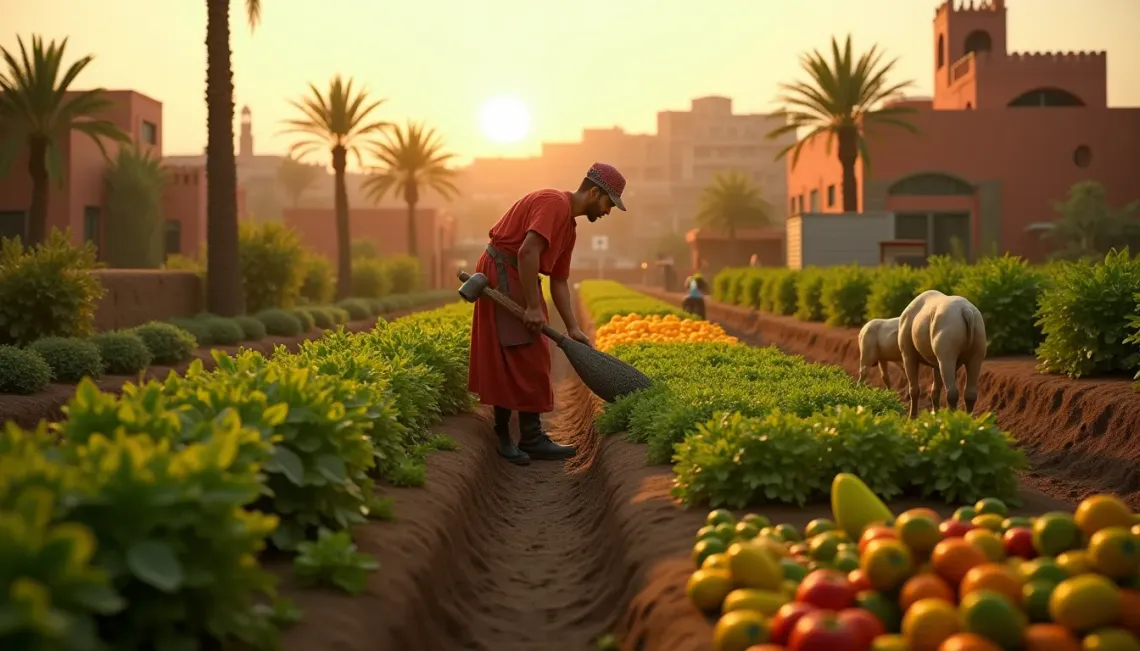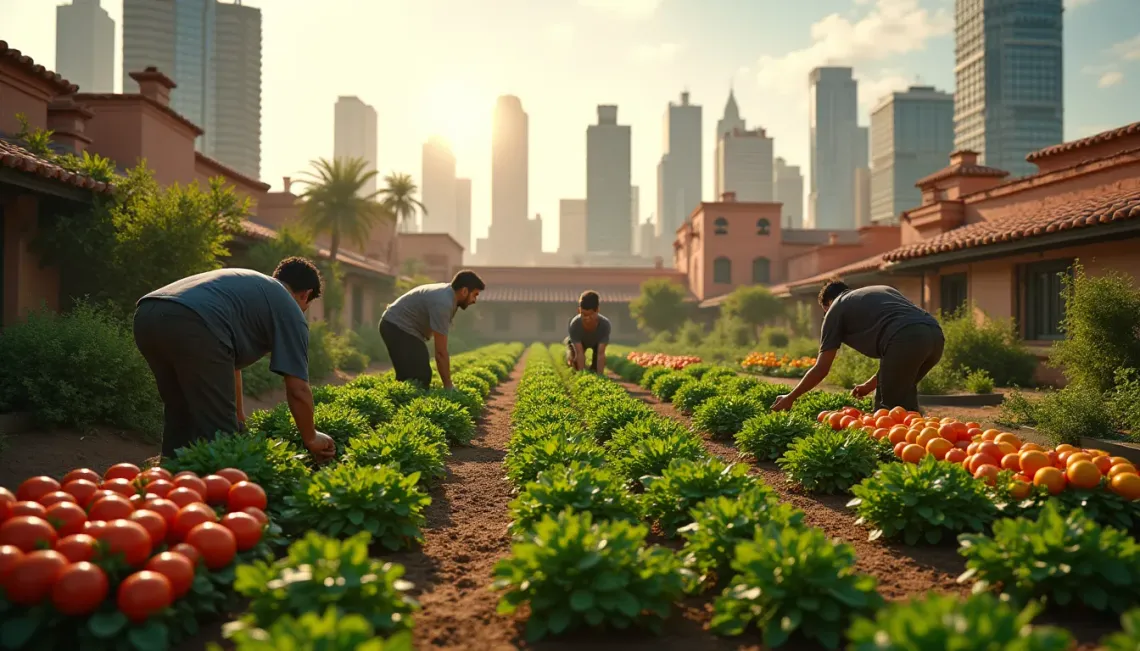
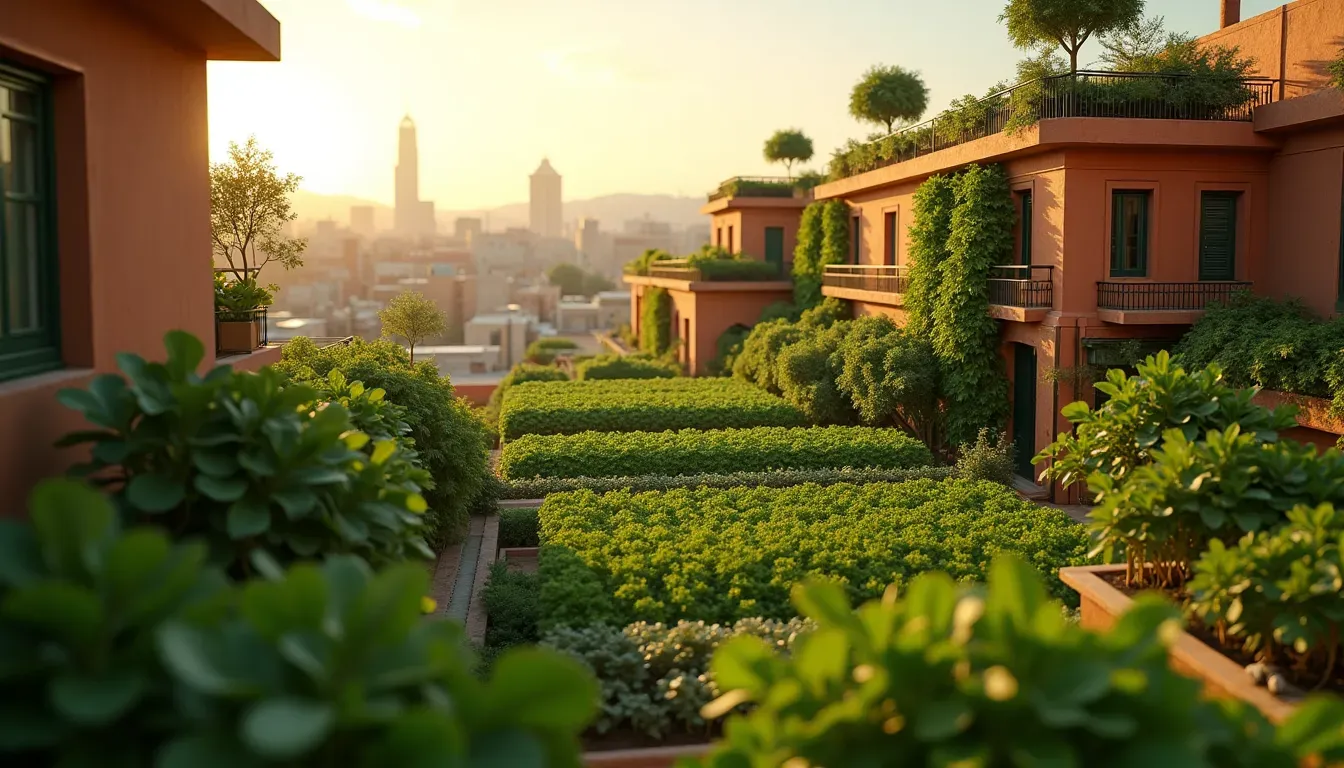
Urban farming is gaining momentum in Morocco, transforming traditional spaces into flourishing green areas that contribute to sustainable living. This innovative approach, primarily focusing on rooftop gardening and balcony agriculture, is reshaping how urban settings adapt to growing ecological challenges. By utilizing existing structures, urban dwellers are turning rooftops and balconies into productive green spaces, fostering environmental benefits and supporting local food systems.
Rooftop Gardening: Maximizing Vertical Space
In densely populated Moroccan cities, rooftop gardening offers a viable solution to space constraints. These elevated gardens provide multiple benefits, including insulation and reduced urban heat. Rooftop gardening not only promotes biodiversity within city limits but also serves as an urban oasis, reducing stress and enhancing air quality.
Implementation of rooftop gardening requires careful planning, considering factors such as load-bearing capacity and water management. However, the rewards are substantial, including fresh produce, improved building aesthetics, and community engagement opportunities.
Balcony Agriculture: A Practical Approach
Moroccan residents are also exploring balcony agriculture, which transforms small neglected spaces into bountiful mini-gardens. This practice involves growing herbs, vegetables, and even fruit plants in containers, making efficient use of limited space. Balcony agriculture is particularly appealing due to its accessibility and the minimal investment needed for setup.
Simple steps can lead to impressive results in balcony agriculture:
- Choosing the right plants suited for small spaces.
- Utilizing vertical gardening techniques to maximize space.
- Implementing simple irrigation systems to ensure adequate water supply.
The Impact of Green Spaces in Urban Morocco
Creating green spaces through urban farming has a transformative effect on Moroccan cities. Not only do these spaces combat the urban heat island effect, but they also enhance local food security. Furthermore, urban farming initiatives encourage healthier lifestyles and provide educational opportunities about sustainability and agriculture.
Urban farming supports biodiversity by attracting pollinators and providing habitats for various species, which contribute to a healthier urban ecosystem. Moreover, these green spaces foster community connections, as residents work together to maintain and expand their agricultural endeavors.
Challenges and Opportunities
Despite its benefits, urban farming in Morocco faces challenges like water scarcity, soil pollution, and the need for technical expertise. However, with government support and community initiatives, these obstacles can be mitigated. Organizations focusing on sustainable development can collaborate to promote effective use of rooftop and balcony spaces, leveraging technology and best practices in urban agriculture.
Transforming rooftops and balconies into green spaces is a sustainable step towards a greener future for Morocco. As urban farming becomes more prevalent, it not only offers environmental and health benefits but also aligns with global sustainability goals. By embracing rooftop gardening and balcony agriculture, Moroccan cities can thrive, shaping a more resilient urban landscape.