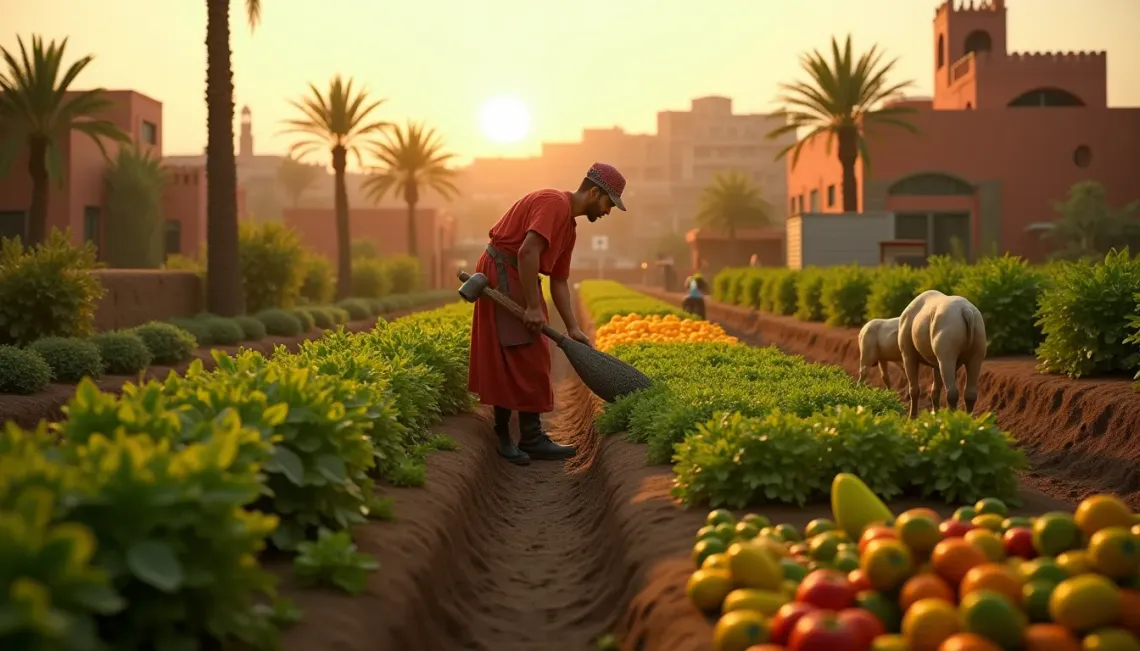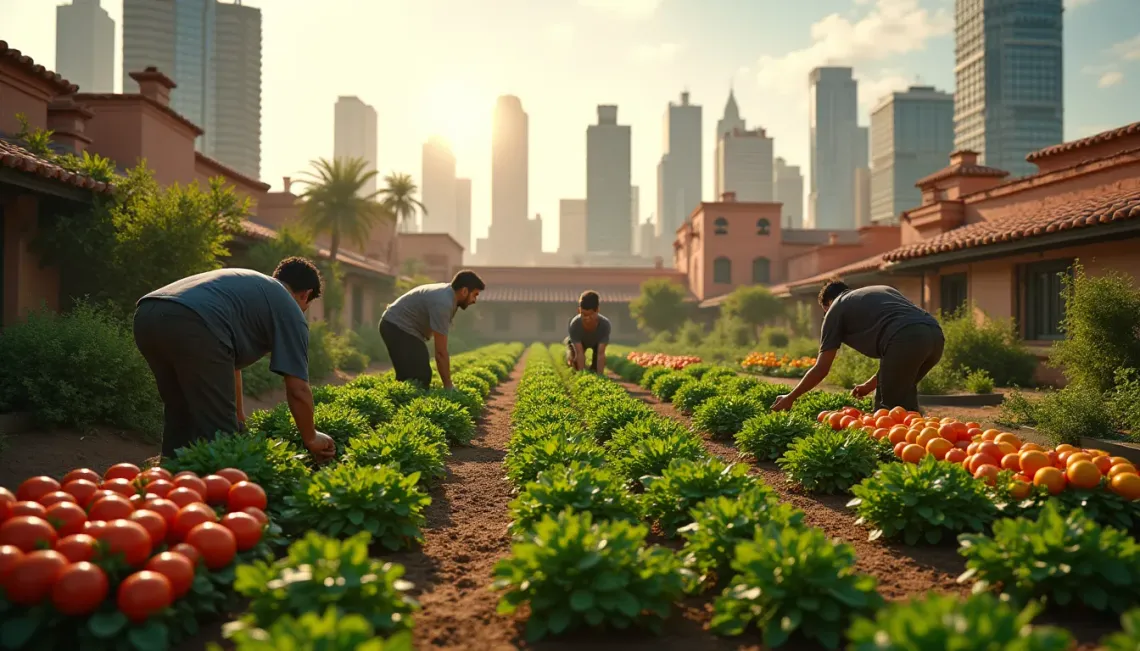
Urban farming is rapidly transforming Moroccan cities, introducing a wave of sustainable agriculture practices that promise to cultivate significant change. As urban populations swell and the demand for food security intensifies, urban agriculture emerges as a viable solution to meet these challenges head-on.
Urban Farming: A Response to Modern Challenges
Moroccan cities are embracing urban farming as a means to address the challenges of urbanization and climate change. By integrating greenery into cityscapes, these cities are not just enhancing aesthetic appeal but also contributing to environmental sustainability. Urban farming initiatives are particularly crucial in densely populated areas where space is limited, and the need for fresh produce is high.
Benefits of Urban Agriculture in Moroccan Cities
- Environmental Impact: Urban farming helps in reducing the carbon footprint by minimizing the need for transportation of food from rural areas to cities.
- Economic Opportunities: It creates jobs and empowers communities through self-sufficiency and entrepreneurship.
- Food Security: Urban agriculture ensures a steady supply of fresh produce, crucial for maintaining food security in rapidly growing urban centers.
Pioneering Efforts in Sustainable Agriculture
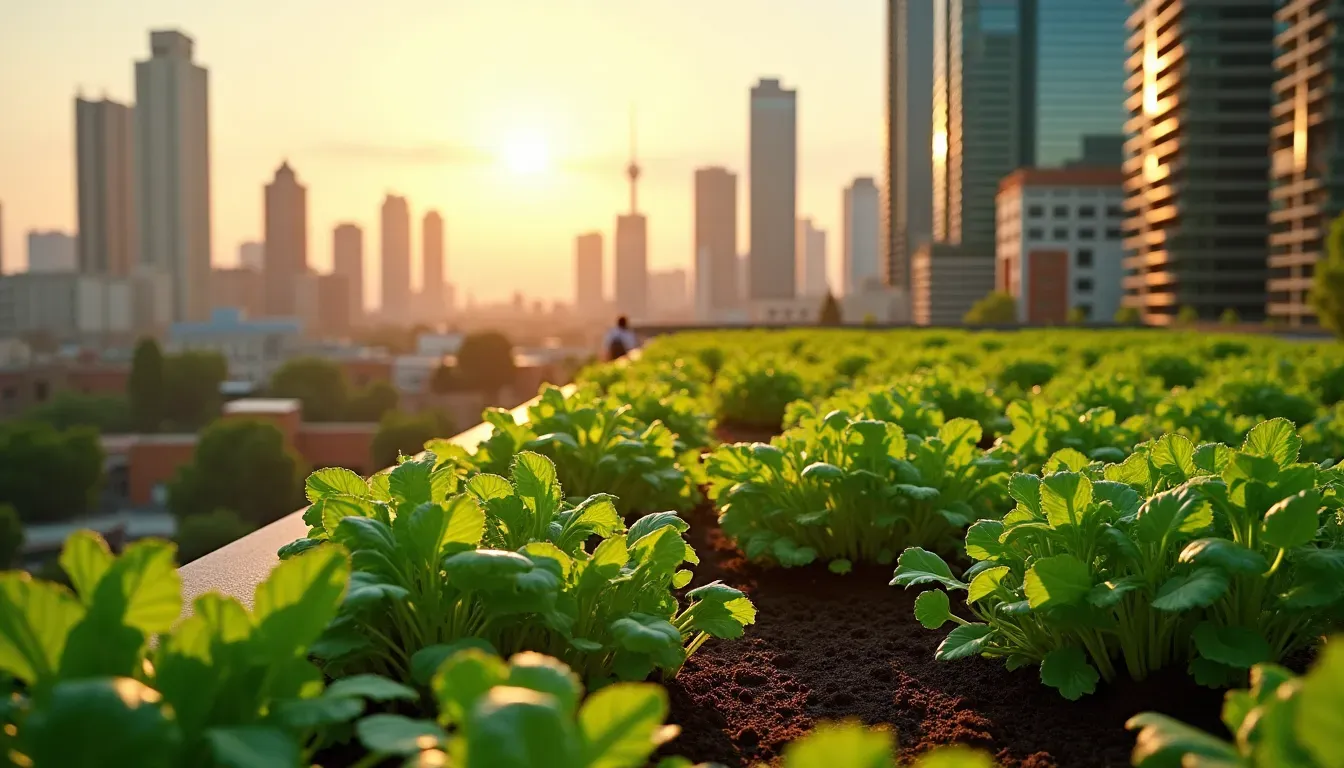
Several Moroccan cities are at the forefront of the urban farming revolution, integrating sustainable agriculture practices into their urban development plans. Casablanca and Marrakech, for example, have launched rooftop gardening and community farming projects, transforming unused spaces into productive gardens.
Morocco's Unique Approach
The Moroccan approach to urban agriculture is rooted in community involvement and innovation. Projects often incorporate traditional Moroccan farming techniques with modern technology, leading to resilient and productive farming ecosystems. Agroecology, a practice that emphasizes environmentally friendly and socially responsible farming methods, plays a significant role in many urban farming projects across the country.
Cultivating Change and Community
Beyond providing food, urban farming in Moroccan cities is fostering a sense of community and collaboration. By involving local residents in the cultivation process, urban agriculture initiatives encourage community engagement and empowerment. This communal involvement not only enhances the social fabric but also educates citizens about sustainable practices.
Challenges and Future Prospects
Despite the progress, urban farming in Morocco faces challenges such as water scarcity, land ownership issues, and access to funding. However, the government, in collaboration with non-profits and private organizations, is actively working to overcome these obstacles through policy support and innovation incentives. The future of urban farming in Moroccan cities looks promising as awareness and infrastructure continue to grow.
In conclusion, as Moroccan cities continue their journey towards sustainable agriculture, urban farming stands out as a pivotal force in cultivating change. By embracing urban agriculture, these cities are not only addressing contemporary challenges but also paving the way for a sustainable future. For more insights into sustainable practices and their impact on urban living, explore our articles on sustainable living tips and innovative green technologies.