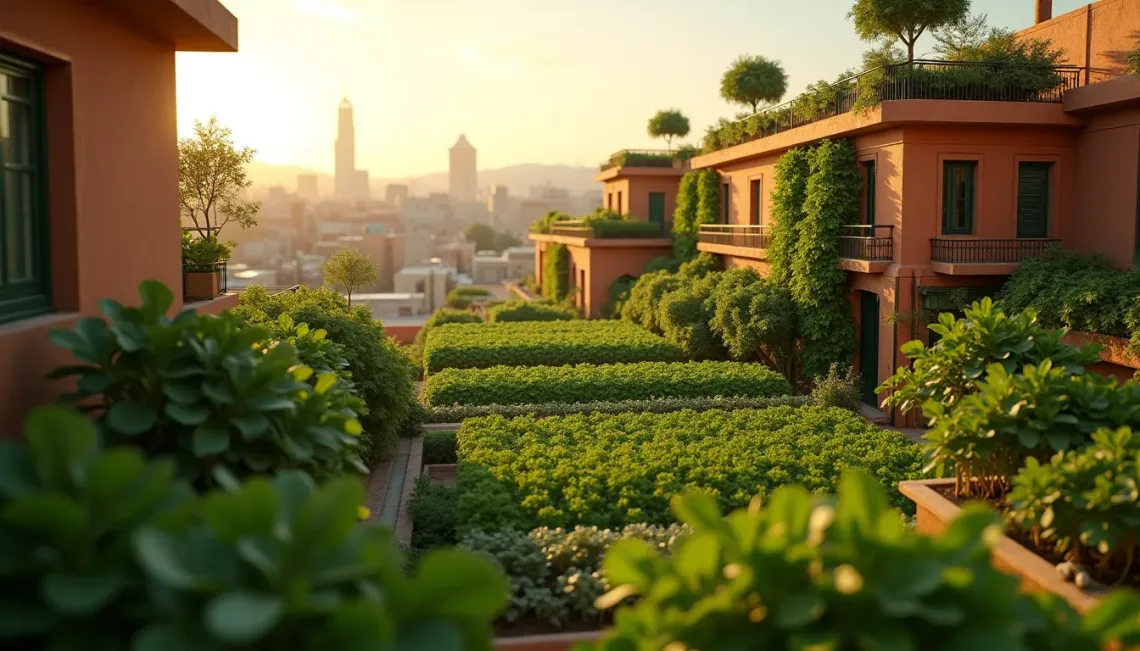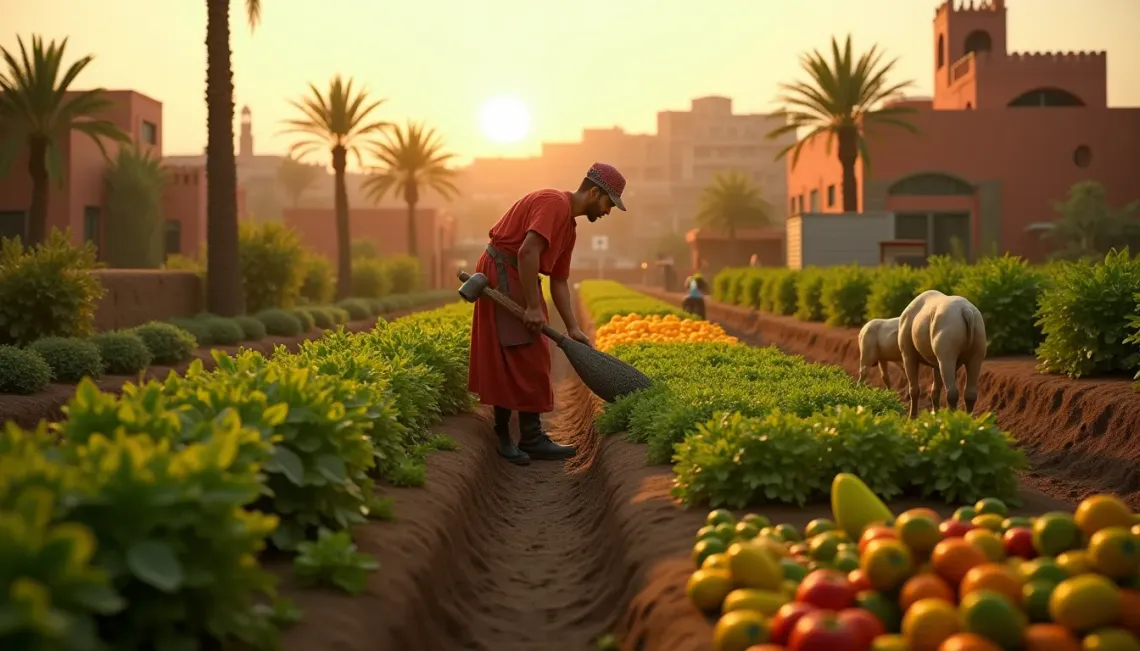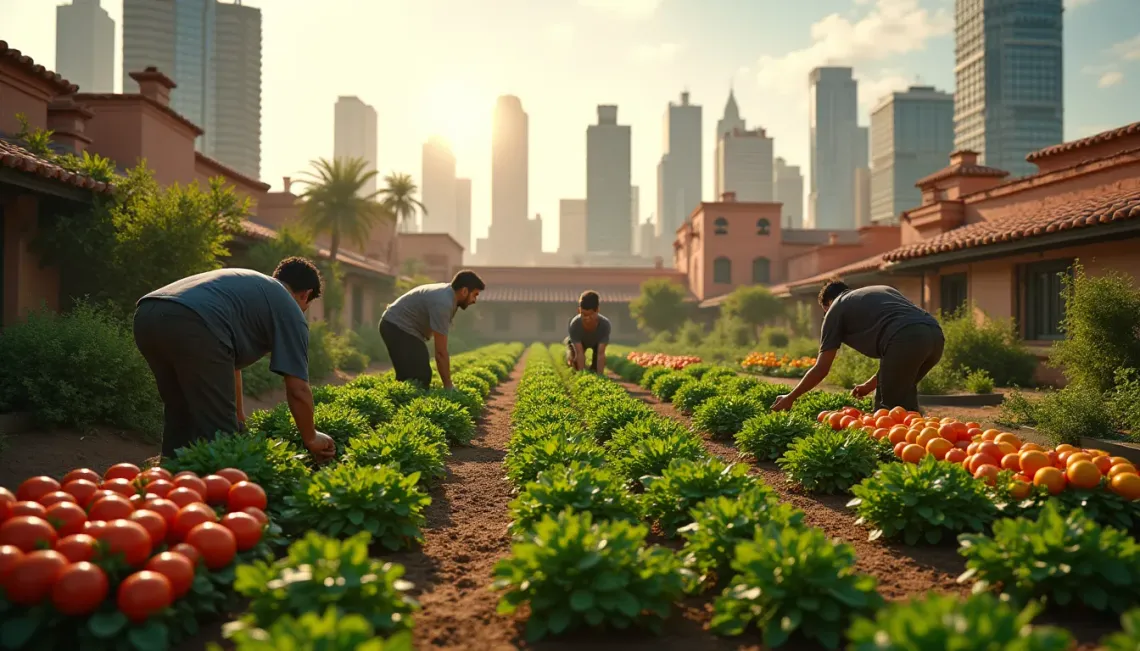
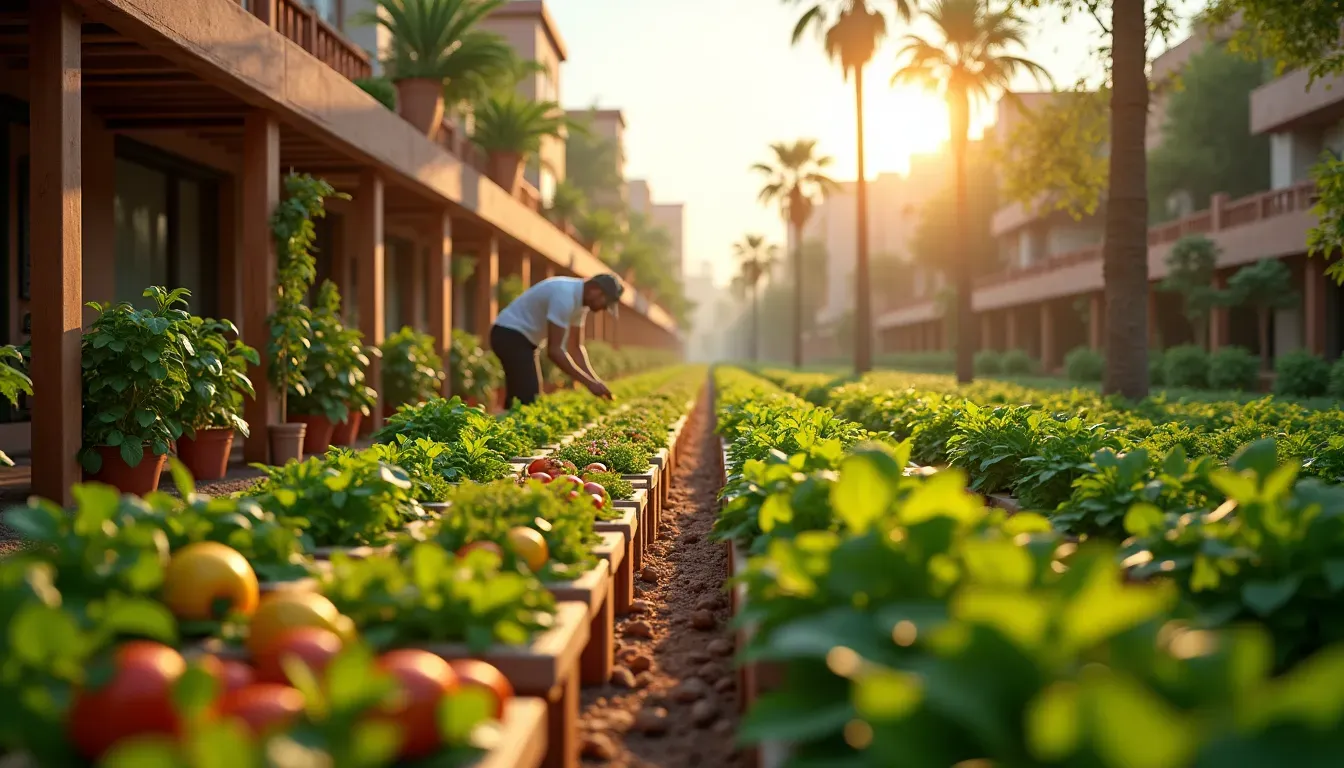
In recent years, urban farming in Morocco has emerged as a powerful movement towards securing food availability and sustainability. With the combined efforts of local communities and environmental organizations, these urban farming projects aim to build resilient local food systems that cater to the needs of rapidly growing cities while promoting environmentally friendly practices.
Understanding Urban Farming in Morocco
Urban farming in Morocco involves transforming vacant urban spaces into productive agricultural sites. These initiatives are essential for sustainable farming as they reduce the dependency on transported food supplies and further enhance food security.
By employing innovative techniques such as hydroponics and aquaponics, these projects demonstrate how resilient agriculture can thrive in urban environments. Additionally, urban farming is a practical response to the challenges posed by climate change and urbanization.
The Role of Community Gardens
Community gardens are at the heart of many urban farming projects in Morocco. They empower local communities to grow their own food, fostering a sense of ownership and responsibility towards sustainable practices. These gardens not only provide fresh produce but also serve as educational hubs where individuals learn about sustainable farming and environmental stewardship.
Benefits of community gardens include:
- Enhancing community cohesion
- Improving local biodiversity
- Providing educational opportunities
- Reducing urban heat island effect
Building Resilient Local Food Systems
The primary goal of urban farming in Morocco is to establish resilient local food systems that can withstand environmental and economic challenges. These systems take an integrative approach, combining traditional agricultural knowledge with modern technology to ensure a sustainable food supply.
Moroccan urban farming efforts also focus on reducing food waste and promoting the consumption of seasonal produce, which further contributes to resilient agriculture practices.
Challenges and Future Prospects
While urban farming in Morocco holds great potential, it faces several challenges, including limited space, water scarcity, and the need for policy support. However, with continued innovation and community collaboration, these challenges can be addressed effectively.
The future of urban agriculture in Morocco looks promising as government agencies and NGOs are increasingly recognizing its importance. By investing in these projects, Morocco can ensure food security and promote environmental sustainability across its urban landscapes.
Conclusion
Urban farming projects in Morocco are paving the way for resilient local food systems by turning urban spaces into productive agricultural areas. These projects not only contribute to food security but also promote resilient agriculture and foster environmental education within communities. As these initiatives continue to grow, they represent an essential step toward a more sustainable and food-secure future in Morocco.