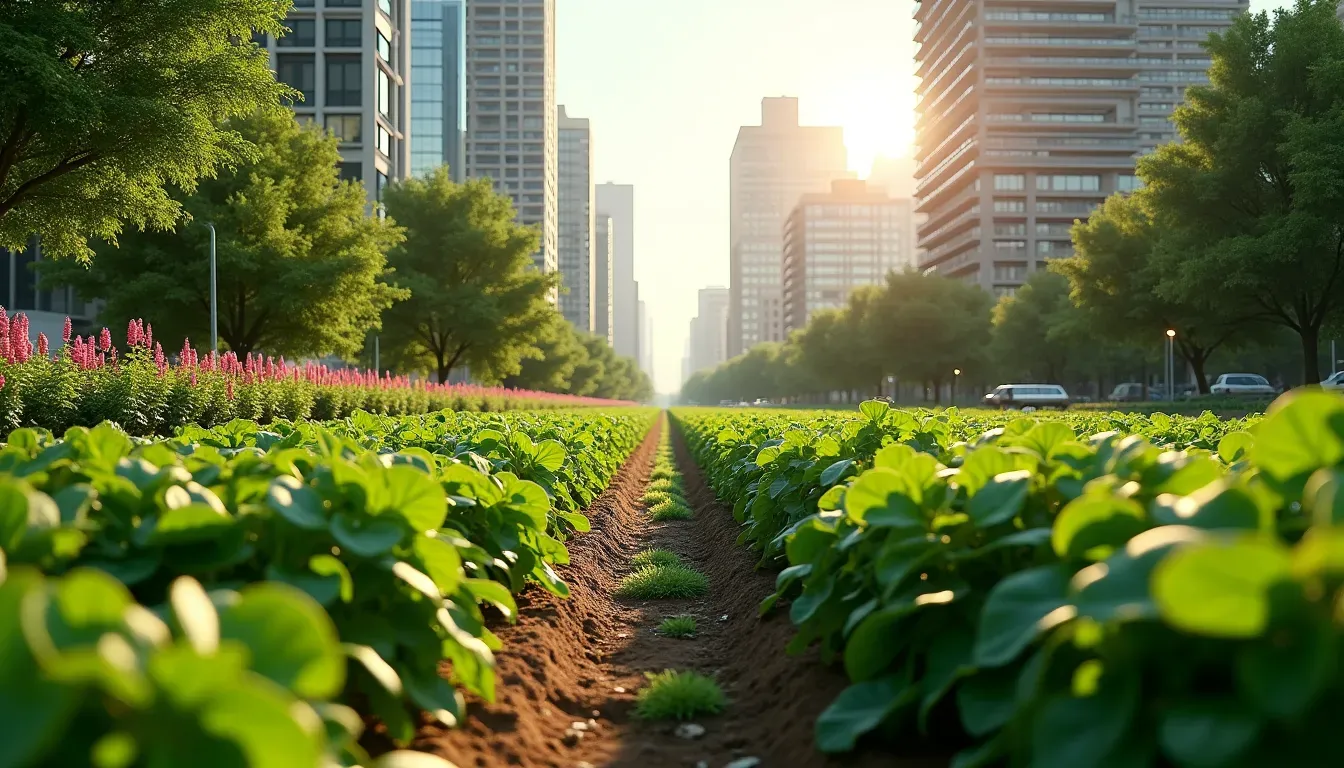
The concept of urban farming is not just a trend but a revolution redefining our cities, transforming them from concrete jungles into vibrant green havens. With urban sprawl encroaching on natural habitats, urban farming offers a sustainable solution to enhancing city life, creating ecosystems within our urban landscapes.
What is Urban Farming?
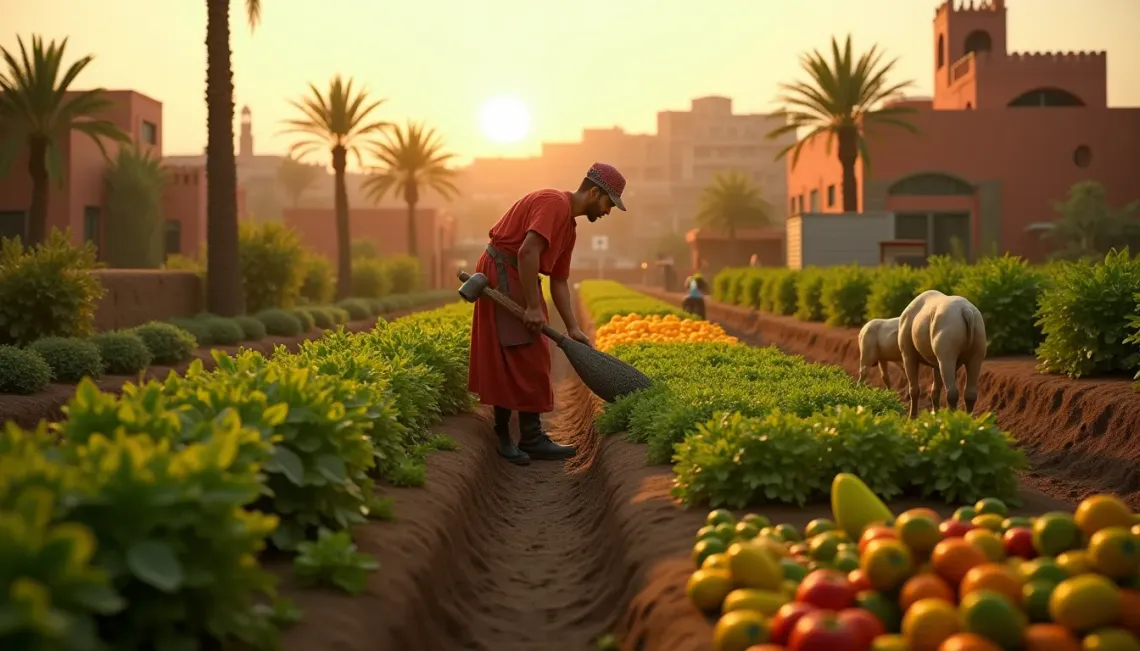
Urban farming, often referred to as city gardening, involves growing or producing food in a city or heavily populated areas. From rooftop gardens to vertical farming and community gardens, urban farming encompasses various practices that integrate green spaces into urban environments. It's a stark contrast to traditional farming, focusing on maximizing space and utilizing innovative techniques to produce food sustainably.
The Benefits of Transforming Cities
Embracing urban farming initiatives brings a plethora of benefits to cities:
- Enhanced Green Spaces: By converting unused urban areas into vibrant gardens, green spaces flourish, offering residents a refuge from the city's hustle and bustle.
- Promoting Sustainable Agriculture: Locally grown products reduce the carbon footprint associated with transporting food over long distances, making sustainable agriculture more accessible and prevalent.
- Building Community Connections: Community gardens have become social hubs where neighbors can gather, fostering community spirit and cooperation.
- Improved Air Quality: Plants naturally filter the air, so increasing urban greenery helps mitigate pollution.
How Urban Farming Initiatives Work
Urban farming projects can vary significantly in size and scope, but they all share a common goal: to integrate agriculture into urban life. Here are a few ways this transformation unfolds:
Rooftop Gardens
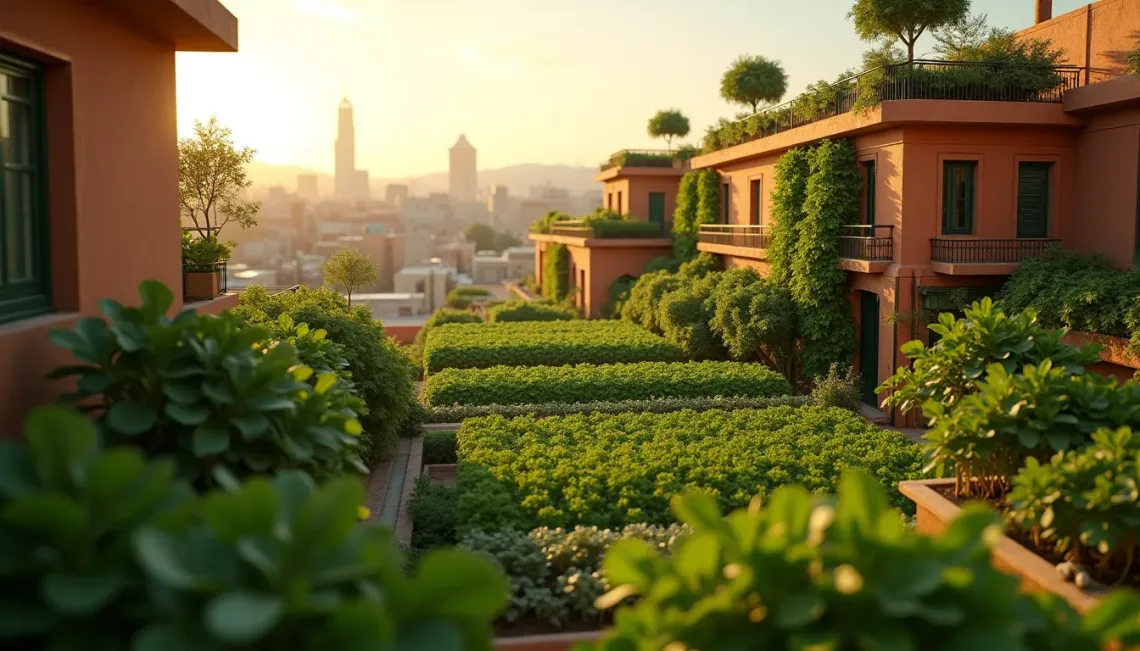
Turning rooftops into lush gardens is gaining popularity, especially in densely populated cities. Rooftop gardens not only provide an additional food source but also improve building insulation and reduce stormwater runoff.
Vertical Farming
Vertical farming enables massive food production in small areas by stacking layers of crops vertically. This innovative approach leverages hydroponics and aquaponics to cultivate plants with minimal soil usage, aligning perfectly with sustainable agriculture goals.
Community Gardens
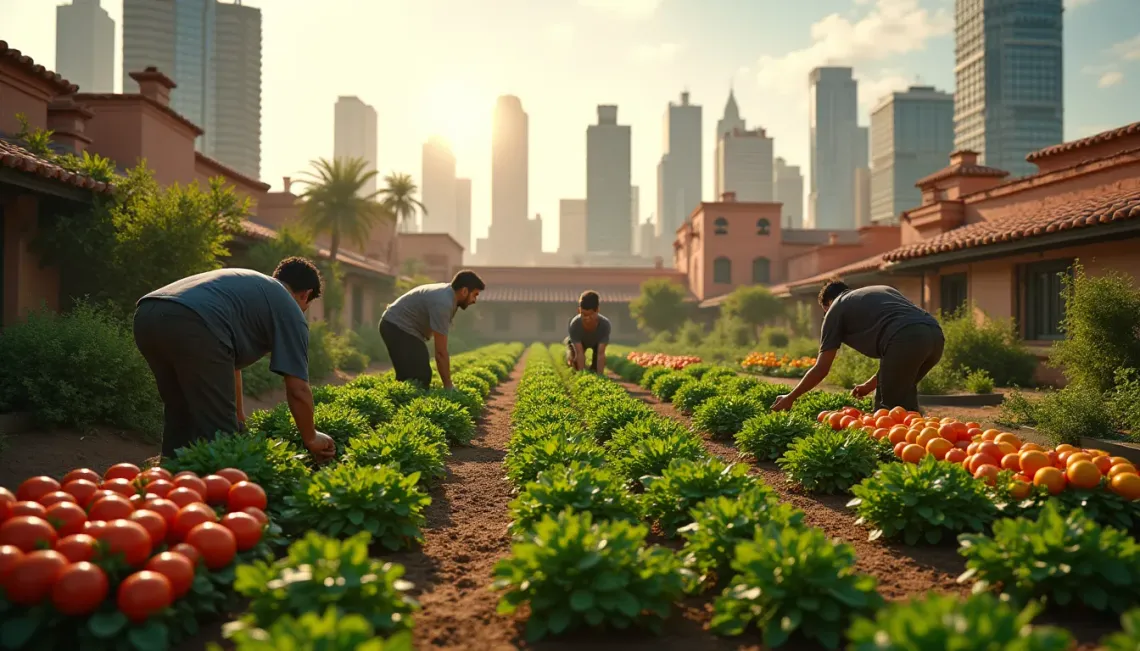
Community gardens offer residents an opportunity to engage in city gardening, producing what they consume and sharing resources and knowledge. These communal spaces encourage sustainable practices and foster cooperation among participants.
Challenges and Opportunities
Despite the clear benefits, urban farming initiatives also face challenges, such as zoning restrictions, initial setup costs, and access to resources. However, the rise in public awareness and support from local governments presents opportunities for scaling these projects. Solutions like policy advocacy and partnerships with non-profits can propel the growth of urban farming across cities globally.
The Future of Urban Agriculture
Urban farming holds the potential to redefine city infrastructure. Future trends indicate an increase in \"smart\" green spaces and smart city gardening systems, integrating technology with nature. These developments can bolster food security, promote biodiversity, and create self-sufficient urban environments.
As we continue to seek harmony between urban development and ecological sustainability, urban farming stands out as a beacon of hope. By consistently integrating community gardens and sustainable agriculture within our cityscapes, we can transform our urban areas into green havens, nurturing both people and the planet.
For further insights into sustainable living practices, consider exploring related topics such as eco-friendly lifestyle choices and renewable energy solutions to continue your journey towards a greener future.