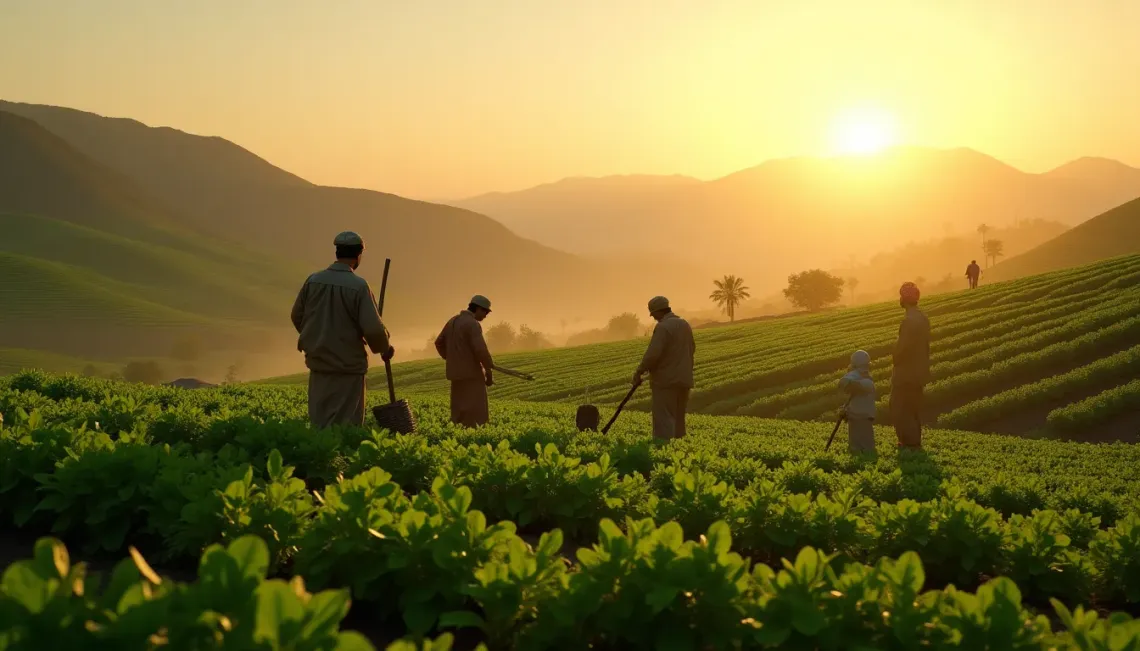
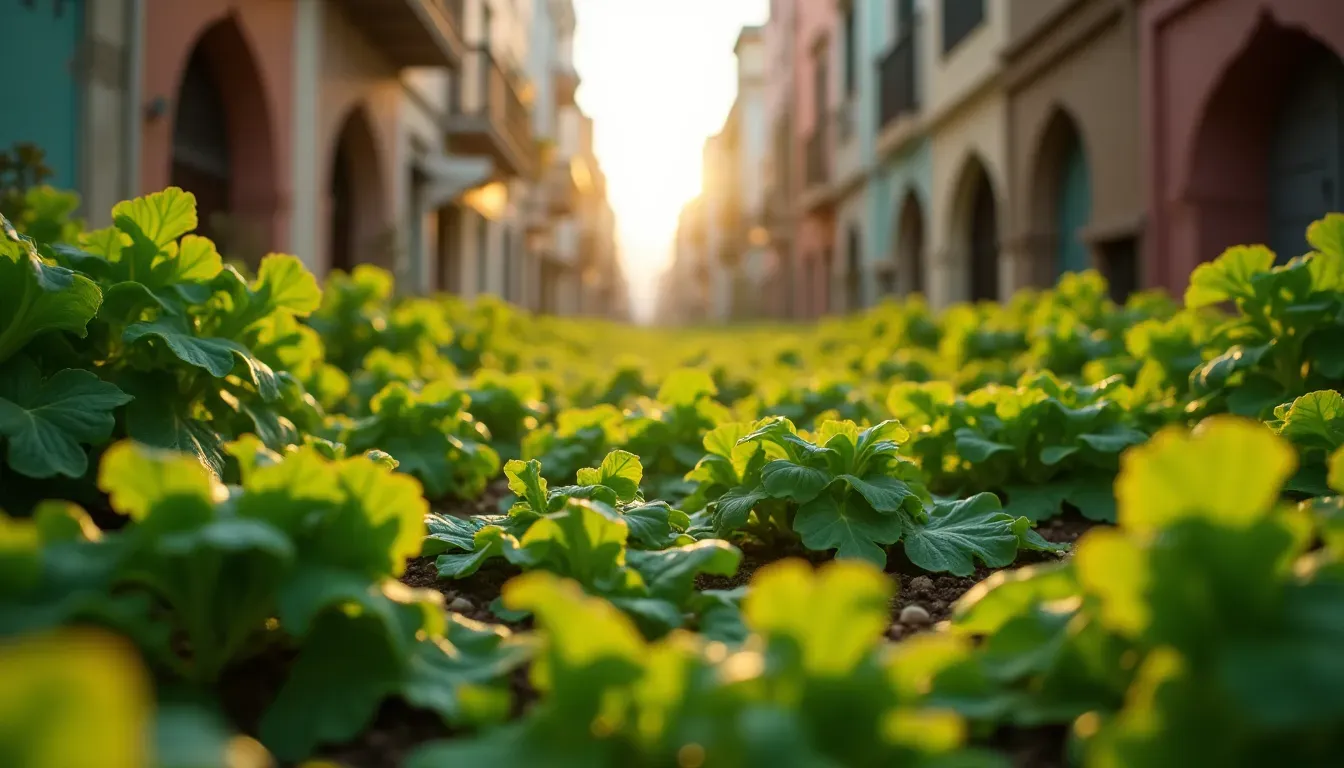
As cities around the globe become more congested, finding sustainable ways to grow fresh produce is increasingly important. In Morocco, urban farming is emerging as a viable solution for cultivating fresh produce in city spaces. This innovative approach not only supplies urban dwellers with fresh vegetables and herbs but also supports environmental sustainability and food security.
The Rise of Urban Farming in Morocco
Urban farming in Morocco has gained momentum over the last decade. As cities like Casablanca, Rabat, and Marrakech expand, city planners and residents alike are turning to rooftop gardens, community plots, and vertical farms. This movement is enabled by several factors:
- Government Support: The Moroccan government has initiated programs to encourage urban agriculture as part of its national strategy for food security.
- Community Initiatives: Local communities are forming cooperatives to manage and promote urban farming practices.
- Technological Innovations: Tools like hydroponics and aquaponics are being utilized to maximize yield in limited spaces.
Benefits of Cultivating Fresh Produce in City Spaces
Urban farming offers numerous benefits to both individuals and communities in Morocco. These include:
- Food Security: By cultivating fresh produce within city limits, urban farming reduces dependency on rural agricultural imports and ensures a steady food supply.
- Environmental Impact: Growing food locally reduces the carbon footprint associated with transportation. Additionally, green city spaces help reduce urban heat and improve air quality.
- Economic Opportunities: Urban farming creates business ventures and job opportunities in cities, contributing to the local economy.
- Community Well-Being: These initiatives promote community bonding and provide educational opportunities about sustainable practices.
Challenges Facing Urban Farming in Morocco
Despite its benefits, urban farming in Morocco faces several challenges:
- Space Limitations: Finding adequate space in densely populated cities can be difficult, especially in older neighborhoods with limited rooftop or garden areas.
- Water Scarcity: Morocco's climate poses a challenge, as water resources must be managed carefully to support urban agriculture without compromising other needs.
- Regulatory Barriers: Navigating urban governance and regulations can be complex for new urban farming initiatives, requiring adequate policy support and advocacy.
Future Prospects of Urban Farming in Morocco
The future of urban farming in Morocco looks promising. As more Moroccans become aware of its benefits, this sustainable practice is likely to spread further across city landscapes. Potential growth areas include:
- Innovative approaches such as vertical farming and stacked container gardens to maximize limited space.
- Expanding educational programs to teach urban farming skills to city residents.
- Continued government support to improve infrastructure and legal frameworks supporting urban agriculture.
Urban farming in Morocco, with its focus on cultivating fresh produce in city spaces, represents a pivotal shift towards sustainable urban living. By investing in this green revolution, Morocco can significantly enhance its urban environments, ensuring resilient and thriving communities for years to come.