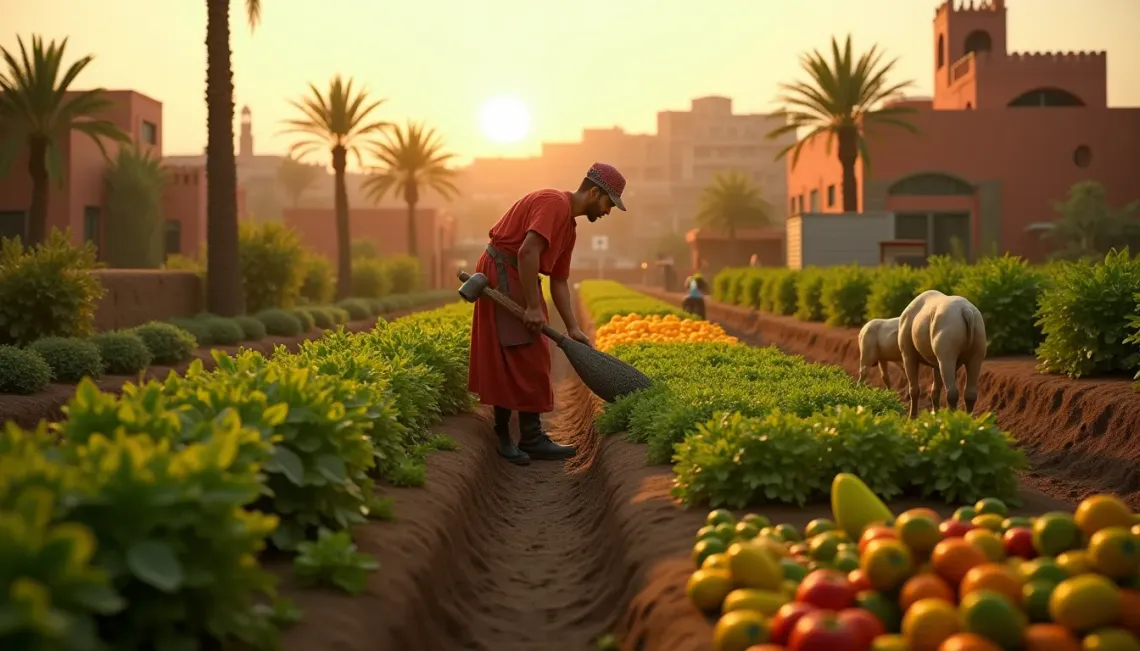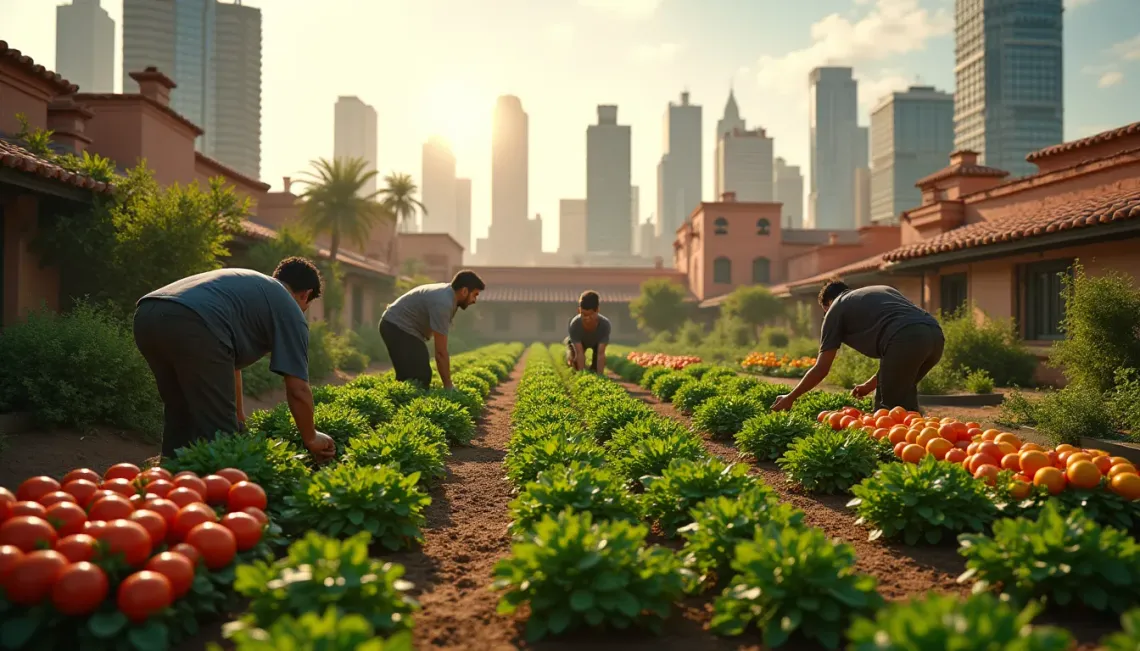
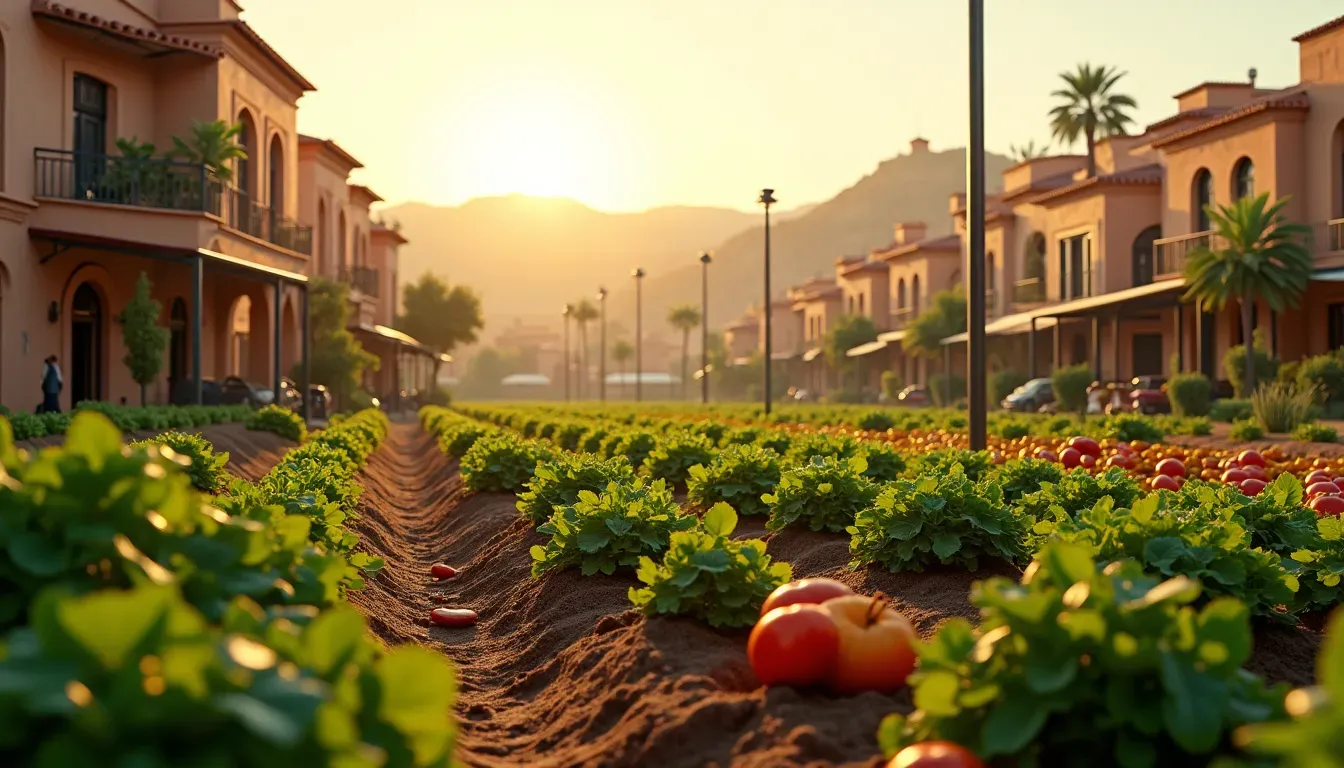
Urban farming in Morocco is emerging as a promising practice that not only enhances sustainable agriculture but also plays a critical role in ensuring food security for urban dwellers. As cities experience rapid population growth, the demand for local produce has surged, necessitating innovative approaches to agricultural practices.
Understanding Urban Farming in Morocco
Morocco, like many countries, faces the dual challenges of urbanization and food scarcity. Urban farming refers to the cultivation of crops and rearing of animals within metropolitan areas, which contributes to sustainable agriculture. This practice is gaining traction across Moroccan cities as residents recognize the need to mitigate the impacts of climate change and food insecurity.
The Role of Sustainable Agriculture
The embrace of sustainable agriculture techniques is pivotal for the success of urban farming in Morocco. These methods are environmentally friendly and ensure that local produce is grown without depleting natural resources. Techniques such as vertical farming, hydroponics, and permaculture are being adopted to maximize productivity in limited urban spaces.
Key benefits of sustainable agriculture in urban settings include:
- Reduction in transportation costs and carbon emissions due to locally sourced produce
- Efficient use of water and other natural resources
- Promotion of biodiversity and ecological balance in urban areas
Enhancing Food Security
Food security remains a pressing issue in many urban areas, and urban farming in Morocco addresses this by providing fresh, local produce directly to city residents. By increasing the availability of nutritious foods, it directly confronts the challenges of hunger and malnutrition.
Economic and Social Impacts
Beyond the environmental benefits, urban farming also fosters economic growth and social cohesion. As more urban residents engage in farming activities, new job opportunities arise, reducing unemployment rates in cities. Moreover, the community-driven nature of urban farming initiatives helps to strengthen social ties and promotes a sense of collective responsibility towards sustainable living.
Urban farming in Morocco also stimulates local economies by encouraging the establishment of farmers’ markets and promoting entrepreneurship in agriculture-related fields. These local markets provide city dwellers with access to affordable and fresh local produce, enhancing overall wellbeing.
Challenges and Future Prospects
Despite its potential, urban farming in Morocco faces several challenges, including limited space, water scarcity, and regulatory hurdles. Addressing these issues requires collaborative efforts among government bodies, private sectors, and community organizations. Strategic policies that support urban agricultural practices, along with public awareness initiatives about the benefits of sustainable agriculture, can greatly expand the impact of urban farming.
Future prospects for urban farming in Morocco appear promising as it continues to evolve with technological advancements and increased investment. By integrating innovations such as smart agriculture and data-driven farming practices, urban farming can become more efficient and scalable.
As Morocco looks to achieve greater food security, urban farming stands out as a sustainable solution that aligns with both ecological preservation and economic growth. Through continuous support and adaptation, it holds the potential to transform Moroccan cities into resilient, self-sufficient urban communities.