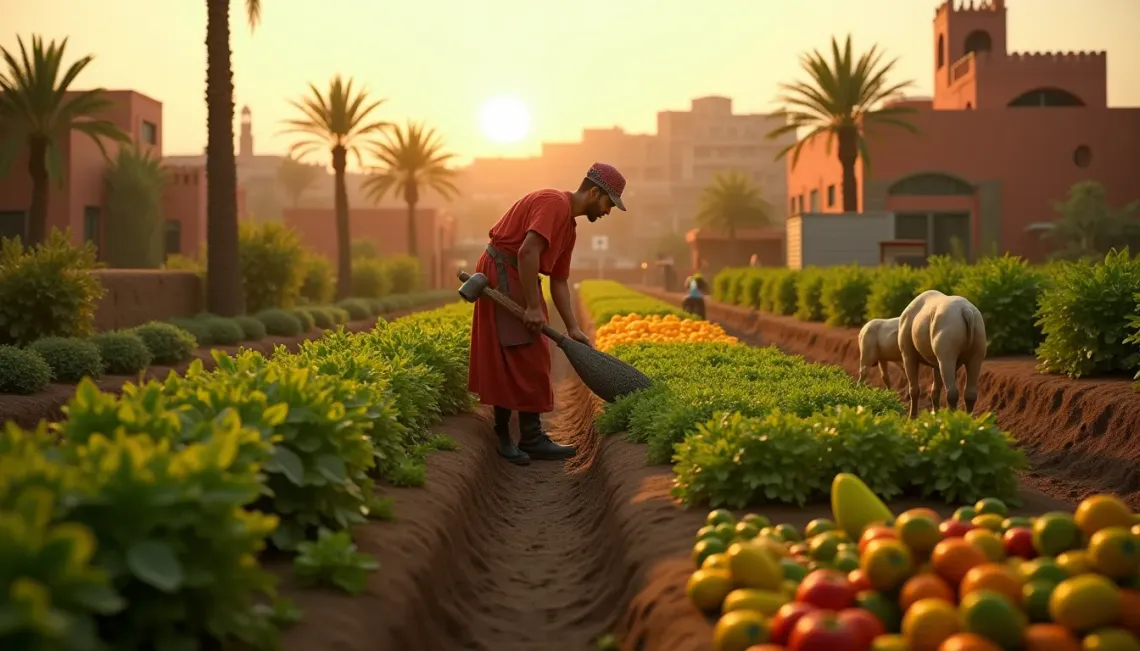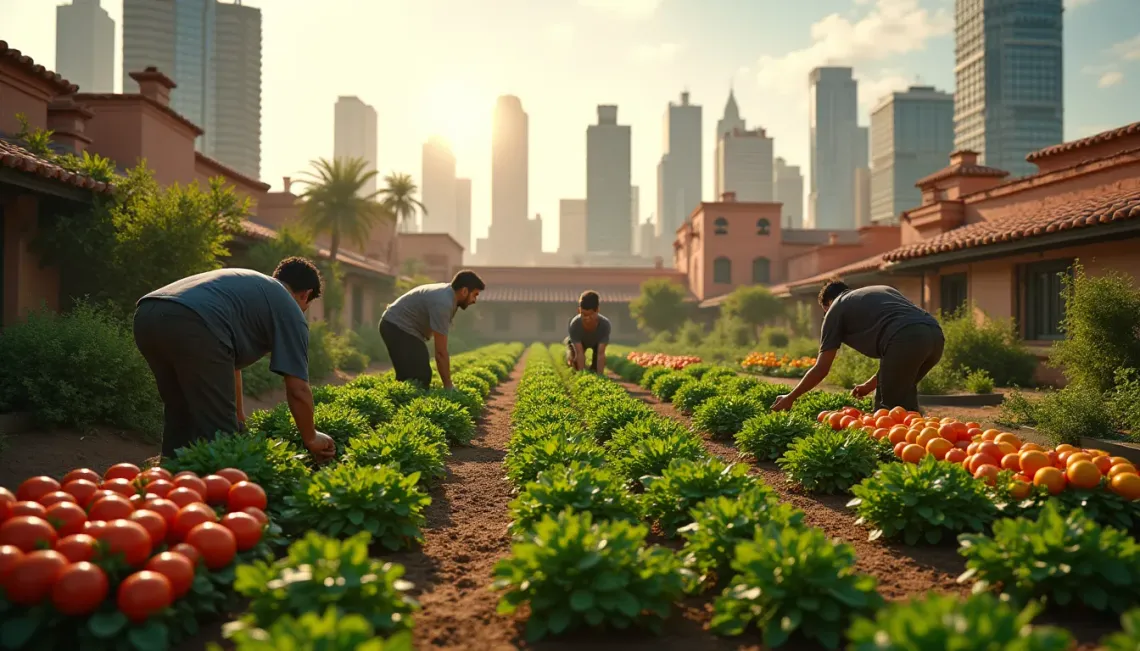
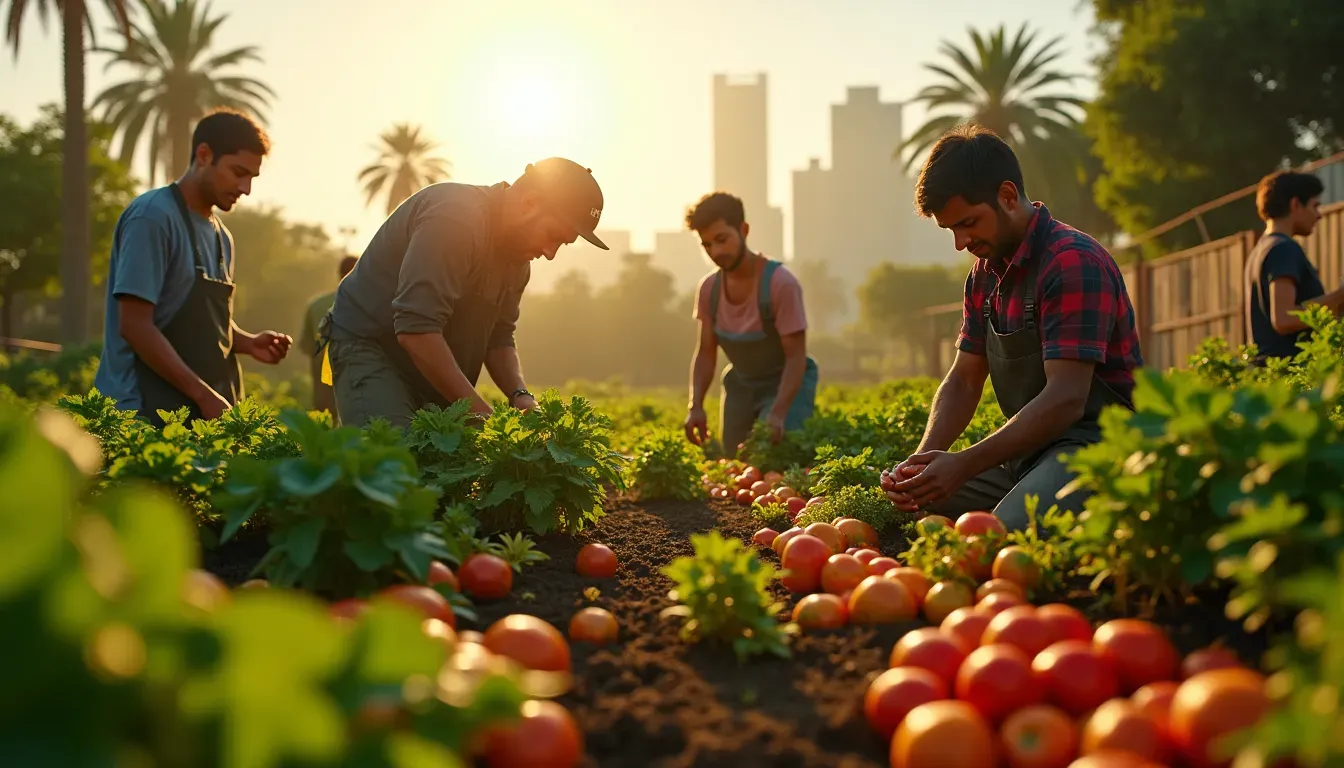
Urban farming in Casablanca is paving the way for a new era of city agriculture. This innovative approach to growing food not only combats food scarcity but also strengthens community bonds. As one of Morocco's bustling cities, Casablanca offers a unique backdrop for urban farming initiatives that are transforming urban landscapes.
Understanding Urban Farming in Casablanca
Casablanca’s urban farming movement is gaining momentum, reflecting a global trend towards sustainable city agriculture. By converting rooftops and vacant lots into productive gardens, urban farming harnesses the power of local resources. This form of agriculture not only contributes to growing food but also promotes ecological balance and reduces the city’s carbon footprint.
The Benefits of Urban Farming
- Environmental Improvement: Urban farms help mitigate urban heat, improve air quality, and conserve rainwater.
- Community Building: Shared gardens foster a sense of community, bringing neighbors together in a common purpose.
- Food Security: Growing food locally reduces dependence on imported produce, ensuring a consistent food supply.
Community Engagement in Urban Farming
Urban farming in Casablanca is not just about agriculture—it's about community. City residents collaborate to cultivate spaces that provide fresh, organic produce and also serve as community centers. These urban farms offer educational workshops, teaching skills ranging from composting to sustainable gardening practices.
Case Studies: Success Stories in City Agriculture
Several neighborhoods in Casablanca have successfully implemented urban farming projects:
- Rooftop Gardens: Transforming high-rise rooftops into lush gardens, these projects maximize limited space for growing food.
- Community Orchards: Shared fruit trees in parks and public spaces enhance local biodiversity and provide free access to fresh fruits.
Challenges and Opportunities in Urban Farming
While urban farming in Casablanca offers numerous benefits, it does face challenges such as limited space and regulatory hurdles. However, the city’s commitment to sustainable development is driving supportive policies that encourage the expansion of urban agriculture. By addressing these challenges, Casablanca can further its leadership in sustainable urban living.
Future Prospects of Urban Farming
The future of urban farming in Casablanca looks promising. As the community becomes more involved, new technologies and methods of city agriculture are likely to emerge. Initiatives such as aquaponics and vertical gardens are expected to revolutionize how we approach growing food in urban settings.
In conclusion, urban farming in Casablanca represents a blend of traditional agricultural practices and modern urban living. Through community engagement, sustainable practices, and innovative solutions, Casablanca is setting an example of how city agriculture can flourish. As the movement grows, it will continue to enhance the community and offer a sustainable food source for the city.