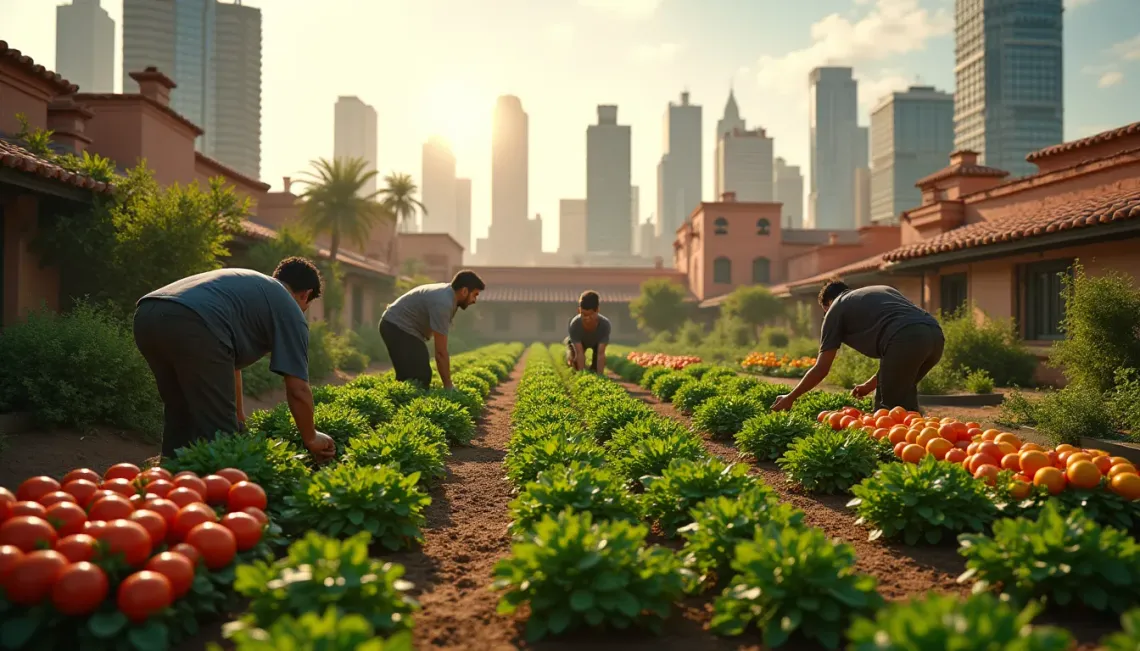
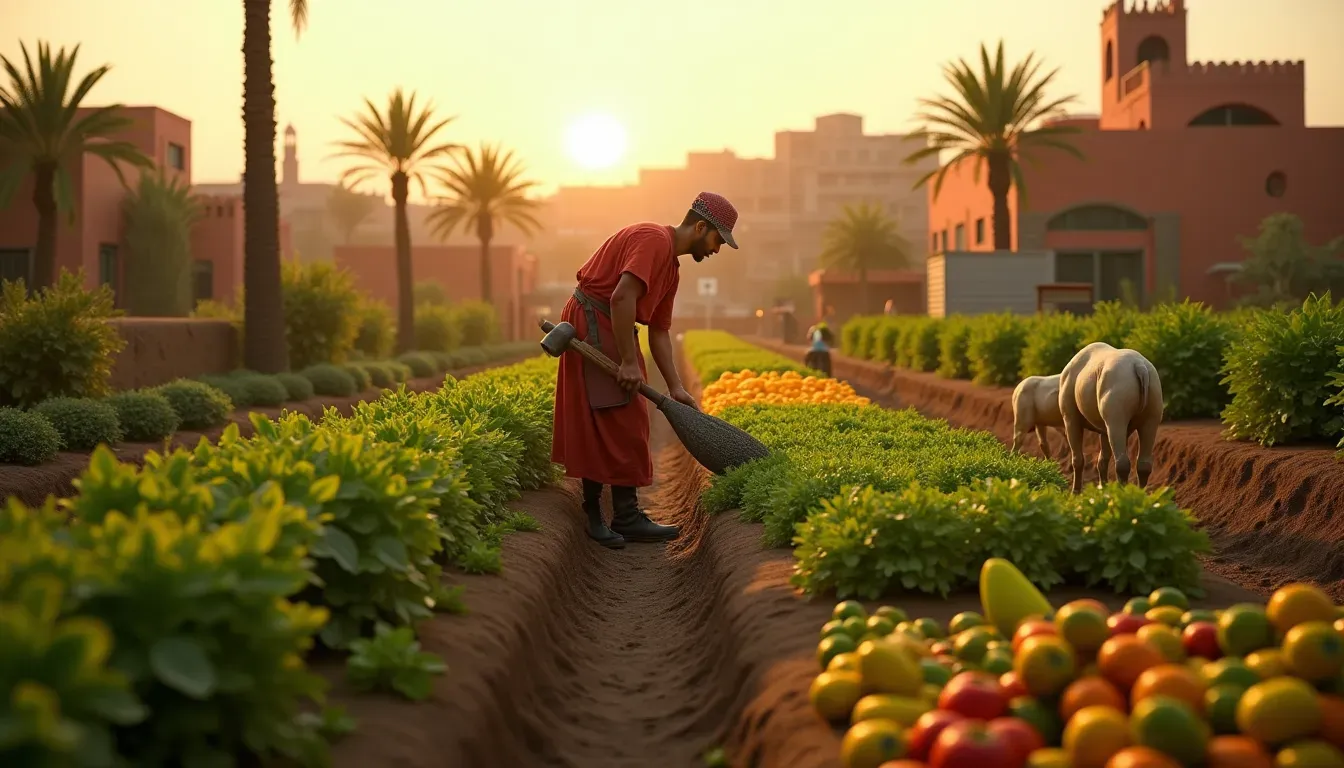
In recent years, urban farming has emerged as a vital component in enhancing food security across the globe, especially within the context of Moroccan agriculture. This sustainable agriculture practice not only utilizes limited urban spaces efficiently but also significantly contributes to the nation's food supply chain. As Morocco faces continuous challenges in ensuring food security for its growing population, urban agriculture offers a promising solution.
Urban Farming: A Boon for Moroccan Agriculture
Urban farming in Morocco signifies an innovative approach to combat food insecurity while promoting sustainable agriculture. The implementation of urban agriculture translates into diverse benefits, ranging from increased food production to enhanced community engagement within cities. Urban farming involves a variety of techniques, including vertical gardens, rooftop farming, and community gardens, making it a versatile tool for Moroccan cities like Casablanca, Rabat, and Marrakech.
Enhancing Food Security through Urban Agriculture
By integrating urban farming into cityscapes, Morocco is making strides toward a more resilient food security system. The adaptability of urban agriculture to different urban settings ensures that fresh produce is available to city dwellers, reducing dependency on rural agricultural outputs. Such practices are essential in a country where unpredictable climate conditions can threaten traditional farming.
- Localized Food Production: Urban farms produce a significant portion of fruits, vegetables, and herbs consumed locally, minimizing transportation costs and reducing carbon footprints.
- Job Creation: Urban agriculture initiatives generate employment opportunities, especially for women and youth, which is crucial in addressing unemployment in urban areas.
- Community Engagement: Urban farms often double as community hubs, fostering connections and shared ownership amongst residents.
Challenges and Opportunities in Urban Farming
Despite the numerous advantages, urban farming in Morocco faces several challenges. Limited access to land, water scarcity, and regulatory hurdles can impede the development of urban agriculture. However, government policies and initiatives promoting urban farming can turn these challenges into opportunities. By adopting sustainable agriculture practices, Moroccan cities can overcome these barriers and create robust, eco-friendly urban ecosystems.
Pioneering a Sustainable Agricultural Future
To fully harness the potential of urban farming for food security, Morocco must focus on education and innovation. Training programs that equip residents with the skills needed to engage in urban agriculture will be imperative. Additionally, adopting smart technologies, such as hydroponics and aquaponics, can significantly boost productivity in urban farms.
Ultimately, urban farming is poised to play a pivotal role in reshaping Moroccan agriculture. With the right support and integration within urban planning strategies, urban agriculture can ensure a stable food supply, promote sustainability, and bolster food security across Morocco.
In conclusion, urban farming stands as a testament to Morocco's commitment to addressing food security challenges through sustainable agriculture. As urban centers continue to expand, the integration of urban agriculture into cityscapes will be crucial in fostering a self-sufficient and resilient Moroccan agricultural future.