Morocco, located at the crossroads of Africa and Europe, stands out for its diverse ecology, a haven of unique biodiversity. Occupying a strategic part of North Africa, the country's ecosystems are a remarkable tapestry of geographical and biological features. Understanding Morocco's ecology not only showcases its natural beauty but also emphasizes the crucial importance of environmental conservation in the region.
Rich Diversity of Moroccan Landscapes
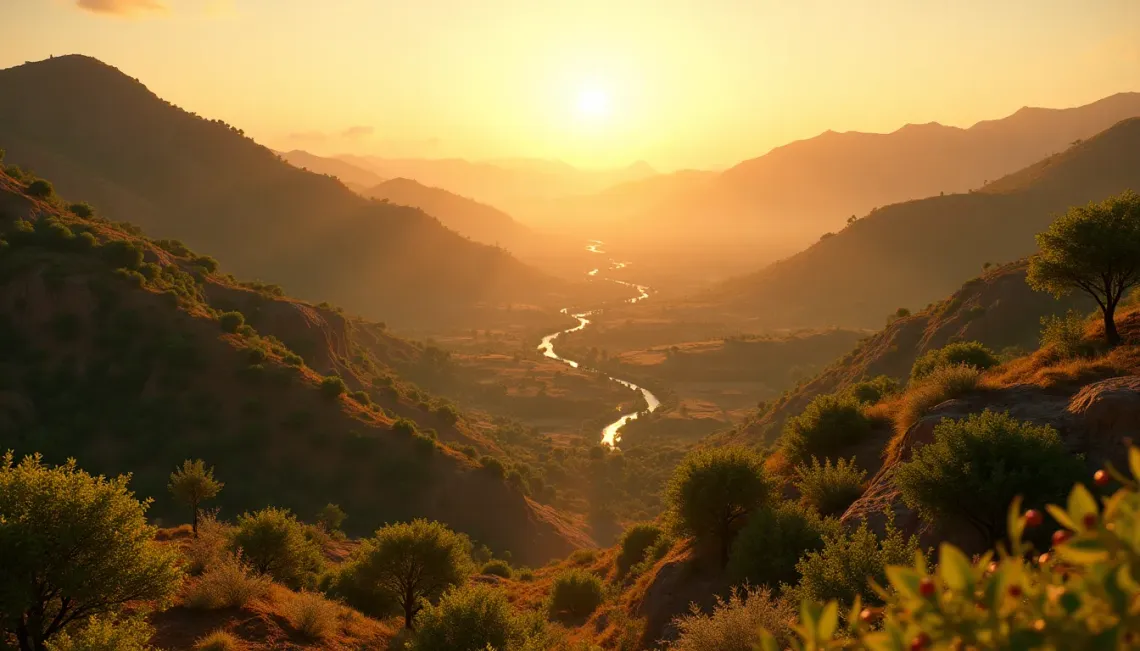
The heart of Morocco's ecology lies in its varied landscapes. From the snowy peaks of the Atlas Mountains to the arid expanses of the Sahara Desert, each region supports distinct ecosystems housing a plethora of wildlife habitats. Coastal areas along the Mediterranean and Atlantic Ocean further enrich this ecological diversity, yielding marine environments teeming with life.
Mountain Ecosystems
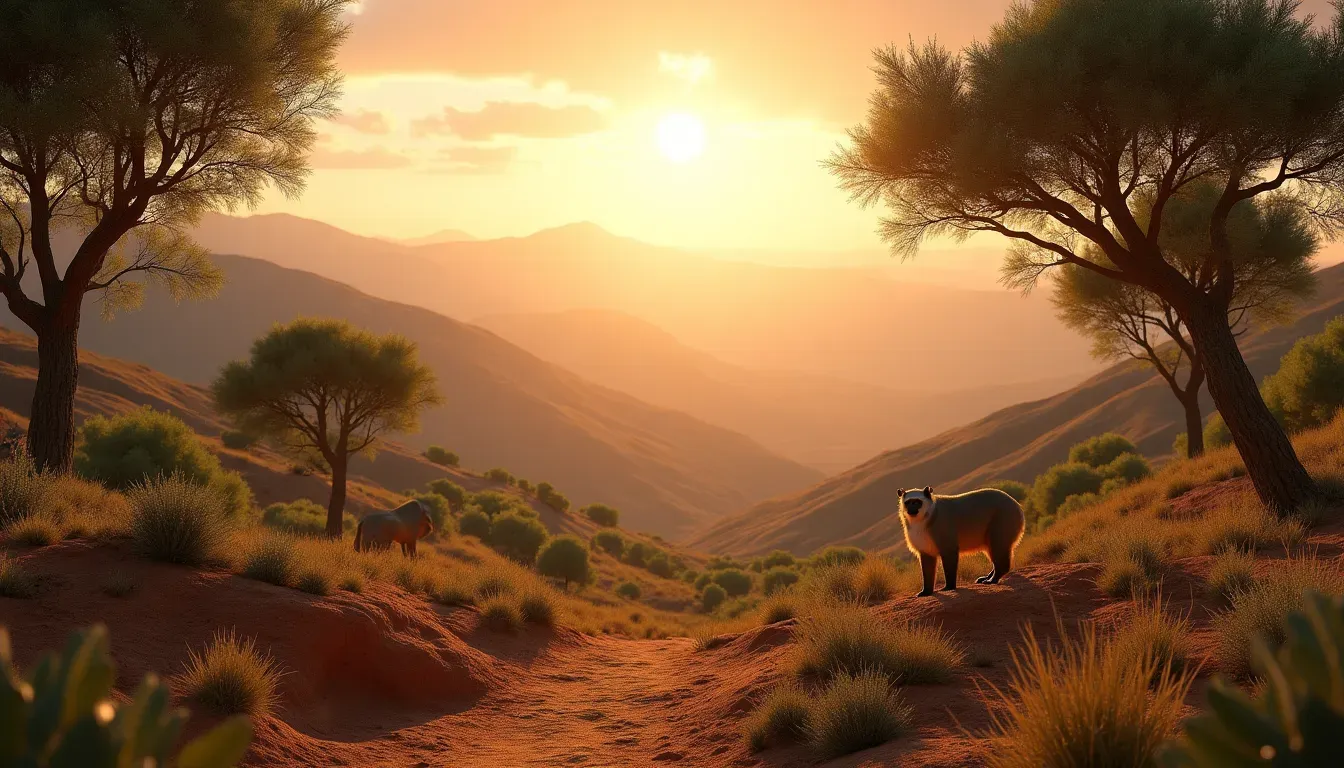
The Atlas and Rif Mountains form the backbone of Morocco's unique biodiversity. These highlands are home to rare plant species and endangered wildlife, such as the Barbary macaque. Particularly, the cedar and oak forests present in these regions are critical for carbon sequestration and serve as buffers against climate change, making conservation efforts here particularly significant.
Saharan and Coastal Zones
Morocco's portion of the Sahara Desert hosts specialized desert ecosystems that are adapted to extreme conditions. Meanwhile, its coastal regions provide rich marine ecosystems where fishing plays a vital economic and ecological role. The intersection of these ecoregions supports varied habitats that are hotspots for conservationists aiming to preserve species at risk of extinction.
Environmental Conservation in Morocco
Efforts in environmental conservation in Morocco focus on balancing human activities with the need to maintain the country's ecological integrity. Conservation programs target overgrazing, deforestation, and resource depletion while promoting sustainable development. Key initiatives include:
- Establishing protected areas such as national parks and nature reserves.
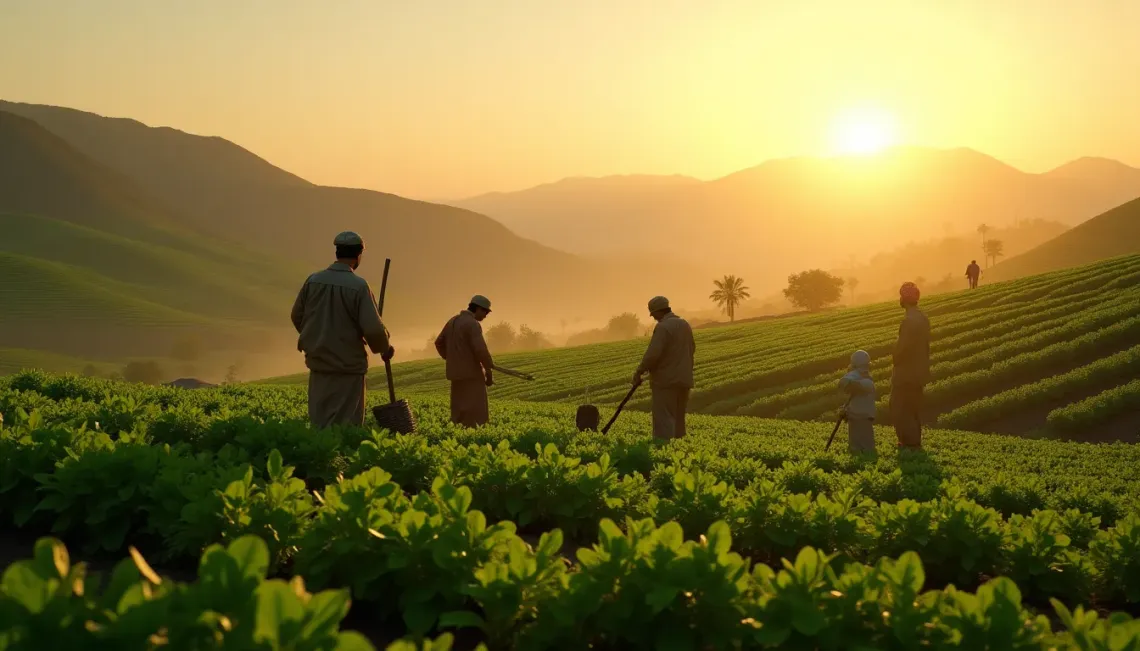
- Promoting sustainable agriculture and land-use practices.
- Enhancing biodiversity through reforestation and habitat restoration projects.
These endeavors are crucial for preserving Morocco's wildlife habitats and ensuring the sustainability of its unique ecosystems.
Community Involvement
Local communities play a pivotal role in environmental conservation. By engaging in eco-friendly practices and traditional knowledge, they contribute to the preservation of North African ecosystems. Education and awareness programs further empower these communities, fostering a culture of conservation that resonates throughout the country.
Conclusion: Protecting Morocco’s Natural Heritage
In summary, Morocco's ecology is a rich blend of landscapes and ecosystems, which underpin the importance of environmental conservation. As the country seeks to protect its unique biodiversity and wildlife habitats, its commitment to sustainable practices emerges as critical for its ecological and economic future. Understanding and supporting these efforts will ensure that Morocco's spectacular natural heritage continues to thrive.
For more insights into the environmental challenges facing North Africa, consider exploring North Africa's environmental challenges.