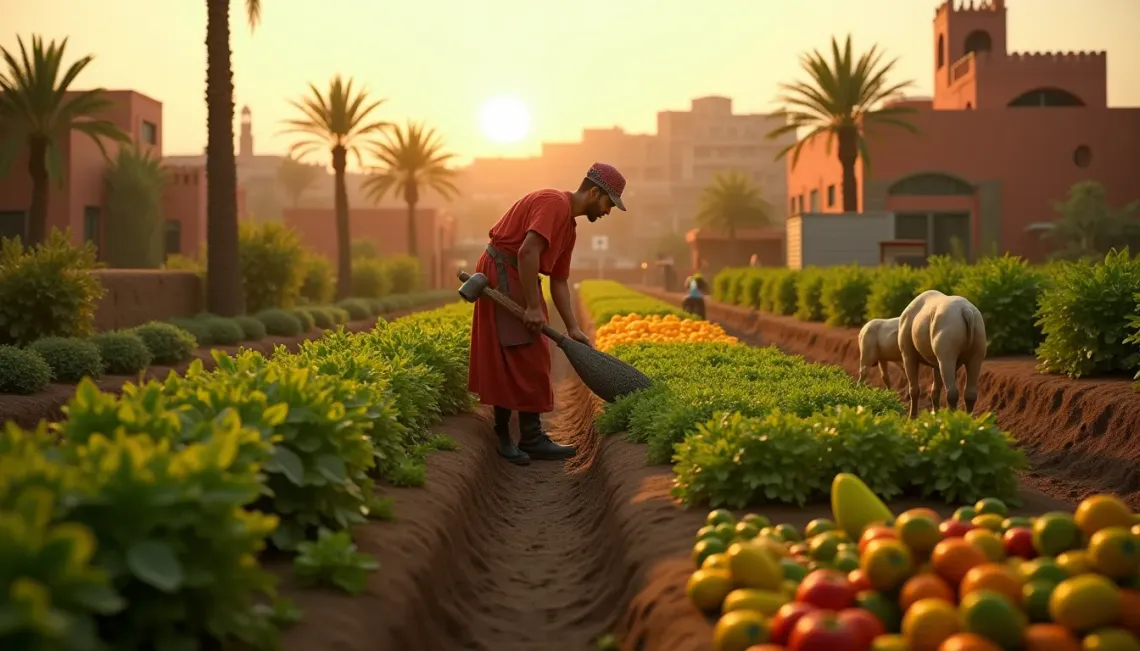
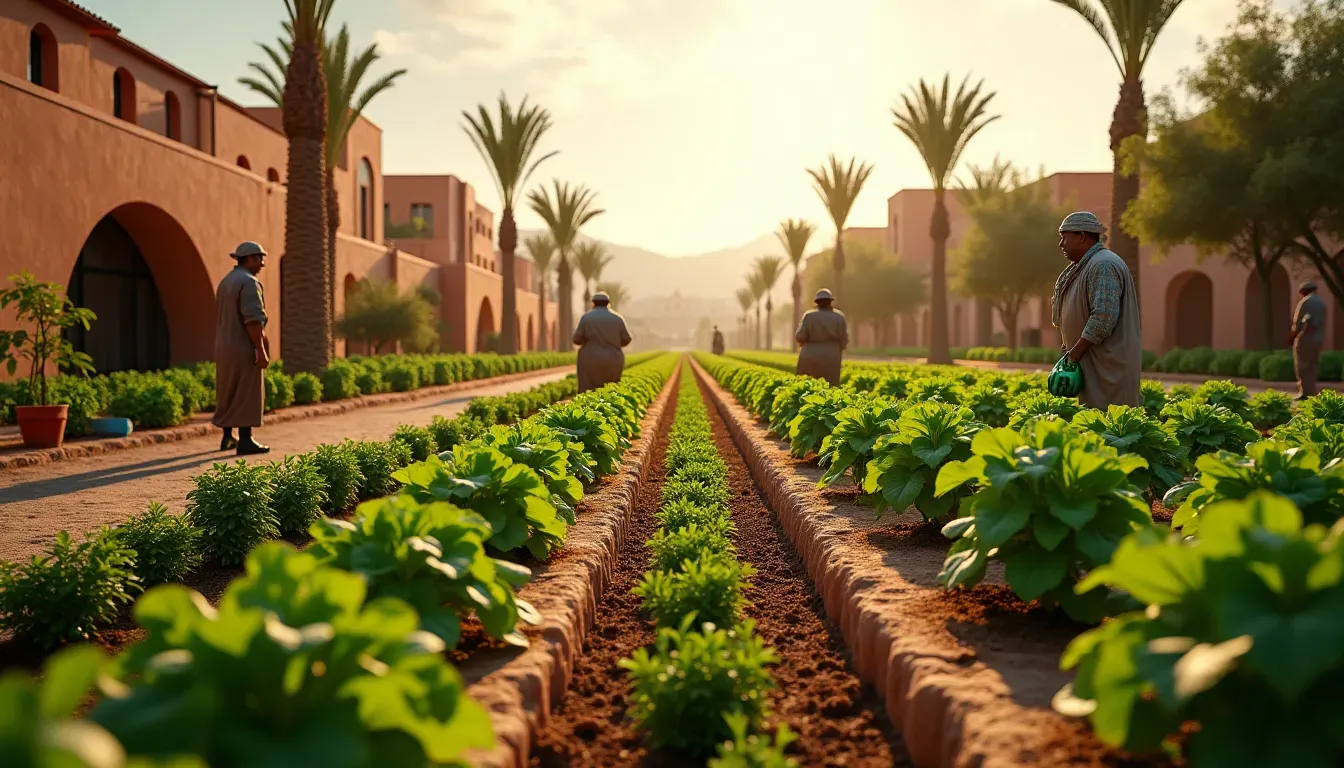
In recent years, the landscape of Moroccan agriculture has experienced a transformation through the urban farming boom. This evolution towards sustainable agriculture is gaining momentum, driven by environmental awareness and innovative practices. Morocco's local communities are now at the forefront of adopting urban agriculture trends, paving the way for a greener future.
Understanding Urban Farming in Morocco
Urban farming refers to the practice of cultivating, processing, and distributing food in or around urban areas. In Morocco, this concept is becoming increasingly popular as it aligns with the goals of sustainable agriculture. By integrating food production into urban planning, Moroccan cities are not only greening their landscapes but also improving food security and community health.
Trends in Urban Agriculture
- Vertical Farming: With limited land space in urban settings, vertical farming has emerged as a viable solution. Stacked layers allow for increased production within small areas, optimizing resources and minimizing environmental impact.
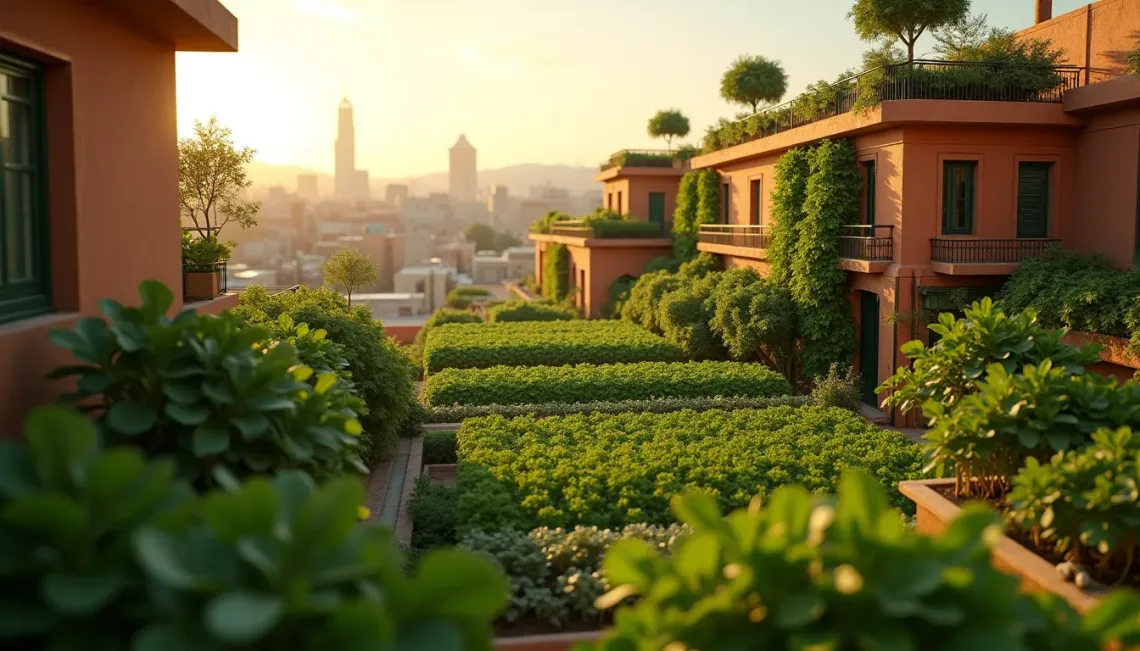
- Rooftop Gardens: Utilizing rooftops for farming reduces the urban heat island effect and provides fresh vegetables and fruits directly within the city.
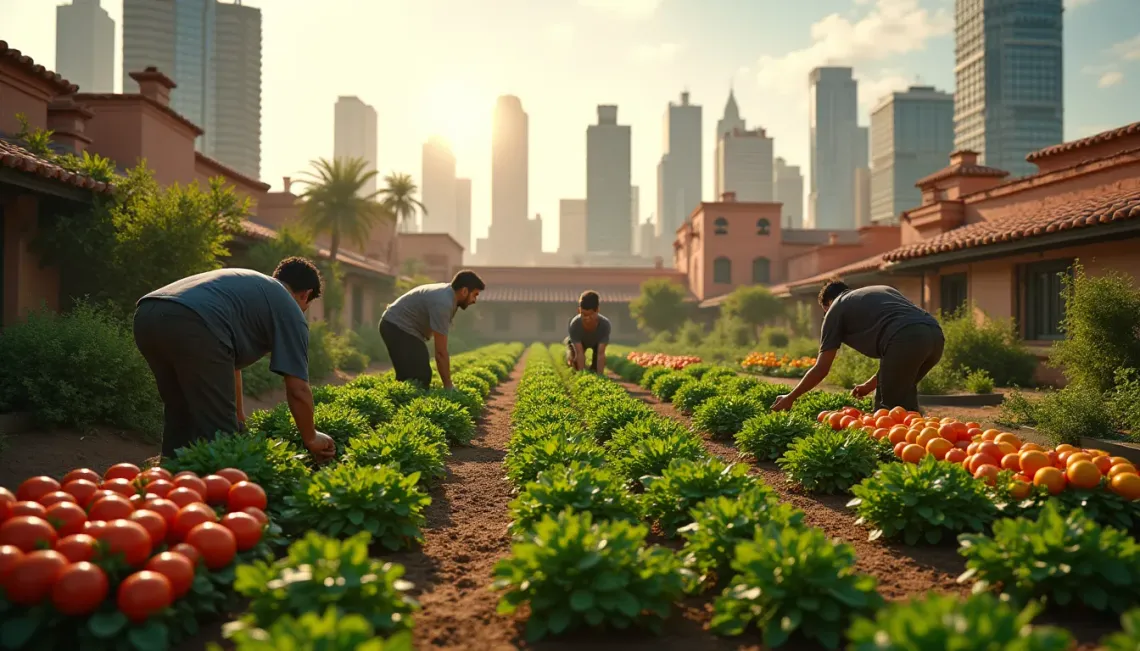
- Community Gardens: Managed by local communities or groups, these spaces foster collaboration, education, and improved nutrition.
- Hydroponics and Aquaponics: These soil-less farming methods are gaining popularity as they use 90% less water than traditional agriculture, a crucial factor in Morocco's often arid climate.
Benefits of Urban Farming for Moroccan Agriculture
The rise of urban farming offers numerous advantages that align closely with the goals of sustainable agriculture in Morocco:
- Enhanced Food Security: By bringing food production closer to urban consumers, the reliance on long supply chains is reduced, stabilizing food availability.
- Environmental Sustainability: Urban farming reduces transportation emissions, promotes biodiversity, and efficiently uses resources such as water and energy.
- Community Engagement: It encourages educational opportunities and civic participation, fostering a sense of ownership and conservation among urban residents.
Challenges in Urban Farming
While urban agriculture trends are promising, there are challenges faced by agriculture in Morocco. Limited space, water scarcity, and regulatory hurdles can impede growth. Addressing these issues with innovative solutions and supportive policies is essential for continued success.
Future of Sustainable Agriculture in Morocco
The future of Moroccan agriculture lies in adopting and adapting to the continously evolving urban agriculture trends. Urban farming not only enriches the environment but also empowers local communities, positioning Morocco as a model for sustainable agriculture solutions. With continued support from governmental and private sectors, the integration of urban farming could significantly enhance Morocco's agricultural output and resilience.
The urban farming boom is more than a trend; it's a valuable component of the agricultural evolution in Morocco. By embracing these new trends in Moroccan agriculture, the nation can pave the way for a sustainable and eco-friendly future. For more information on sustainable practices, visit our Sustainable Agriculture Practices page.