
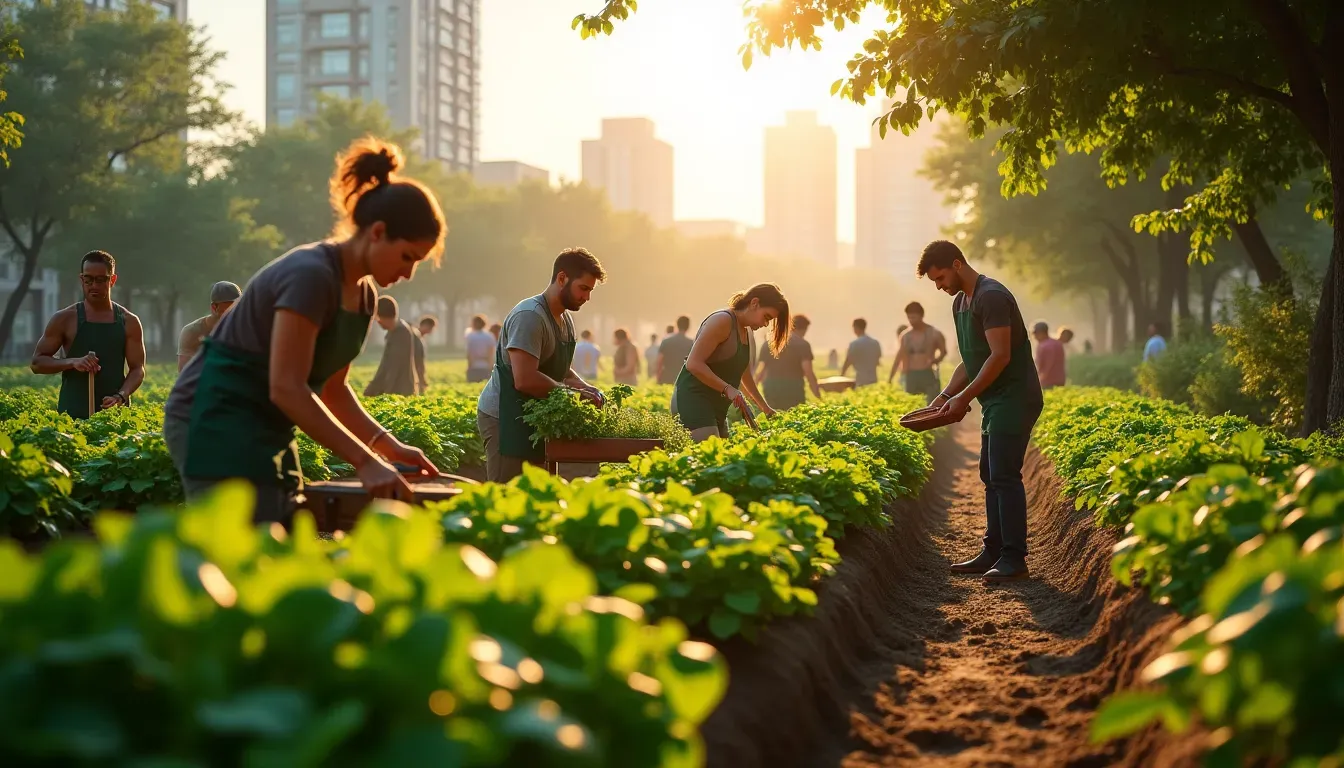
Urban farming success hinges not just on individual effort but significantly on community cooperation and innovation. As cities continue to expand, the integration of urban agriculture into city life becomes not only a necessity but also an opportunity for sustainable farming practices. This exploration delves into how community cooperation and inventive practices are the backbone of successful urban agriculture.
Understanding Urban Farming Success
The concept of urban farming success is multifaceted, involving efficient techniques, community involvement, and innovative solutions. Urban agriculture refers to the cultivation, processing, and distribution of food within urban areas. As more people migrate to cities, the demand for locally-sourced, fresh produce is increasing. To meet this demand, sustainable farming practices are being employed to maximize limited space and resources.
The Role of Community Cooperation
Community cooperation is essential for urban farming success. By fostering a sense of shared purpose, communities can pool resources, share knowledge, and create a resilient food network. Some ways communities are cooperating include:
- Community-Supported Agriculture (CSA) Programs: Residents invest in local farms, receiving fresh produce in return, which provides farms with crucial startup capital.
- Shared Space Initiatives: Utilizing communal spaces like rooftops and community gardens to grow produce collaboratively.
- Educational Workshops: Offering training sessions on sustainable farming techniques that empower residents to actively participate.
Embracing Innovation in Urban Agriculture
Innovation is a vital component for overcoming the challenges posed by urban settings. By infusing technology and creative strategies into agricultural practices, urban farmers can enhance productivity and sustainability. Key innovations include:
- Vertical Farming: Maximizing space usage by growing crops in stacked layers, often incorporating hydroponics or aeroponics.
- Smart Agriculture Technologies: Utilizing IoT devices and sensors to monitor soil health, weather conditions, and crop growth for efficient resource management.
- Composting and Waste Reduction: Transforming organic waste into nutrient-rich soil to sustain growth and minimize landfill contributions.
Sustainable Farming Practices
Sustainable farming serves as the foundation for thriving urban agriculture. By integrating practices such as crop rotation, permaculture, and organic farming, urban farms can maintain soil health and biodiversity. These practices not only support the environment but also ensure long-term productivity and urban farming success.
Interconnectedness with Related Urban Initiatives
Urban farming is intrinsically linked to other sustainable initiatives such as green architecture, renewable energy, and public health programs. By collaborating across these domains, cities can foster environments that promote health and sustainability. Involved stakeholders often share resources and expertise to bolster urban agriculture's impacts.
In conclusion, the secret to urban farming success lies in the powerful combination of community cooperation and innovation. By leveraging collective efforts and embracing creative advancements, urban agriculture can thrive, offering a sustainable solution to urban food challenges. As communities continue to innovate and collaborate, the potential for achieving widespread, sustainable farming in urban environments becomes a reality worth pursuing.