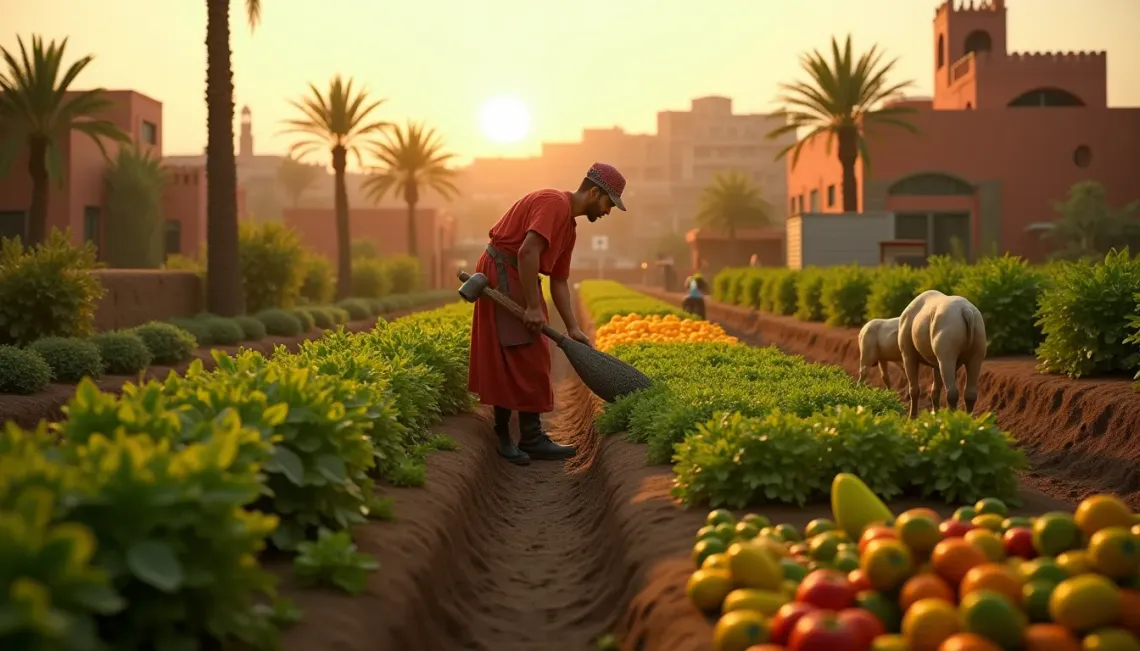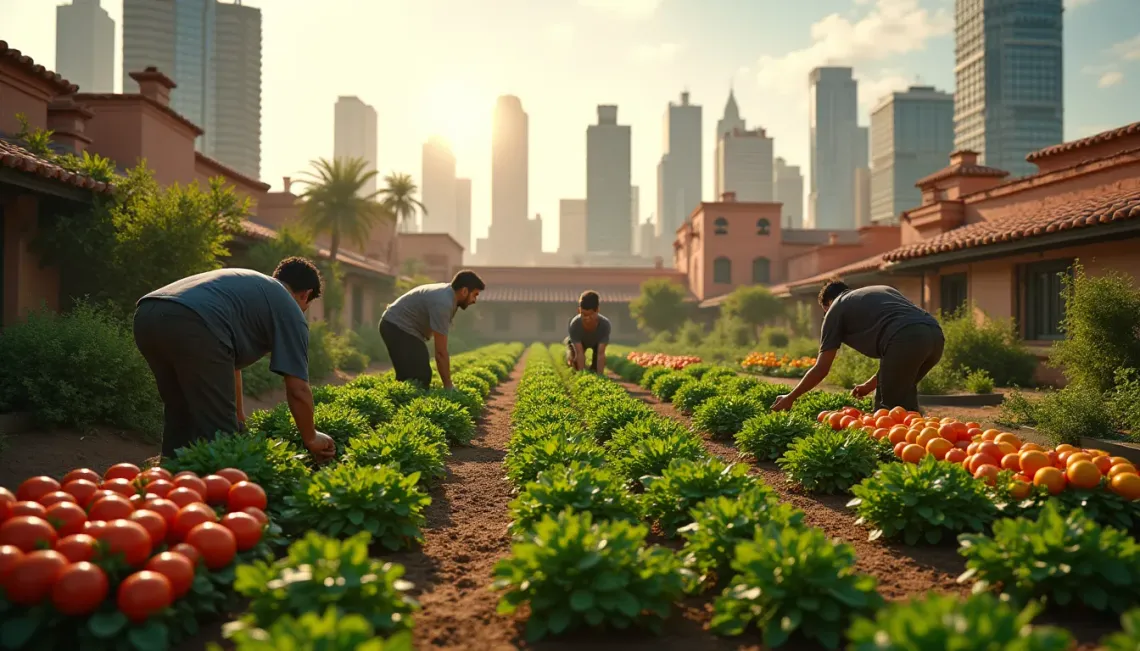
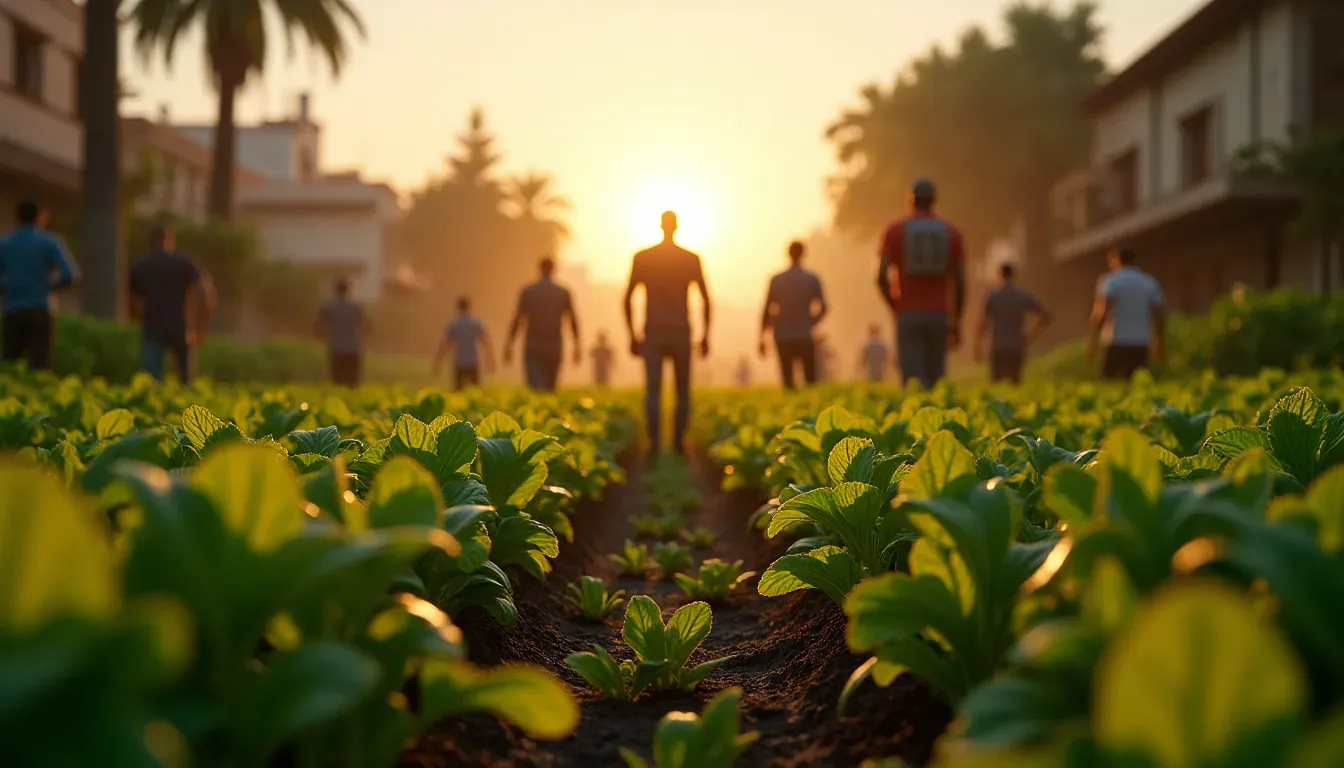
Urban farming is transforming how Moroccan communities interact with their environment and contribute to ecosystem sustainability. As global trends lean towards sustainable agriculture, urban farming in Morocco stands out as an innovative – and necessary – approach to community development and ecosystem preservation.
Understanding Urban Farming in Morocco
Urban farming, a practice that involves growing, processing, and distributing food in or around urban areas, has gained significant traction in Moroccan cities. This approach serves as a solution to the growing demand for sustainable agriculture while addressing food security concerns in densely populated areas.
The Rise of Urban Farming in Moroccan Communities
Several factors have accelerated the adoption of urban farming in Moroccan communities:
- Increased Awareness: Citizens are becoming increasingly aware of the benefits of consuming locally grown produce.
- Government Initiatives: Policies promoting green spaces and community gardens have been implemented at various levels.
- Community Engagement: Urban farming projects often foster stronger community ties, promoting collaborative efforts towards common agricultural goals.
Impact on Ecosystems
The impact of urban farming on local ecosystems is profound. It contributes to ecosystem resilience by:
- Promoting Biodiversity: Diverse plantings foster habitats for various species, enhancing local biodiversity.
- Reducing Carbon Footprint: By minimizing the distance food travels from farm to table, urban farming significantly cuts down on greenhouse gas emissions.
- Enhancing Soil Quality: Practices like composting and organic farming improve soil fertility and health over time.
Sustainable Agriculture Practices
Urban farms in Morocco are adopting sustainable agriculture practices to ensure minimal environmental impact. These include hydroponics, permaculture, and the use of organic fertilizers. Such methods not only improve yield but also protect the natural ecosystem from harmful chemicals and overexploitation.
Contribution to Community Development
Urban farming plays a crucial role in the socioeconomic development of Moroccan communities. Here's how:
- Job Creation: The establishment of urban farms creates employment opportunities, particularly for youth and women.
- Food Security: By providing access to fresh, affordable produce, urban farming helps combat food scarcity issues.
- Educational Opportunities: Urban farms serve as educational hubs where residents can learn about sustainable practices and nutrition.
Challenges and Opportunities
While urban farming offers numerous benefits, it faces challenges such as limited space, water scarcity, and initial set-up costs. However, these challenges also present opportunities for innovation and technological advancement, propelling urban farming initiatives forward.
Related Topics and Further Reading
For those interested in exploring similar topics, consider reading about traditional Moroccan agriculture methods and the importance of water conservation in Morocco. These subjects provide further insights into sustainable practices in the region.
In conclusion, the growth of urban farming in Moroccan communities reflects a significant shift towards sustainable agriculture and community development. By enhancing ecosystem impact and promoting social benefits, urban farming is poised to play a pivotal role in Morocco’s future.