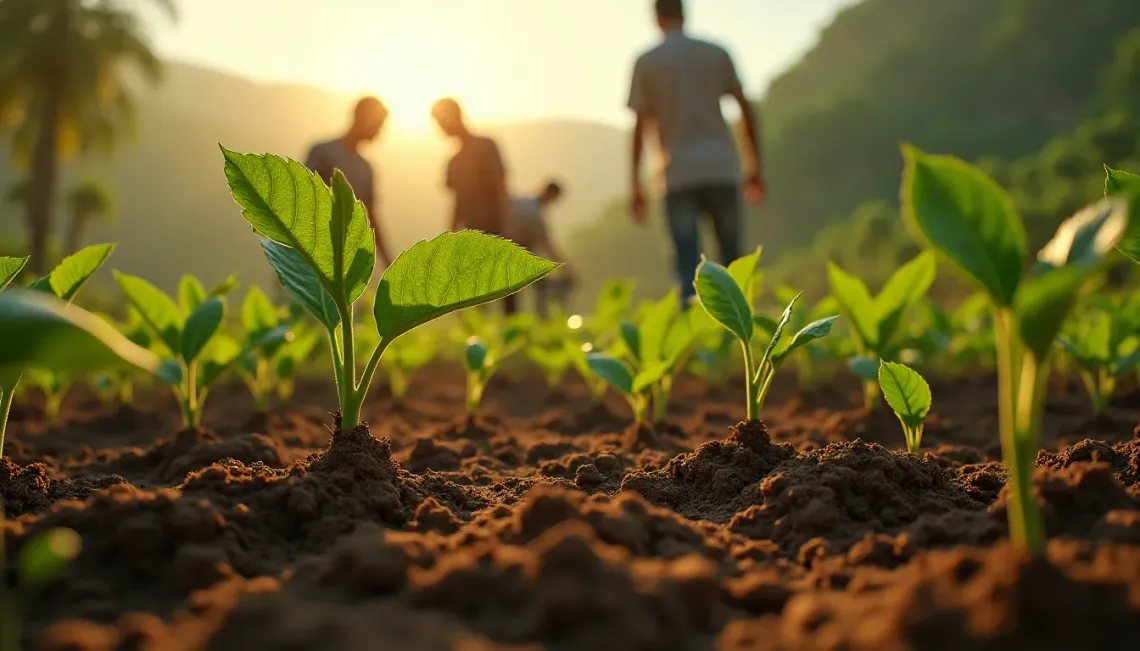

Morocco, a country rich in cultural heritage and diverse landscapes, is experiencing profound changes in its natural habitats. Efforts in tree planting have emerged as a crucial initiative to enhance Moroccan ecosystems, promoting reforestation and biodiversity conservation. Understanding the environmental impact of these initiatives is key to sustaining Morocco's vibrant ecosystems.
Revitalizing Moroccan Ecosystems through Tree Planting
Tree planting is a cornerstone strategy in preserving Moroccan ecosystems. This environmental action is not merely about planting trees; it’s about reinstating the natural balance in diverse regions across Morocco, from the rippling Sahara desert to the lush Atlas Mountains. Trees play a pivotal role in preventing desertification—a pressing issue in arid and semi-arid landscapes—as their roots help to stabilize soil and preserve moisture.
Environmental Impact of Reforestation
The environmental impact of reforestation efforts in Morocco extends beyond soil stabilization. By planting trees, we combat climate change, reduce carbon footprints, and improve air quality. This process is vital for absorbing carbon dioxide and releasing oxygen, critical components in tackling global warming.
- Soil Enrichment: Tree roots not only prevent erosion but also improve soil fertility by adding essential nutrients.
- Water Cycle Regulation: Trees contribute to maintaining the water cycle by increasing groundwater reserves and reducing surface runoff.
- Climate Moderation: Tree canopies provide shade, mitigate harsh weather conditions, and lower urban temperatures.
Biodiversity Conservation in Moroccan Ecosystems
Biodiversity conservation is integral to sustaining healthy ecosystems. Moroccan ecosystems house unique flora and fauna, and tree planting serves as a habitat restoration tactic. The diversity of trees supports various species, contributing to a balanced and thriving ecosystem.
Fostering Flora and Fauna Diversity
Reforestation efforts offer safe havens for endangered species and play a significant role in maintaining biodiversity. By creating interconnected habitats, tree planting enhances genetic diversity among native species.
- Habitat Restoration: Trees provide shelter and food resources, promoting wildlife resurgence.
- Creating Corridors: Forested corridors allow for the migration of species, promoting genetic exchange and ecosystem health.
- Boosting Pollination: Diverse plant life supports pollinators essential for sustainable agriculture.
The Broader Implications of Tree Planting in Morocco
The impact of tree planting on Moroccan ecosystems is expansive. Beyond immediate ecological benefits, these initiatives engage local communities in sustainable practices, promote green economy opportunities, and foster environmental stewardship.
Efforts in reforestation contribute to educational programs, raising awareness about environmental conservation. Community engagement ensures that local knowledge and traditions are preserved, enabling sustainable development.
Engaging Communities in Reforestation Efforts
Local communities are at the heart of successful tree planting projects. By involving them, projects not only restore ecosystems but also empower people with knowledge and resources for long-term environmental impact.
Ultimately, tree planting in Morocco is more than a simple act of planting trees; it's an investment in our planet's future. By enriching Moroccan ecosystems through reforestation and biodiversity conservation, we ensure a greener, more sustainable future for generations to come.