
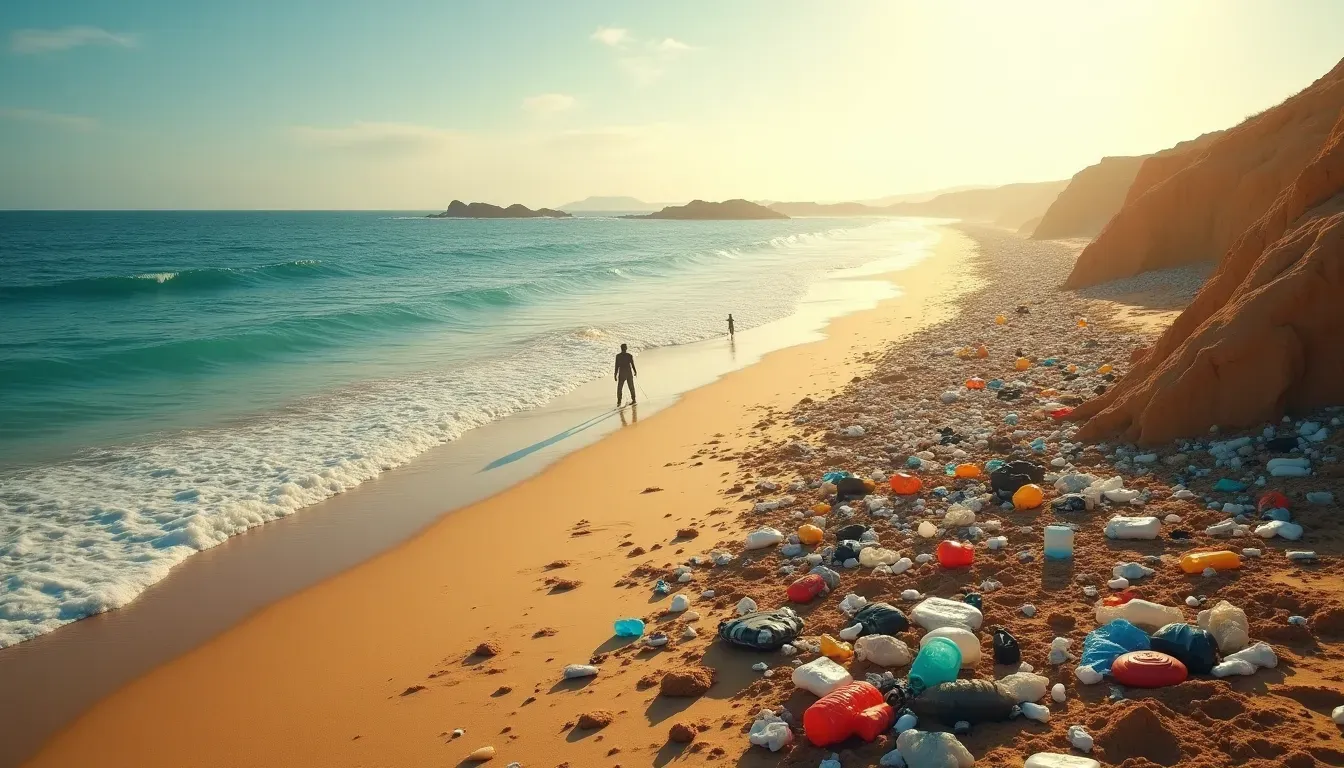
The Moroccan coastal regions are renowned for their stunning landscapes, diverse ecosystems, and vibrant marine life. Yet, these coastal jewels face the persistent issue of beach pollution, threatening both the environment and local economies dependent on tourism and fishing. Cleaning campaigns aimed at mitigating this environmental impact are increasingly being recognized for their significance in marine conservation.
Understanding the Environmental Impact on Moroccan Coastal Regions
Beach pollution in Moroccan coastal regions is a growing concern, affecting marine biodiversity and the health of local communities. Plastics, glass, and other debris are often found littering the shores, washing up from the sea or being carelessly discarded by visitors. This pollution not only tarnishes the natural beauty of the beaches but also poses threats to marine life.
Fish and other marine species often ingest or become entangled in debris, leading to severe consequences for marine biodiversity. The environmental impact of such pollution extends to the degradation of essential marine habitats, disrupting the ecological balance.
The Role of Cleaning Campaigns
Cleaning campaigns have emerged as a pivotal tool in addressing these issues, rallying communities, environmental organizations, and governmental bodies to partake in beach clean-ups. These initiatives not only help reduce waste but also raise awareness about the importance of marine conservation among locals and tourists alike.
Key components of successful cleaning campaigns include:
- Community engagement and education on the effects of pollution.
- Regular beach clean-up events targeting heavily polluted areas.
- Partnerships with local businesses to reduce single-use plastic usage.
- Long-term monitoring to assess the effectiveness of the cleaning efforts.
Measuring Success and Challenges in Cleaning Campaigns
One of the primary goals of these campaigns is to achieve sustainable reductions in beach pollution. Success can be measured through a decrease in the amount of litter collected and increased public participation over time. Encouragingly, many Moroccan coastal regions have witnessed marked improvements due to coordinated cleaning efforts.
However, challenges remain. Ensuring consistent participation and securing funding are ongoing hurdles. Moreover, without addressing the root causes of pollution, such as waste management and public awareness, cleaning campaigns can only offer a temporary respite.
Looking Ahead: Sustainable Marine Conservation
For Moroccan coastal regions, the path to sustainable marine conservation lies in a multi-faceted approach where cleaning campaigns are integrated with broader environmental policies. Government initiatives, like stricter regulations on waste disposal and incentives for sustainable tourism, can complement grassroots efforts to maintain cleaner beaches.
Collaboration is crucial. By working together, stakeholders can create a comprehensive strategy that not only addresses the symptoms of pollution but also its sources, ensuring that the Moroccan coastline remains a pristine treasure for future generations.
In conclusion, while cleaning campaigns are vital for addressing immediate beach pollution, lasting environmental impact in Moroccan coastal regions requires a collective commitment to marine conservation. Through continued engagement and strategic planning, these efforts can safeguard the region’s natural heritage and support its ecological and economic vitality.