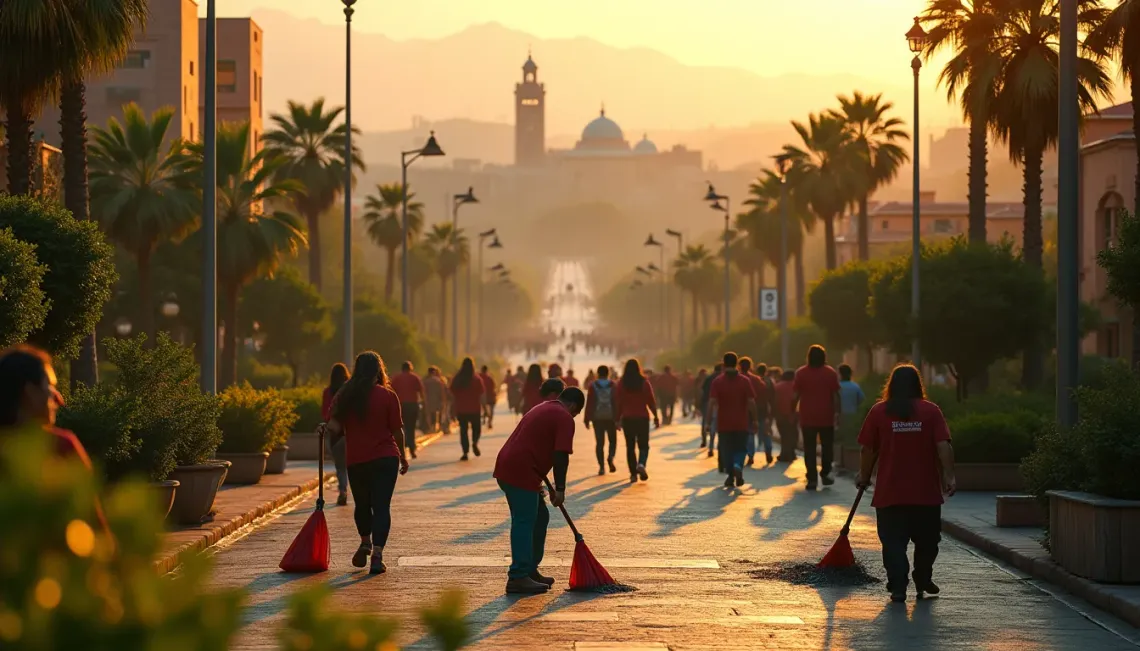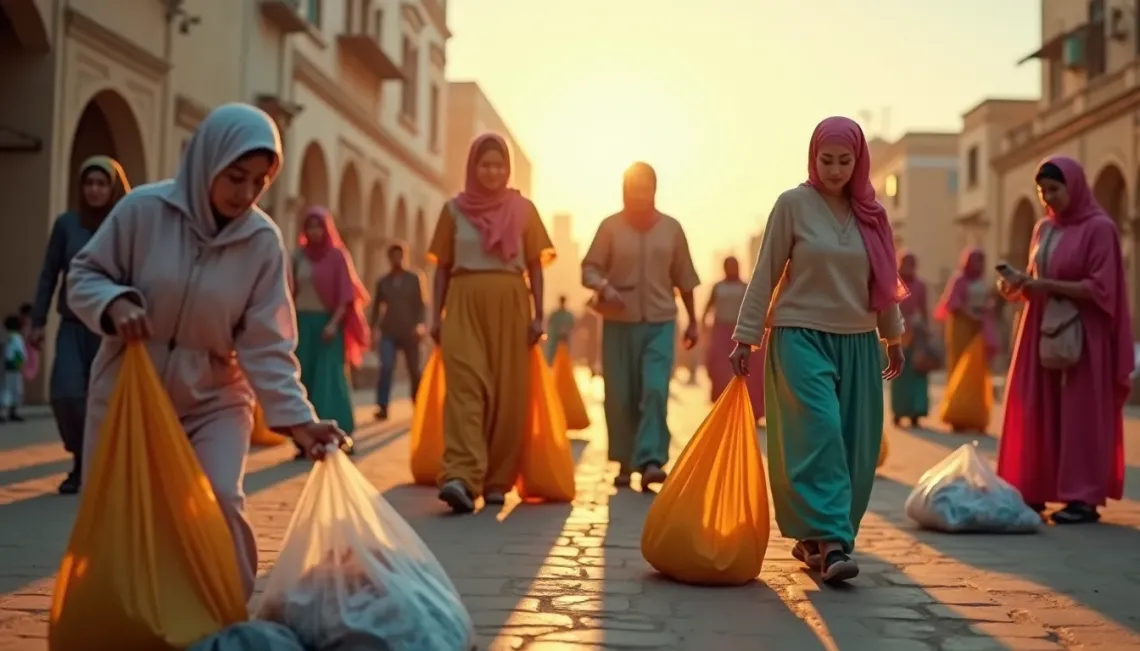
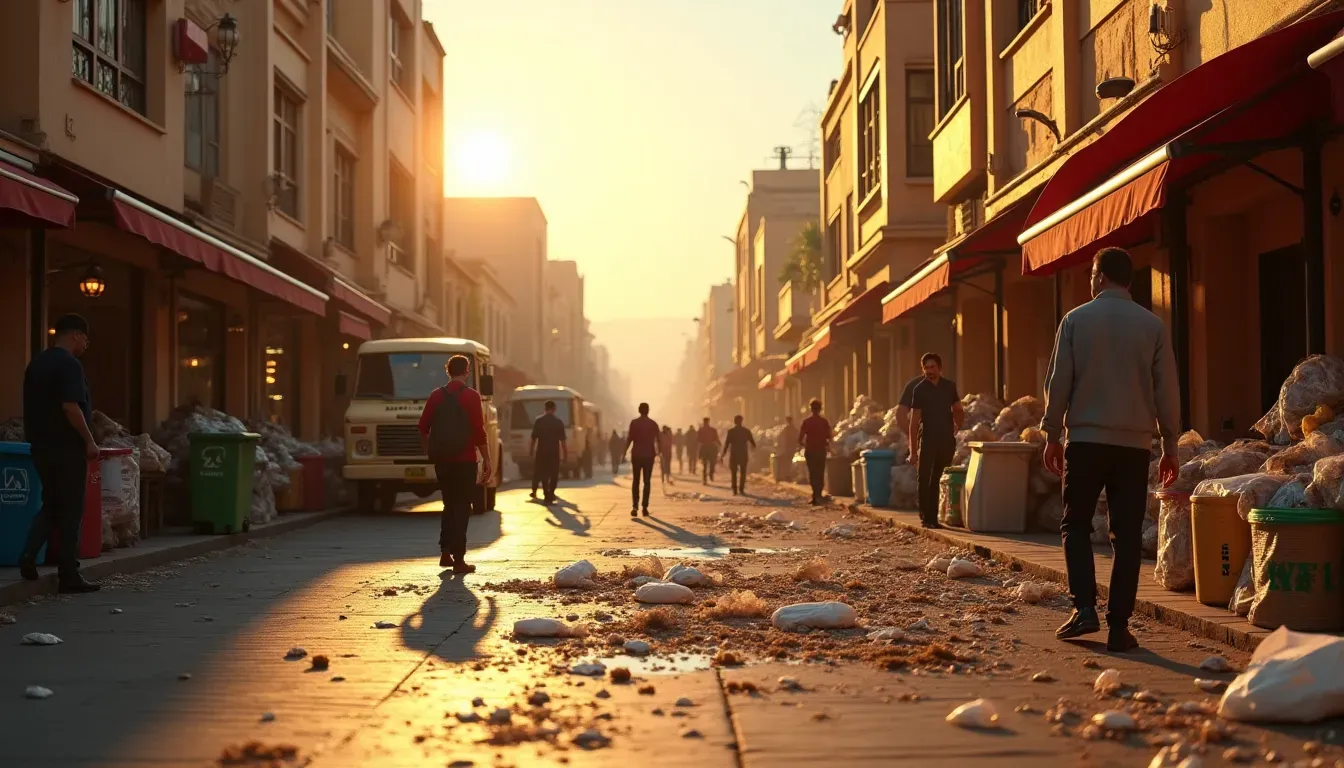
The bustling streets of Moroccan cities have long been a tapestry of vibrant culture and history. Yet, beneath their charm lies a growing concern—waste and pollution. As urban centers expand and populations rise, addressing waste management and pollution control has become imperative for ensuring environmental sustainability. Embarking on a journey towards an urban clean-up, Morocco is making strides to transform its cities into cleaner, greener spaces.
Waste Management in Moroccan Cities: A Pressing Priority
Moroccan cities are thriving hubs, but with prosperity comes the challenge of managing urban waste effectively. The government, alongside NGO partnerships, is implementing robust strategies for efficient waste management. Initiatives focus on:
- Improving waste collection systems.
- Encouraging recycling and composting practices.
- Raising public awareness through educational campaigns.
Investment in advanced waste treatment facilities and the adoption of circular economy principles are pivotal in reducing the waste footprint. These measures aim to bolster the infrastructure necessary for sustainable urban development.
Pollution Control: A Collaborative Endeavor
Pollution control in Moroccan cities is not solely a governmental responsibility; it demands collective action from all stakeholders. Introducing stricter emission regulations and promoting cleaner energy sources play crucial roles. The shift towards electric and hybrid public transportation complements these efforts, significantly curbing urban air pollution.
Additionally, industrial zones are monitored for compliance with environmental standards, ensuring that businesses contribute actively to pollution reduction. Through collaborations with local communities and international bodies, Morocco is taking a stand against pollution, reaffirming its commitment to environmental sustainability.
Environmental Sustainability: The Heart of Urban Clean-Up
Environmental sustainability is at the heart of Morocco's urban clean-up ambitions. By integrating green spaces into urban planning, cities become not only cleaner but also healthier for their inhabitants. Initiatives such as community gardens and urban forests are being embraced, providing city dwellers with fresh, breathable air and contributing to biodiversity.
Challenges and Opportunities
While tackling waste management and pollution control in Moroccan cities presents challenges, it also offers opportunities for innovation and growth. Key challenges include:
- Lack of infrastructure for waste recycling.
- Insufficient public awareness on sustainable practices.
- Resistance to change in traditional industries.
Conversely, these issues unlock opportunities for creating green jobs, fostering eco-friendly businesses, and enhancing urban resilience. By aligning with global sustainability goals, Morocco is poised to serve as a model for other developing nations facing similar issues.
Looking Ahead: A Cleaner Tomorrow
As Moroccan cities continue their journey towards a cleaner future, the importance of maintaining momentum in waste management and pollution control cannot be overstated. By embracing changes and nurturing an eco-conscious society, Morocco is paving the way for a sustainable future where urban clean-up is not just a task but a way of life. As each city strives to reflect the beauty of its cultural heritage, the path towards environmental sustainability promises a legacy of health and prosperity for generations to come.
For more insights into environmental initiatives and sustainability efforts globally, explore our pages on Renewable Energy Solutions and Sustainable Urban Planning. Together, we can create a cleaner, greener world.