In the heart of North Africa, Moroccan communities are spearheading a transformative Recycling effort, turning Waste management into a beacon of Sustainable development. By embracing the principles of a Circular economy, these communities are not only addressing environmental concerns but also generating economic opportunities.
The Rise of Recycling in Moroccan Communities
Recycling has gained significant traction in Morocco, largely due to a blend of grassroots initiatives and government policies. Recognizing the importance of waste reduction, Moroccan communities have adopted innovative waste management strategies that are both environmentally friendly and economically beneficial. These efforts are part of a larger vision to foster Sustainable development and curb the negative impacts of waste.
Sustainable Development Through Waste Management
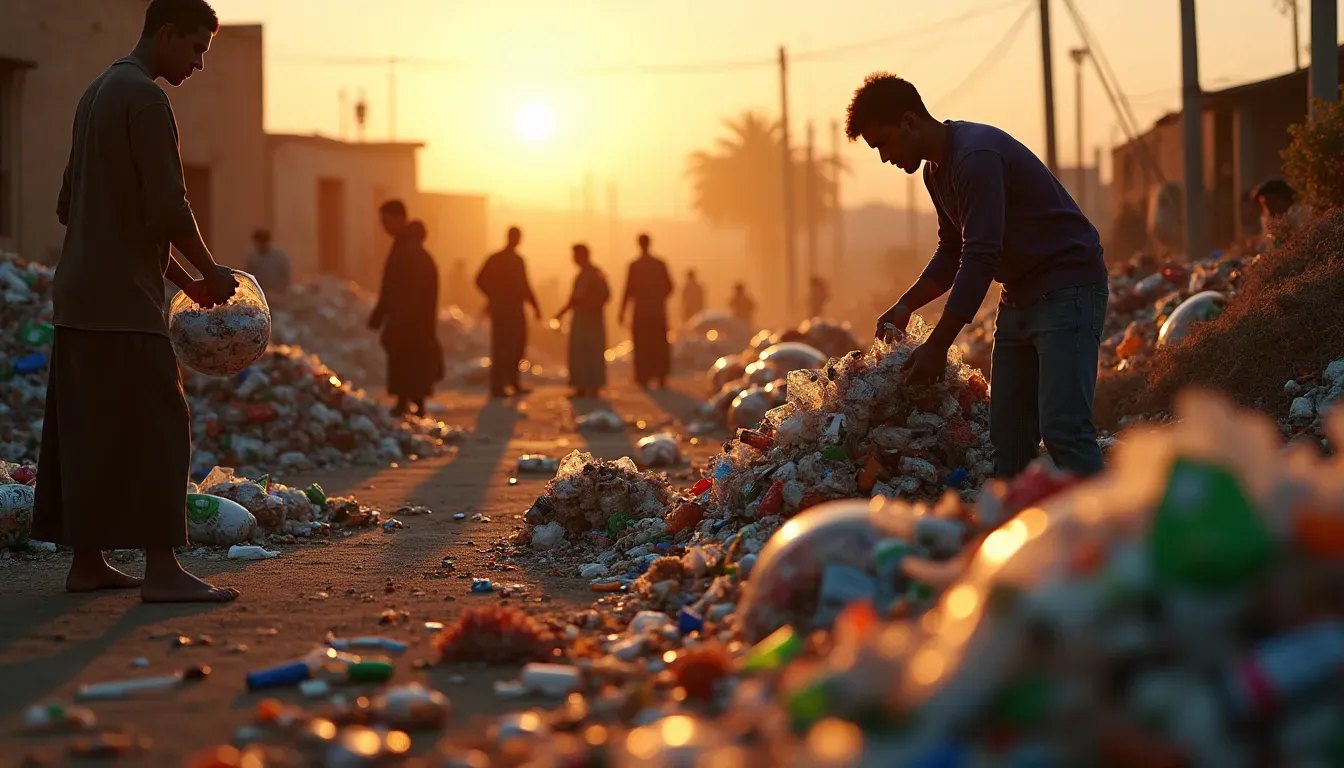
Moroccan communities are capitalizing on the vast amounts of waste generated daily – transforming it into valuable resources. Through effective Recycling practices, these communities are able to:
- Reduce landfill overflow and pollution
- Create jobs and stimulate local economies
- Encourage technological innovation and infrastructure development
- Promote environmental awareness and education
As a result, waste is no longer seen as a mere byproduct but as a potential wealth generator.
The Circular Economy in Action
The successful implementation of a Circular economy model in Morocco is a testament to the ingenuity of its people. Moroccan communities have established recycling centers that process plastic, metal, paper, and organic waste, turning these materials into products that can re-enter the market cycle. This not only aids in Sustainable development but also significantly reduces the dependency on raw resources.
Innovative Recycling Practices in Moroccan Communities
The journey towards effective waste management in Morocco involves several innovative practices. Some of these include:
- Community-based recycling cooperatives: Local groups have formed cooperatives that manage waste collection and recycling, creating jobs and empowering community members.
- Educational campaigns: Educating citizens about the importance of Recycling and how to segregate waste properly is pivotal in maintaining an effective waste management system.
- Partnerships with businesses: Collaborations between businesses and communities help streamline waste processing and improve the efficiency of Recycling efforts.
Challenges and Future Prospects
Despite marked progress, Moroccan communities face challenges such as insufficient infrastructure and limited funding. However, the potential for growth in the waste management sector is immense. By fostering public-private partnerships and increasing investment, Morocco can further enhance its recycling capabilities.
Furthermore, integrating technology and innovation into waste management practices will play a crucial role in propelling the nation towards a more sustainable future.
Conclusion: Waste into Wealth
Moroccan communities have shown that Recycling can effectively turn waste into wealth. By integrating Sustainable development practices and embracing the Circular economy, Morocco not only mitigates environmental harm but also boosts its economic potential. This approach not only serves as a model for other nations but also highlights the broader benefits of comprehensive waste management strategies.