In recent years, permaculture techniques have been crucial in transforming Moroccan landscapes, a country known for its arid regions and diverse ecosystems. These sustainable agriculture practices are not only enhancing the ecological balance but also significantly contributing to land restoration and water conservation. This article delves into the various permaculture methods being implemented in Morocco and examines their impact on the environment and local communities.
Understanding Permaculture and Its Relevance in Morocco
Permaculture, a philosophy focused on designing agricultural ecosystems that are self-sustaining, is increasingly relevant in Morocco. The North African nation faces challenges such as water scarcity and soil degradation, making sustainable agriculture a necessity rather than an option. By harnessing natural processes, permaculture techniques offer a viable solution to these pressing issues.
Key Permaculture Techniques Used in Moroccan Landscapes
Several permaculture techniques are being adapted to suit the unique geographic and climatic conditions of Morocco. These include:
- Agroforestry: Integrating trees into agricultural lands helps improve soil quality and provides natural shade, which reduces the need for artificial irrigation.
- Contour Plowing: This method helps retain water and prevent soil erosion by plowing along the natural contours of the landscape.
- Natural Pest Management: Using beneficial insects and companion planting reduces dependency on chemical pesticides, promoting biodiversity.
- Water Harvesting: Techniques such as swales and check dams are used for efficient water conservation, capturing rainwater and reducing runoff.
The Impact of Sustainable Agriculture on Land Restoration
By implementing these permaculture techniques, Moroccan landscapes are witnessing significant improvements. Sustainable agriculture not only enhances soil fertility but also aids in land restoration efforts. This, in turn, leads to a more productive and resilient ecosystem, capable of supporting diverse plant and animal species.
Water Conservation: A Crucial Element
Given Morocco's arid climate, water conservation is a critical component of permaculture practices. Through efficient water management systems like drip irrigation and rainwater harvesting, communities can reduce water wastage and ensure the availability of this vital resource for agriculture.
Community Involvement and Education
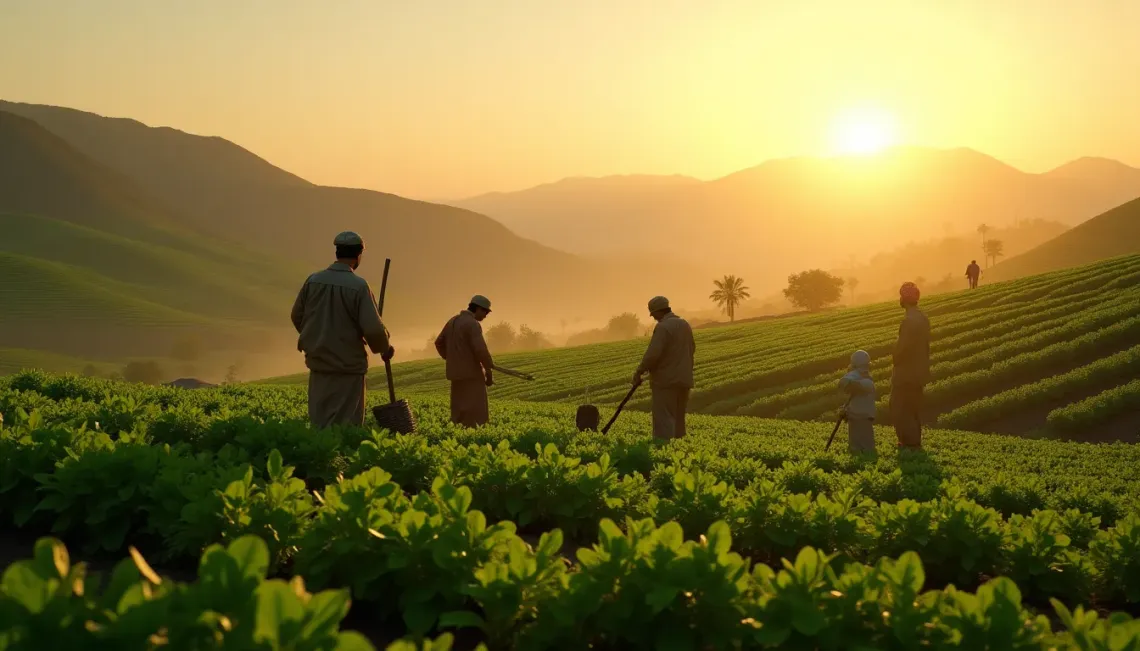
One of the driving forces behind the success of permaculture in Moroccan landscapes is community involvement. Educational programs and workshops help raise awareness about sustainable agriculture practices and empower locals to adopt these methods.
Future Prospects and Challenges
While permaculture techniques have shown promising results in transforming Morocco's landscapes, challenges such as climate change and policy support remain. Continued research and government backing are essential to expand these practices across the country.
In conclusion, permaculture techniques are proving to be a transformative force in Moroccan landscapes. By promoting sustainable agriculture and effective land restoration, these practices are paving the way for a more sustainable future. For those interested in similar environmental initiatives, exploring topics such as community gardening and organic farming might provide further insights.