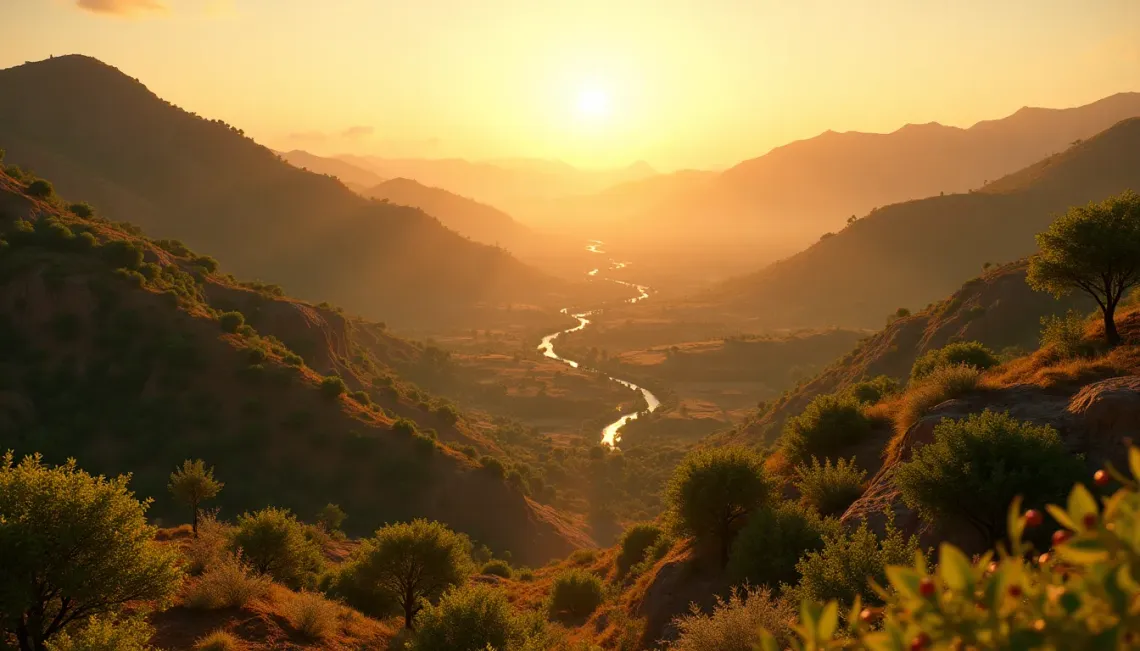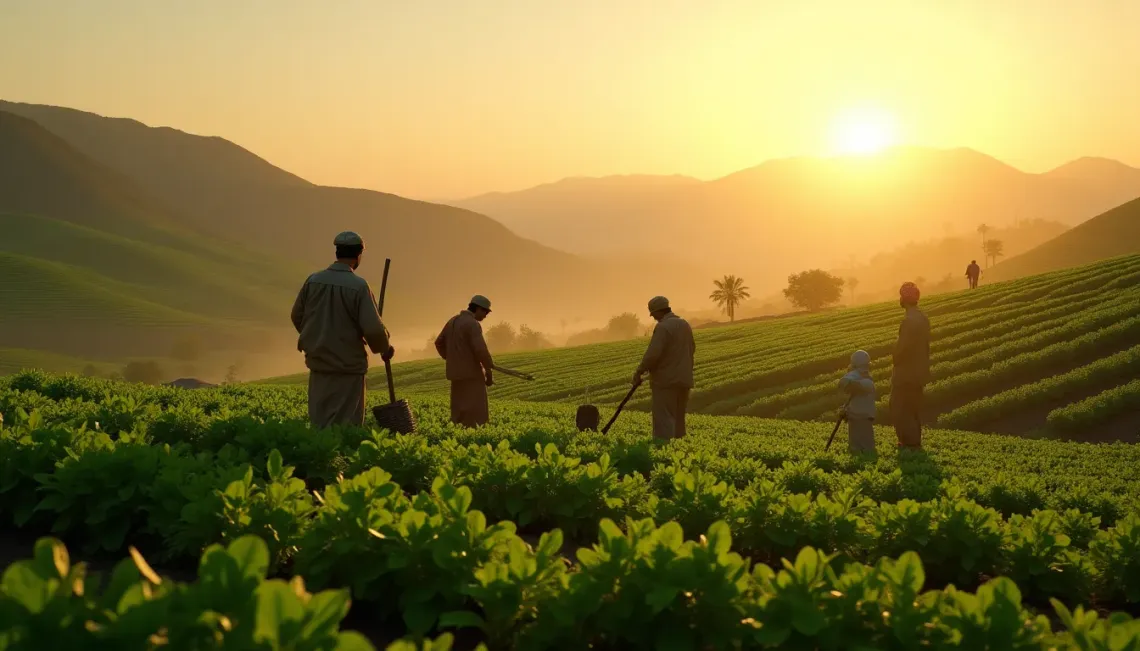
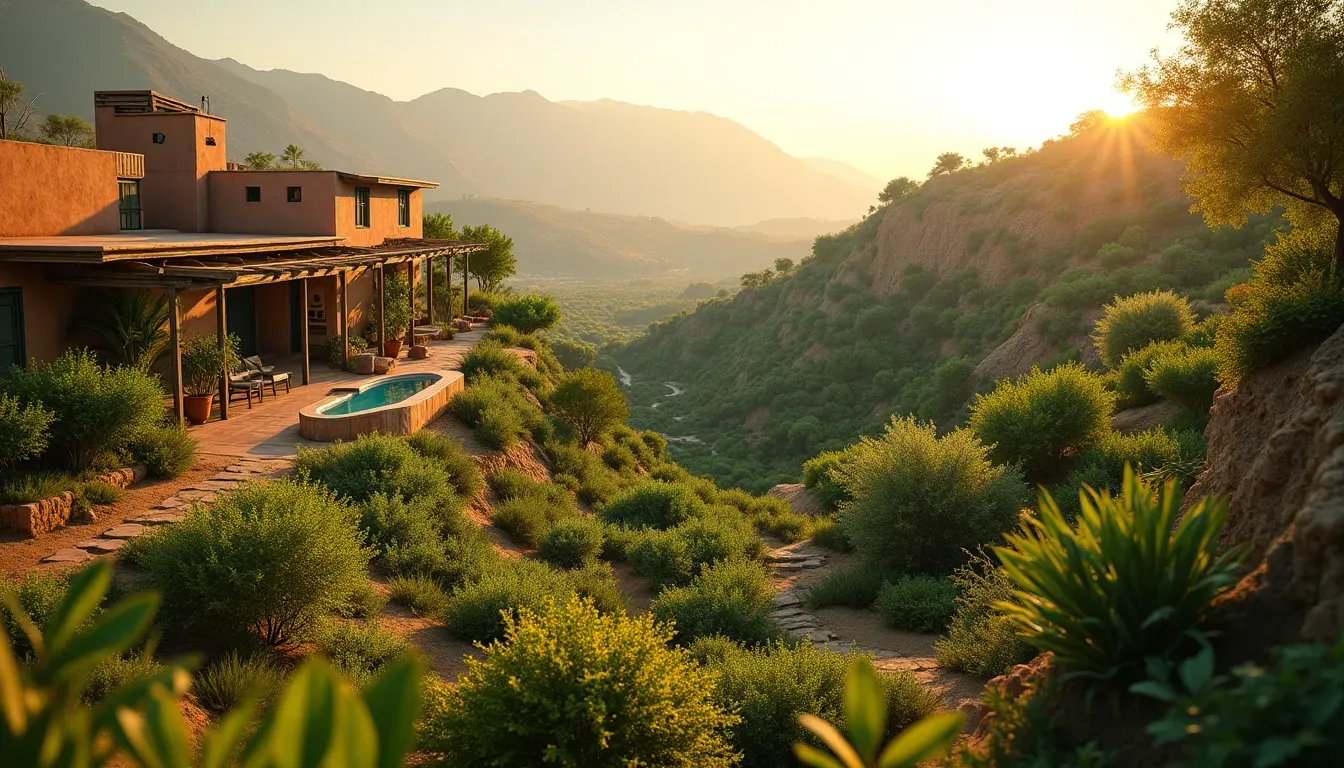
In the arid landscapes of North Africa, permaculture projects in Morocco are redefining the way communities approach sustainability. These initiatives focus on incorporating sustainable agriculture, eco-friendly practices, and environmental conservation, turning the Moroccan terrain into fertile grounds for innovation and growth.
Understanding Permaculture in Morocco
Permaculture, a holistic approach to land management, is gaining traction in Morocco. By integrating natural processes with sustainable agricultural techniques, permaculture projects aim to cultivate a harmonious balance with the environment. This approach is especially vital in Morocco, where water scarcity and soil degradation pose significant challenges.
Key Elements of Permaculture Projects
Permaculture projects in Morocco highlight several core principles:
- Water Conservation: Utilizing techniques like rainwater harvesting and drip irrigation to optimize water use.
- Soil Regeneration: Employing composting and mulching to enrich soil health and prevent erosion.
- Biodiversity Promotion: Encouraging the growth of a variety of plants to create resilient ecosystems.
- Community Involvement: Educating locals on sustainable practices to foster active participation and knowledge sharing.
The Impact on Moroccan Sustainability
Morocco's sustainability efforts are amplified through these permaculture projects. By focusing on environmental conservation, these initiatives reduce carbon footprints and enhance local food security. Communities involved in sustainable agriculture gain access to eco-friendly techniques, allowing them to thrive even in challenging conditions.
Challenges and Opportunities
While permaculture projects in Morocco have shown promising results, they also encounter challenges. Limited resources and traditional farming practices often hinder widespread adoption. However, there are ample opportunities to overcome these barriers:
- Increased Funding: Attracting investments to support infrastructure development and resource acquisition.
- Educational Programs: Expanding training initiatives to educate more farmers on sustainable practices.
- Technological Integration: Implementing innovative technologies like solar-powered irrigation systems to boost efficiency.
Related Topics
For more insights into sustainability, explore related topics such as eco-tourism in Morocco and the growth of renewable energy in the region. These areas are intertwined with the goals of permaculture, creating a comprehensive approach to environmental conservation.
In conclusion, permaculture projects in Morocco are making significant strides toward a new era of sustainability. By focusing on sustainable agriculture and eco-friendly initiatives, these projects foster environmental conservation and empower communities to build a greener future.