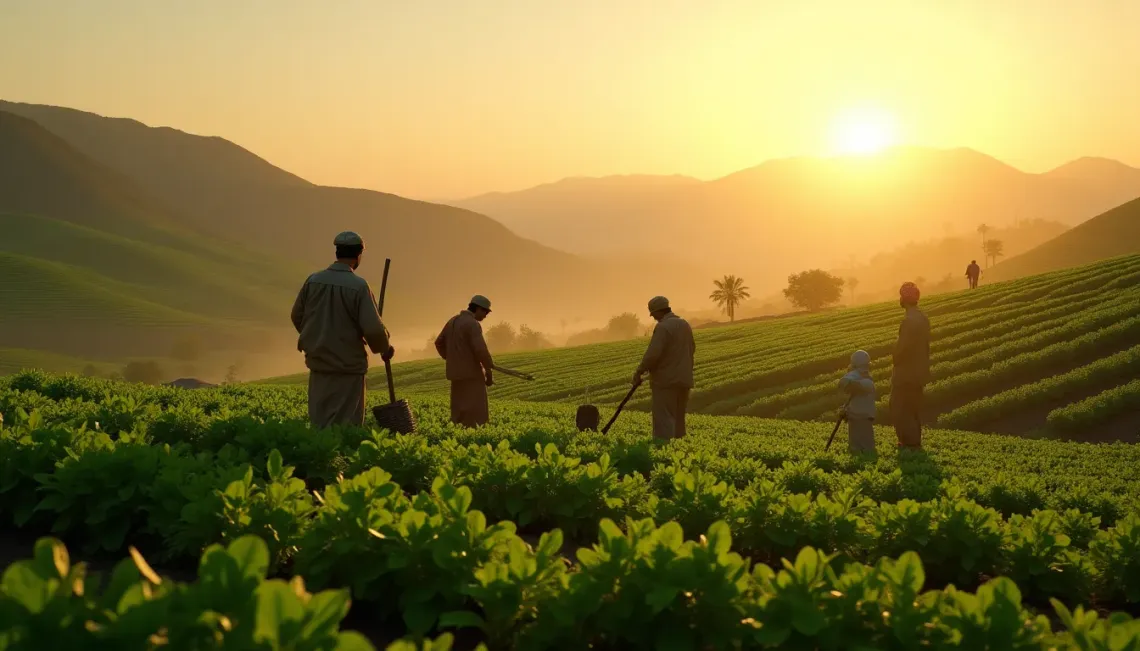
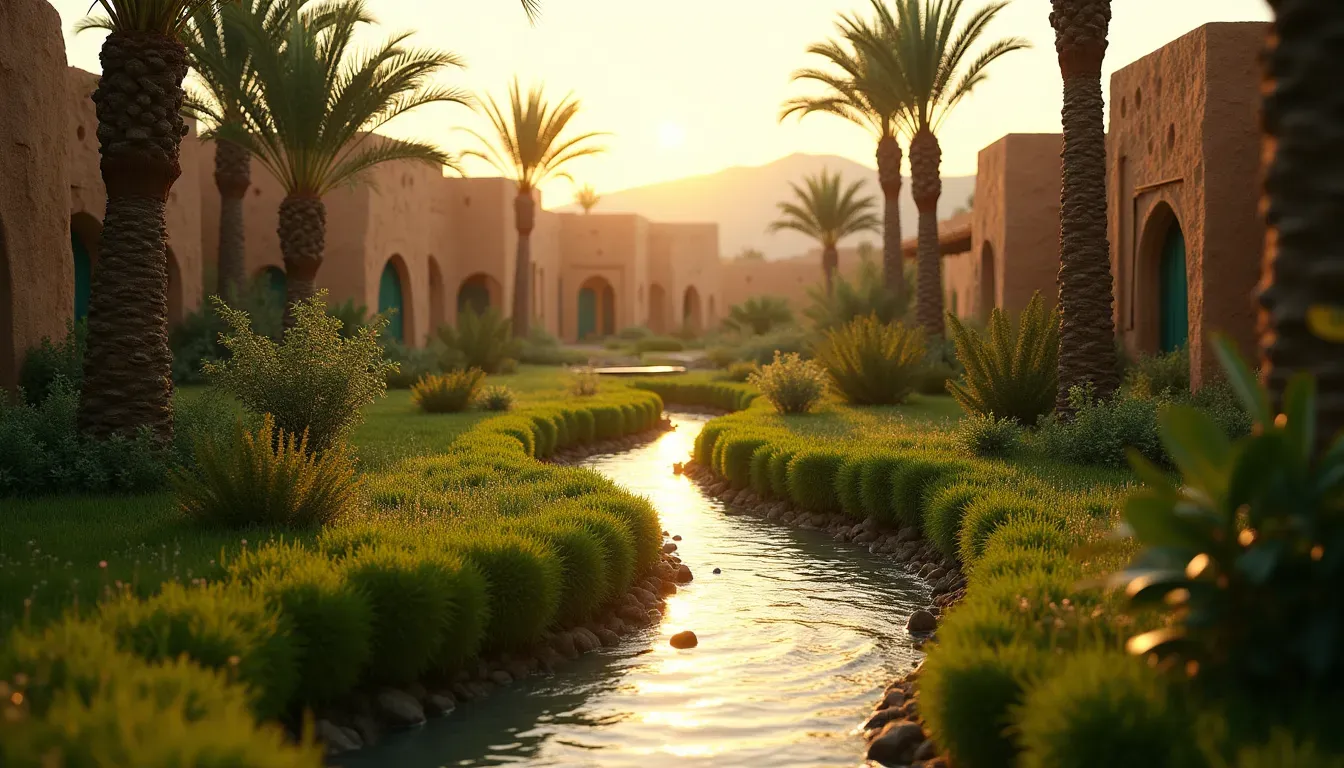
In the heart of the Moroccan oasis, traditional farming techniques are experiencing a revival, thanks in part to the integration of permaculture principles. These principles not only enhance sustainable agriculture but also play a pivotal role in effective water management, which is crucial in arid regions like Morocco.
Understanding Permaculture Principles in a Moroccan Context
Permaculture, a term coined from "permanent agriculture," is a holistic approach to farming that emphasizes sustainability by mimicking natural ecosystems. In the Moroccan oasis, these principles are seamlessly integrated with traditional farming techniques that have been passed down through generations.
Key Permaculture Principles
- Observe and Interact: An important step in permaculture is observing the natural surroundings to understand the ecosystem dynamics. This principle is vital in a Moroccan oasis, where the climate is both a challenge and an asset.
- Catch and Store Energy: Given the abundance of sunlight, capturing solar energy is essential. Traditional Berber communities in the oasis have used sun exposure for natural drying and other energy-efficient methods.
- Apply Self-Regulation and Accept Feedback: Moroccan farmers have long known the value of adapting their techniques based on environmental changes, a practice now supported by permaculture.
Reviving Traditional Farming Techniques
Traditional farming techniques in Moroccan oases rely heavily on practices that promote sustainable agriculture. These methods include:
- Terracing: Creating terraces on slopes to manage water runoff and reduce soil erosion, an age-old technique in Morocco.
- Polyculture farming: Growing a diversity of crops that strengthen ecosystem resilience against pests and droughts.
Sustainable Water Management
Effective water management is perhaps the most critical aspect of agriculture in the Moroccan oasis. Permaculture principles enhance this through:
- Swales and Water Harvesting: Building swales to capture rainwater and redirect it to where it's most needed.
- Drip Irrigation Systems: Using traditional techniques and modern innovations to minimize water use and optimize plant growth.
Benefits of Integrating Permaculture with Traditional Techniques
The amalgamation of permaculture principles with existing traditional farming methods offers numerous benefits:
- Increased Biodiversity: Encourages a variety of plant and animal species, enhancing ecological balance.
- Soil Fertility: Regular composting and natural land conditioning improve soil health.
- Community Resilience: These practices foster social cohesion and economic stability among local farmers.
To further explore the impacts of sustainable agriculture, one might consider delving into agroforestry in Morocco, where trees and crops grow together, offering another dimension to sustainable farming.
The Road Ahead
The journey towards sustainable agriculture in the Moroccan oasis is marked by the revival and refinement of traditional farming techniques combined with permaculture principles. As these practices take root, they hold the promise of transforming the landscape into a thriving example of ecological and agricultural symbiosis. With ongoing efforts in water management and biodiversity, the Moroccan oasis can continue to be a testament to the power of sustainable agriculture.