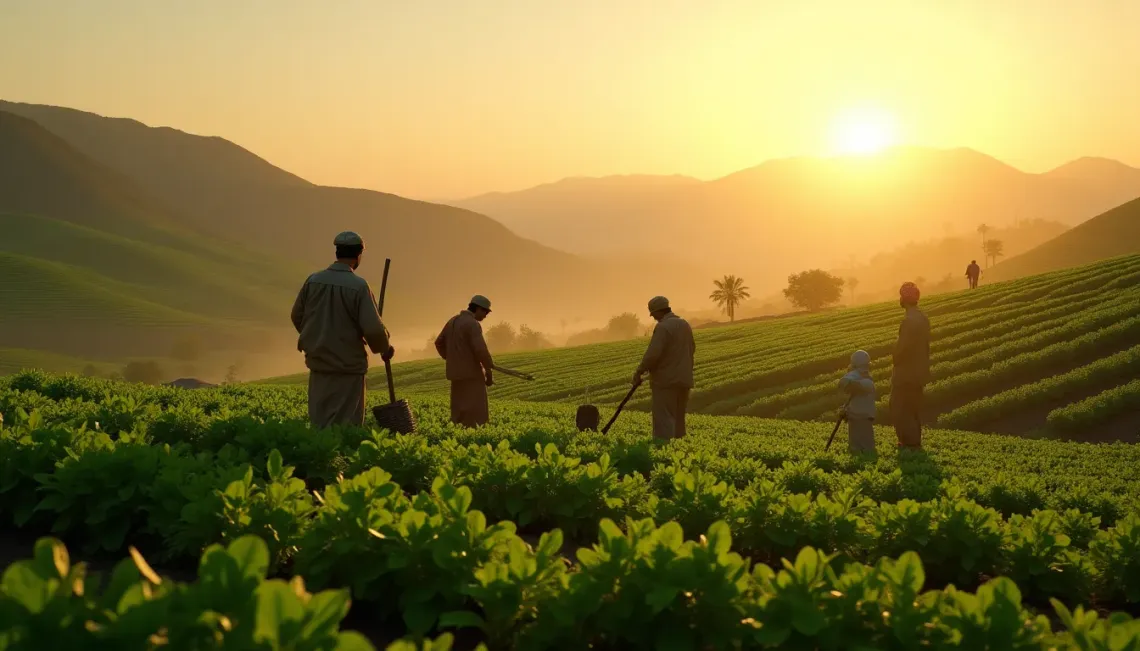
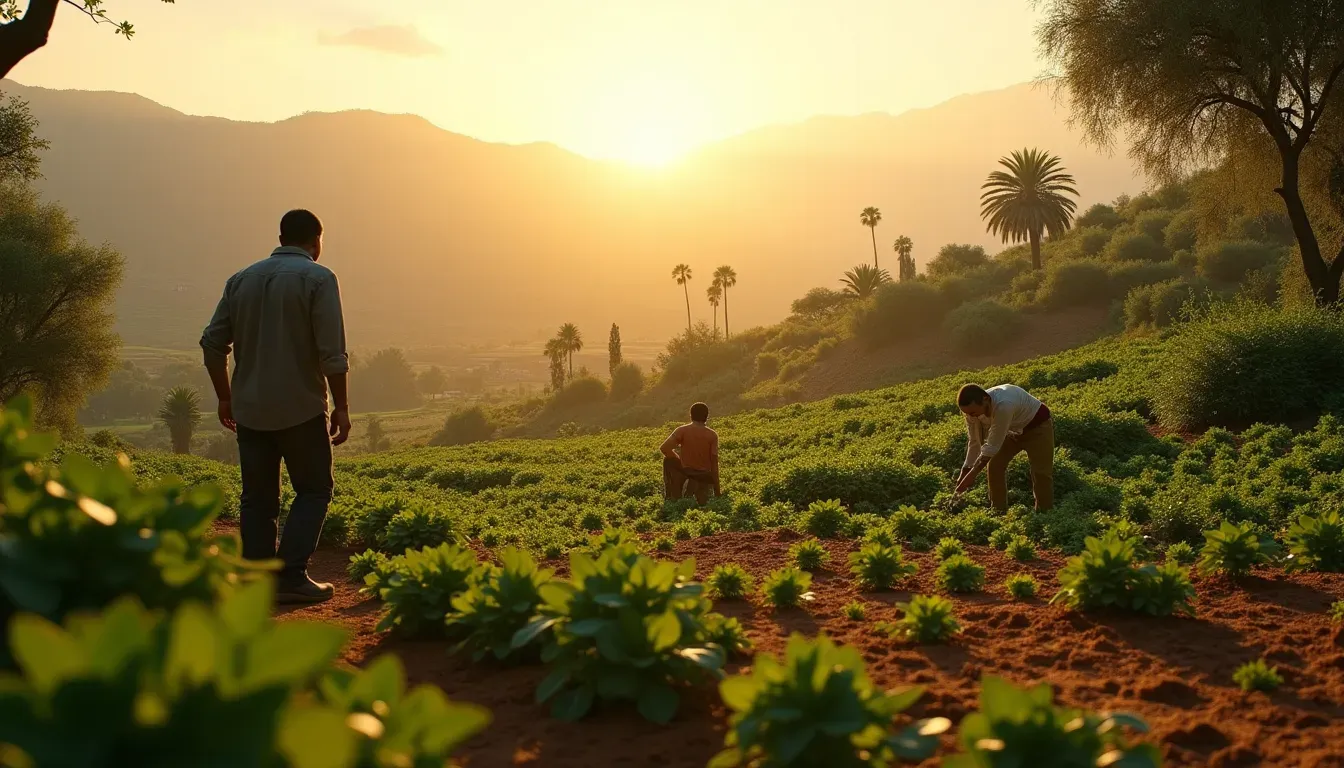
Permaculture principles have emerged as a transformative force in Morocco, offering innovative approaches to improve Moroccan soil and foster sustainable agriculture. By integrating these principles, communities across Morocco are not only revitalizing their lands but also paving the way for sustainable community development and environmental stewardship.
Understanding Permaculture Principles
At its core, permaculture is about creating agricultural systems that mimic natural ecosystems. These permaculture principles provide a holistic framework that encourages the use of renewable resources, waste recycling, and efficient land use. By embracing these concepts, Moroccan farmers can rejuvenate depleted soils, conserve water, and boost biodiversity.
Reviving Moroccan Soil
Moroccan soil, especially in arid regions, has suffered from overgrazing, deforestation, and unsustainable farming practices. Permaculture principles focus on techniques such as:
- Composting: Enriches soil fertility by recycling organic waste.
- Mulching: Maintains soil moisture and suppresses weeds.
- Water Harvesting: Captures and stores rainwater, vital for dry regions.
By applying these methods, Moroccan farmers are transforming barren lands into productive farms, thus promoting sustainable agriculture.
Sustainable Agriculture and Community Development
Permaculture principles are catalysts for community development. As farmers collaborate and share knowledge, they build resilient communities that prioritize sustainability. This leads to a ripple effect where economic stability and food security foster stronger social ties. Collaborative projects such as community gardens and farmers' cooperatives are prime examples of how these principles nurture both land and people.
Environmental Stewardship in Morocco
Environmental stewardship is a crucial element of permaculture. In Morocco, this involves:
- Reducing carbon footprints through renewable energy sources.
- Protecting native species and ecosystems.
- Promoting sustainable practices to future generations.
These efforts ensure that Moroccan soil is not only preserved but thrives, contributing to ecological balance and biodiversity.
Linking Traditions and Innovation
The blending of traditional Moroccan agricultural practices with modern permaculture principles creates a unique fusion that enhances productivity and sustainability. This approach bridges the past with the future, ensuring that cultural heritage is preserved even as innovative techniques are adopted.
In conclusion, the application of permaculture principles in Morocco is not merely a trend but a necessary evolution towards sustainable agriculture and environmental stewardship. By enriching Moroccan soil and nurturing community development, these practices are setting a precedent for future generations to follow and expand upon. Discover more about sustainable practices and their applications by exploring topics such as sustainable water management and community agriculture projects.