Permaculture principles are increasingly being adopted across the globe as a sustainable way to build eco-friendly communities. In Morocco, these principles are being harnessed to transform the landscape and promote environmental conservation. By integrating sustainable living practices into daily life, Moroccan communities are setting an example in environmental stewardship.
Understanding Permaculture Principles
Permaculture, a term coined from "permanent agriculture," is a design system for creating sustainable human habitats. The core permaculture principles involve working with nature rather than against it, minimizing waste, and utilizing renewable resources. These practices aim to create a balanced ecosystem that thrives over the long term.
Key permaculture principles include:
- Observe and interact: Understanding the natural environment.
- Catch and store energy: Harnessing and storing resources efficiently.
- Obtain a yield: Ensuring sustainability through resource productivity.
- Apply self-regulation: Reducing waste and excess consumerism.
- Use and value renewable resources: Encouraging eco-friendly alternatives.
Eco-Friendly Communities in Morocco
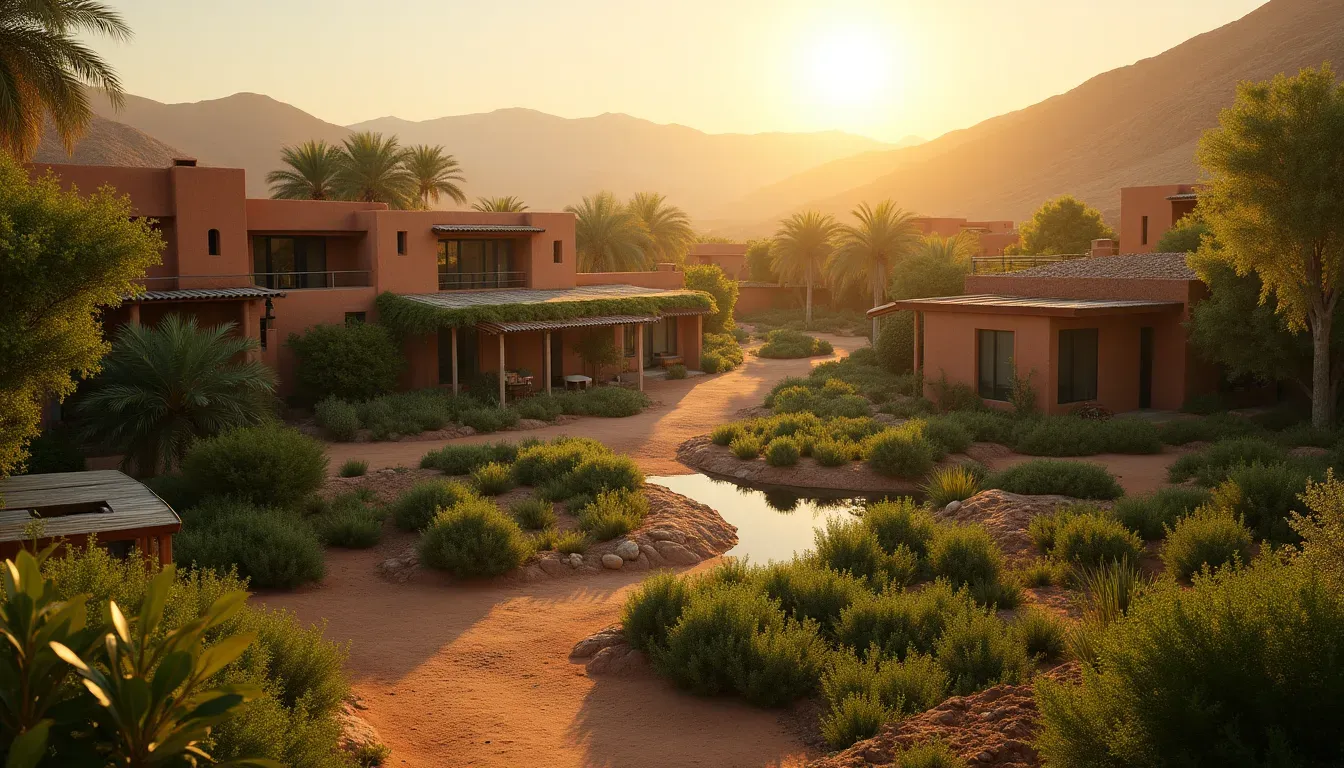
In Morocco, the application of permaculture principles has led to the development of numerous eco-friendly communities. These communities focus on sustainable living by utilizing local resources judiciously, promoting environmental conservation, and reducing carbon footprints. The architecture in these communities often incorporates traditional designs that naturally regulate indoor temperatures, reducing the need for artificial cooling.
Sustainable Living Practices
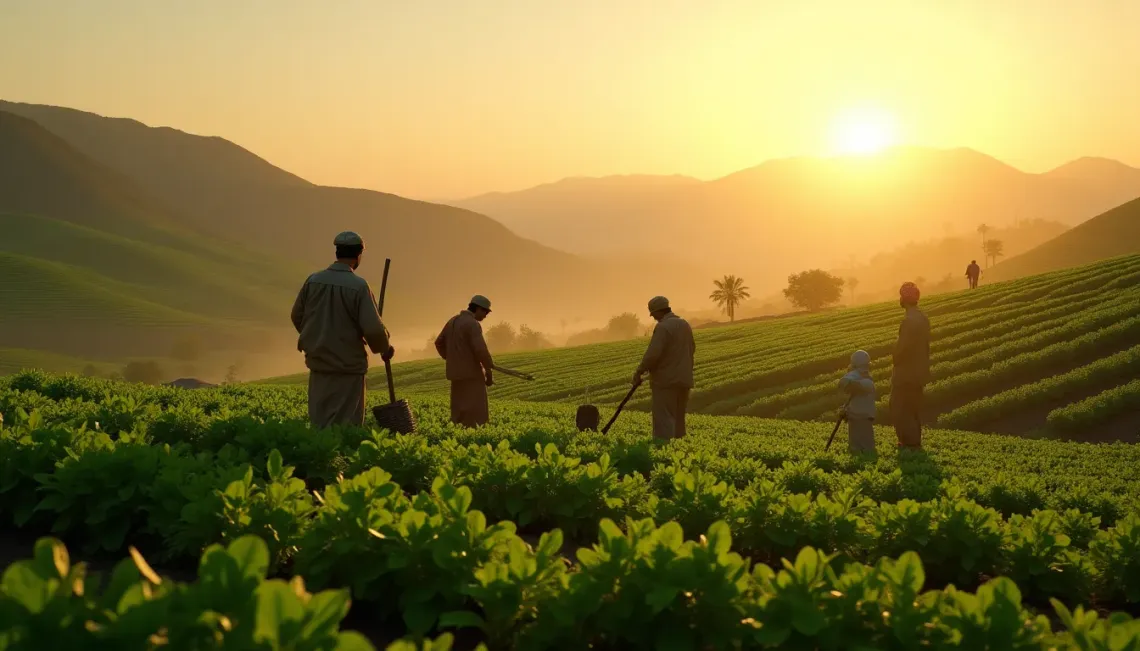
Moroccan eco-friendly communities emphasize sustainable living practices. They often utilize materials such as mud bricks, which provide excellent insulation and are environmentally friendly. Additionally, permaculture gardens are a common feature, ensuring a sustainable food supply and improving the community's resilience.
Some common sustainable practices include:
- Water conservation through rainwater harvesting and efficient irrigation techniques.
- Utilization of renewable energy sources such as solar panels.
- Composting organic waste to enhance soil fertility.
Environmental Conservation Efforts
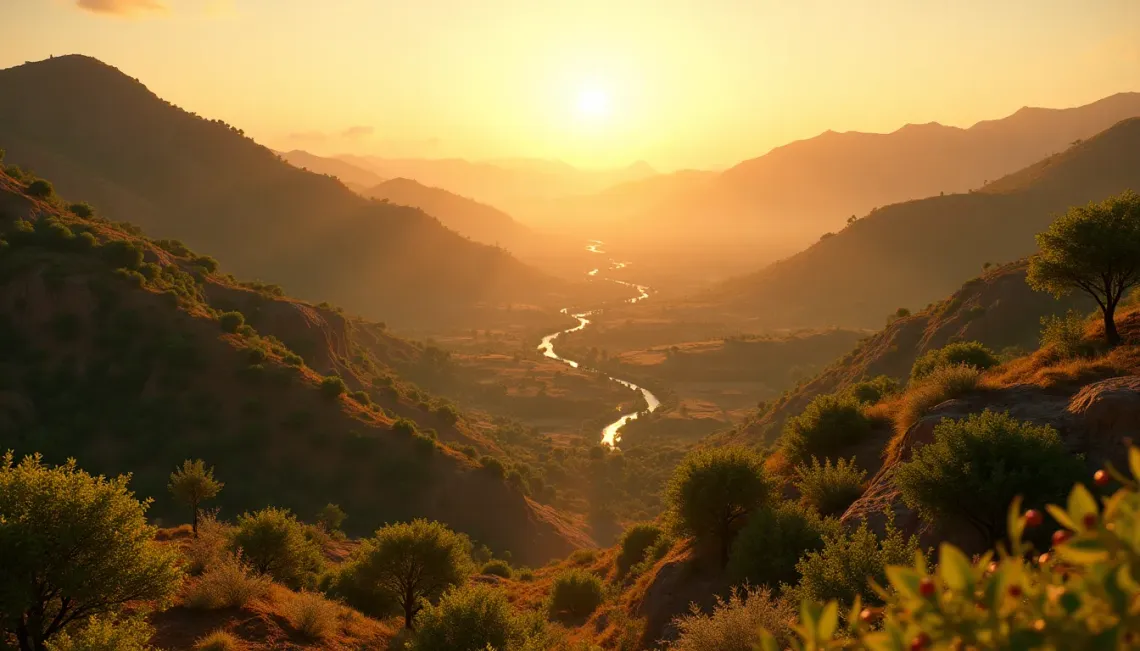
In addition to sustainable living, environmental conservation is a central focus for Moroccan communities practicing permaculture. Efforts include reforestation projects and the protection of native plant species. By enhancing biodiversity and restoring natural habitats, these communities are committed to preserving Morocco's unique ecosystem.
Related Topics
For those interested in exploring more about sustainable practices, resources on renewable energy solutions, and water conservation techniques can be valuable. These topics are integral to enhancing eco-friendly communities and are often aligned with permaculture principles.
As more communities in Morocco adopt permaculture principles, they serve as a testament to the power of sustainable living and environmental conservation. The integration of these practices is not only transforming landscapes but also contributing significantly to a healthier planet.