Embracing permaculture practices has become an attractive solution for achieving sustainable urban living in Morocco. As cities grow, finding eco-friendly ways to coexist with nature is more important than ever. This narrative explores how urban gardening and an eco-friendly lifestyle can transform urban spaces in Morocco into green oases.
Rooting Permaculture Practices in Moroccan Cities
In cities like Rabat, Casablanca, and Marrakech, the integration of permaculture practices is gradually gaining momentum. These methods focus on designing urban spaces that mimic natural ecosystems, thus ensuring sustainability. The principles of permaculture emphasize utilizing resources efficiently, promoting biodiversity, and reducing waste, which directly benefit the urban settings of Morocco.
Key Elements of Permaculture in Urban Settings
Implementing urban gardening is central to these practices. Not only does it provide fresh produce, but it also enhances the aesthetics of cityscapes. Various elements are considered when applying permaculture techniques:
- Vertical Gardens: With limited horizontal space, walls become green vertical expanses, ideal for vegetable and herb cultivation.
- Rainwater Harvesting: Collecting rainwater reduces reliance on municipal water supplies and supports independent irrigation systems.
- Composting: Transforming organic waste into nutrient-rich soil is key to maintaining healthy gardens and reducing landfill contributions.
The Role of Community in Promoting an Eco-Friendly Lifestyle
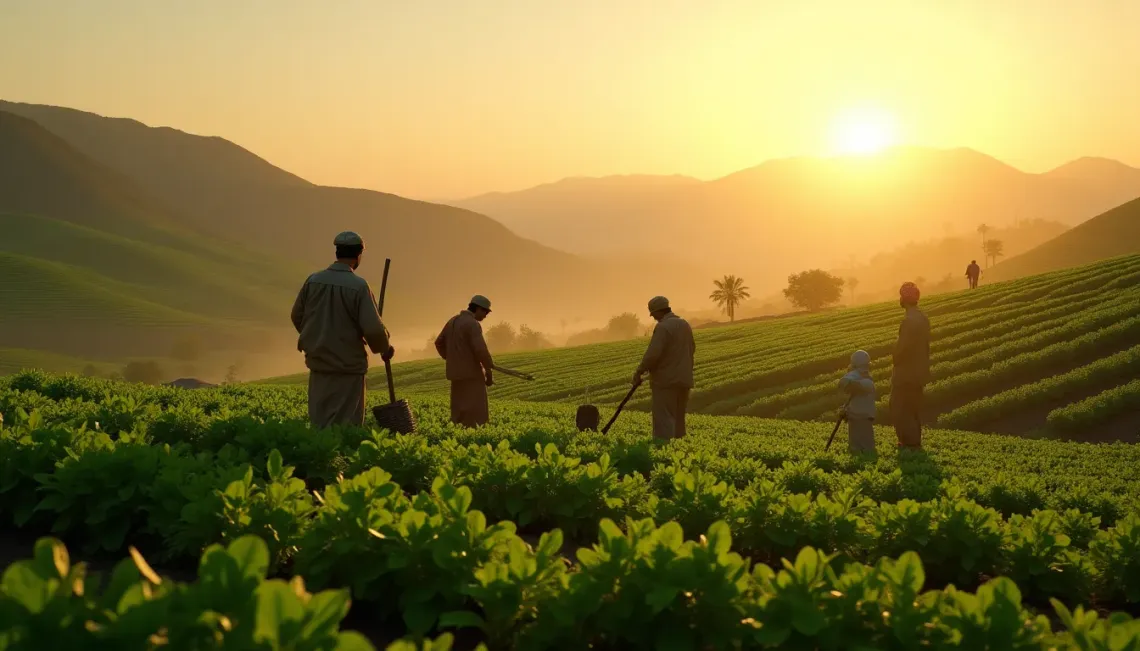
Communal gardens and workshops serve as educational hubs, where city dwellers learn about sustainable practices. By engaging citizens in activities like seed exchanges and composting tutorials, a collective effort towards an eco-friendly lifestyle is fostered. Such initiatives not only build community spirit but also spark a shared commitment to sustainable urban living.
Successful Urban Permaculture Initiatives
Several Moroccan cities have already embarked on successful projects. These include:
- The Agadir Urban Oasis: A model for integrating diverse plant species, demonstrating the viability of permaculture in even the most urbanized environments.
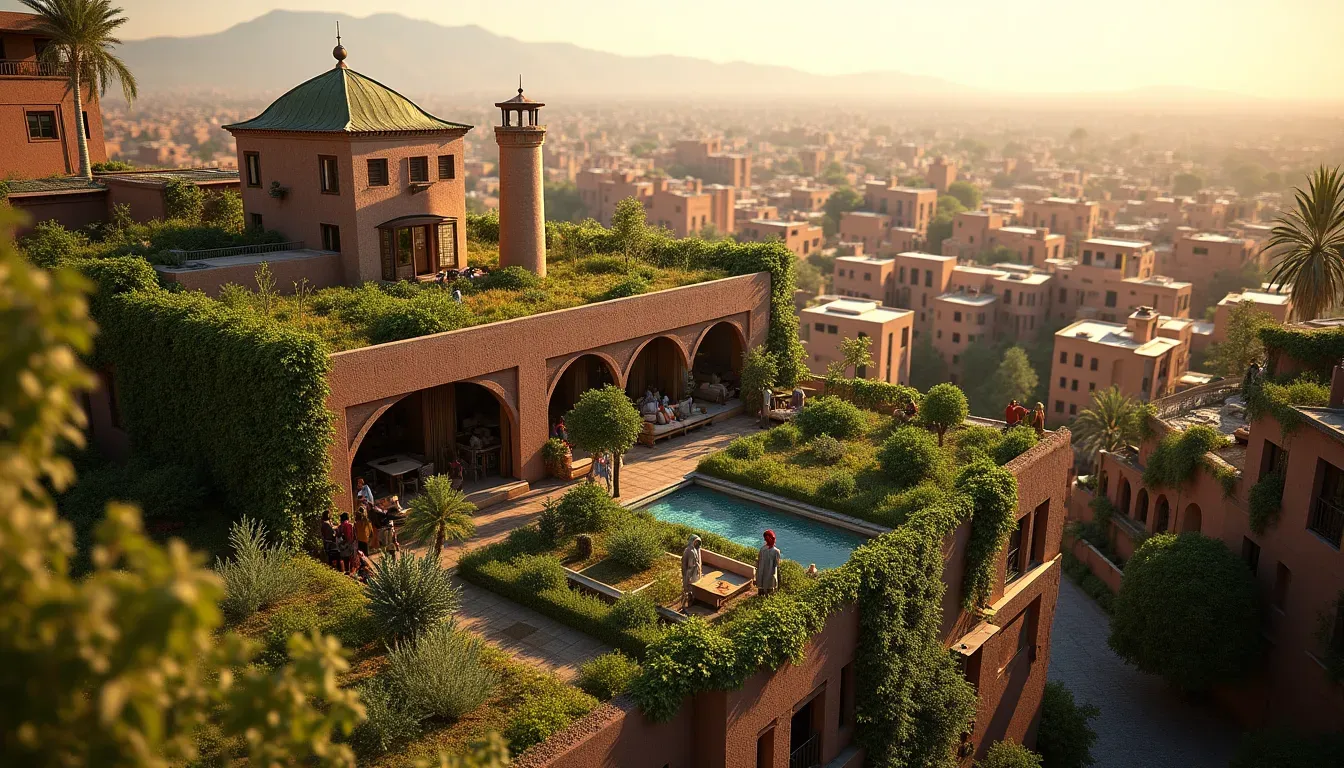
- Casablanca Roof Gardens: These spaces not only provide food but also help regulate building temperatures, which is crucial in Morocco's hot climate.
Challenges and Opportunities
Despite promising strides in implementing permaculture practices, challenges such as water scarcity and land ownership issues remain. However, with governmental support and a growing awareness of climate change impacts, Morocco has the opportunity to become a leader in sustainable urban living. Encouraging policies and incentives can catalyze the widespread adoption of permaculture.
Urban gardening and promoting an eco-friendly lifestyle are not just trends; they are essential steps toward a sustainable future. As Morocco continues to innovate and adapt these practices, it sets a sustainable precedent for other countries facing similar urban challenges. Embracing permaculture is more than cultivating land—it's about nurturing a harmonious relationship with our environment.
The journey towards sustainable urban living in Morocco is paved with innovation and community resilience. By integrating permaculture practices, Moroccan cities are on the path to a greener, more sustainable future, one leaf at a time.