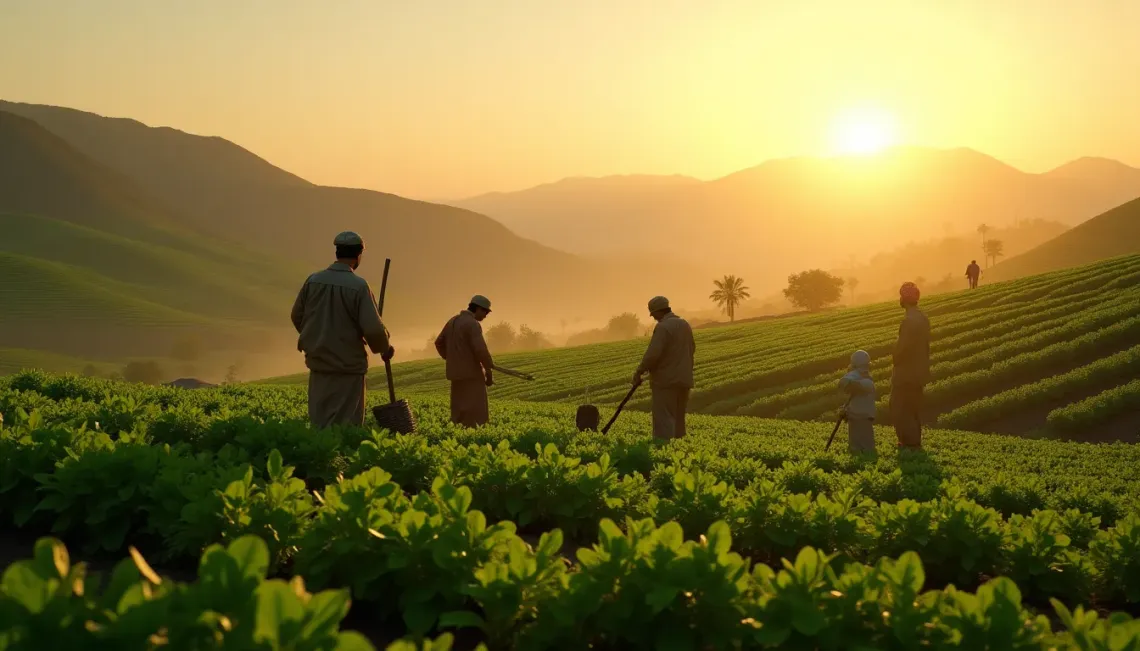
In the heart of Morocco, a growing movement embraces permaculture design to cultivate sustainable gardens. The concept, though relatively new to Moroccan homes, offers an innovative approach to eco-friendly landscaping. As families in Morocco seek ways to harmonize with nature, permaculture design principles emerge as a guiding light.
Understanding Permaculture Design
Permaculture design is an ecological philosophy that encourages working with nature rather than against it. In Moroccan homes, this involves creating sustainable gardens that are both functional and aesthetically pleasing. The design integrates plants, animals, landscapes, buildings, and people into a harmonious ecosystem.
The Principles of Successful Sustainable Gardens
Moroccan homes benefit significantly from sustainable gardens designed with permaculture principles. These include:
- Observation and Interaction: Understanding local weather patterns, soil conditions, and native plants allows for better garden planning.
- Energy Efficiency: Designing gardens to maximize natural energy sources, like sunlight and rainwater, reduces dependency on artificial inputs.
- Diversity: Encouraging a range of plant and animal life creates a balanced, resilient ecosystem.
Eco-Friendly Landscaping Techniques
Eco-friendly landscaping is pivotal in transforming Moroccan homes into green sanctuaries. Techniques such as rainwater harvesting, composting organic waste, and natural pest control are integral to these efforts. These practices lead to healthier soil and a reduction in water usage, which is crucial in Morocco's often arid climate.
Organic Gardening: A Pillar of Sustainable Living
Organic gardening forms the backbone of sustainable gardens. By avoiding synthetic fertilizers and pesticides, Moroccan homeowners preserve biodiversity and ensure the safety of their produce. Instead, they rely on composted materials and natural fertilizers to enrich the soil, promoting healthy plant growth.
Incorporating Traditional Moroccan Elements
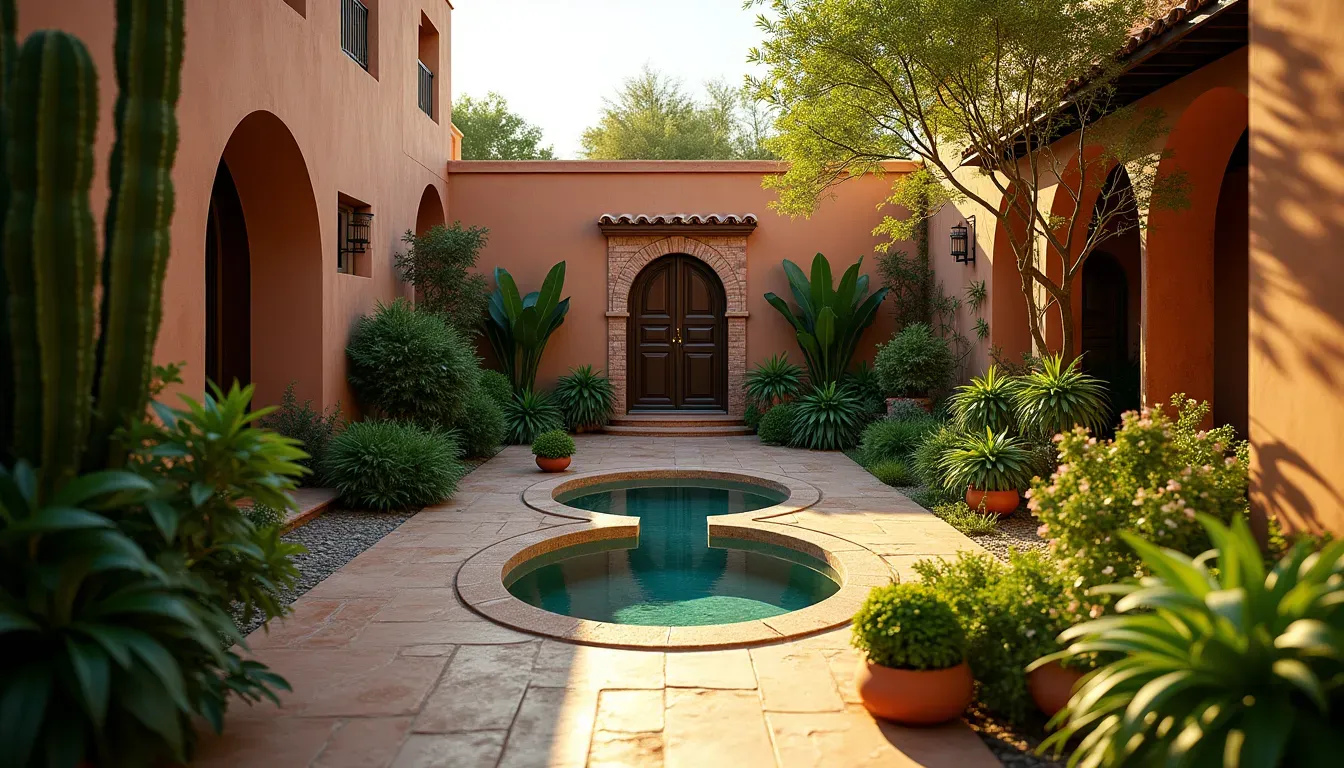
Permaculture design in Moroccan homes seamlessly blends with the country’s rich cultural heritage. Traditional elements, like riad gardens, provide shade and lush greenery, enhancing beauty and utility. Stones and tiles often used in Moroccan landscaping contribute to efficient water use and maintenance-free pathways.
Challenges and Opportunities
Implementing permaculture design in Moroccan homes is not without its challenges. Water scarcity, especially, poses significant hurdles. However, it also creates opportunities for innovation. Techniques like greywater recycling and the use of drought-resistant plants are being adopted widely.
Expanding the Movement
As awareness grows, more Moroccan homes are turning to permaculture design to create sustainable gardens. This movement not only benefits the environment but also fosters community resilience and strengthens connections among neighbors.
Final Thoughts on Permaculture Design
Embracing permaculture design in Moroccan homes epitomizes a shift towards sustainable gardens and eco-friendly landscaping. This holistic approach to living harmoniously with nature promises a greener, healthier future for generations to come. By adopting organic gardening and incorporating cultural traditions, Moroccan homes can thrive sustainably, preserving their beautiful landscapes and cherished customs.