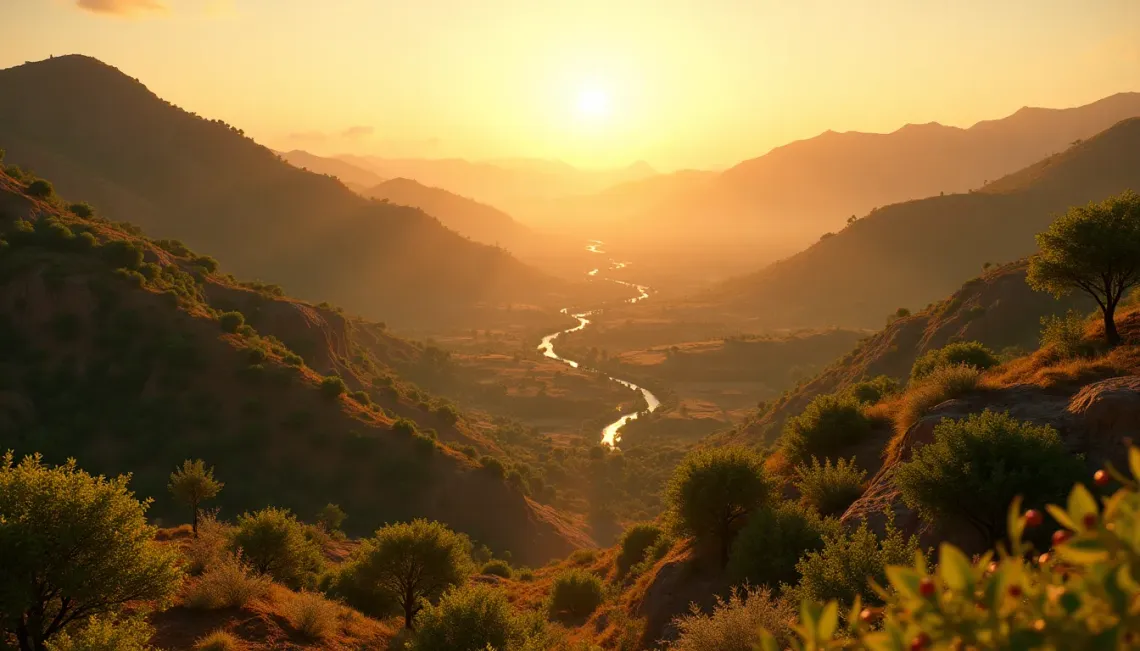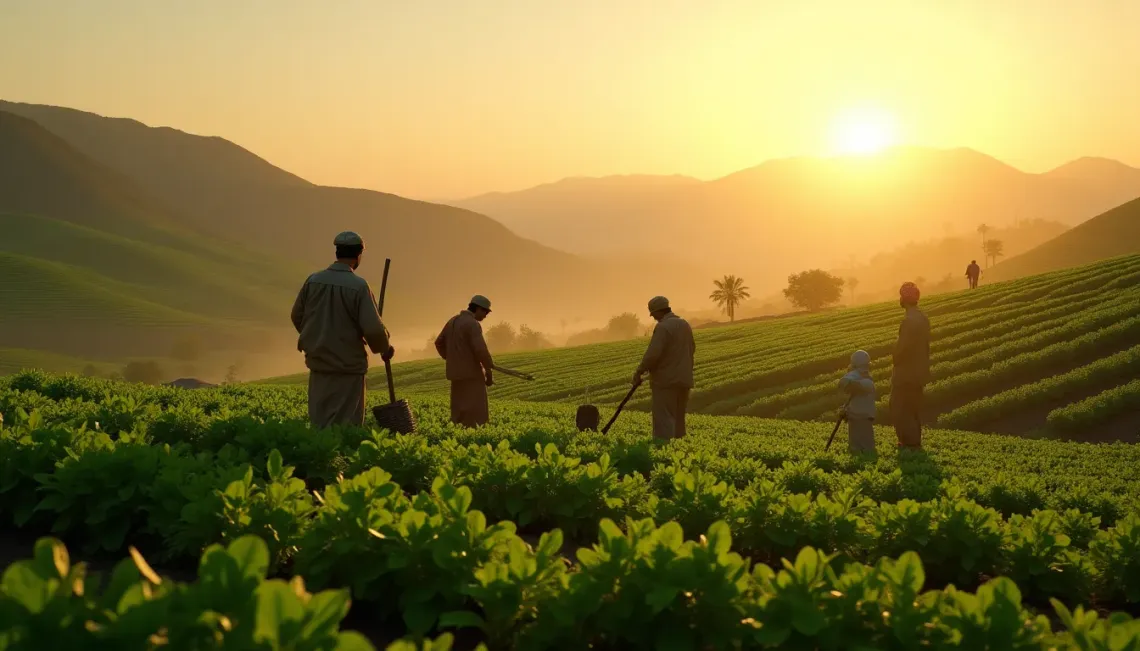
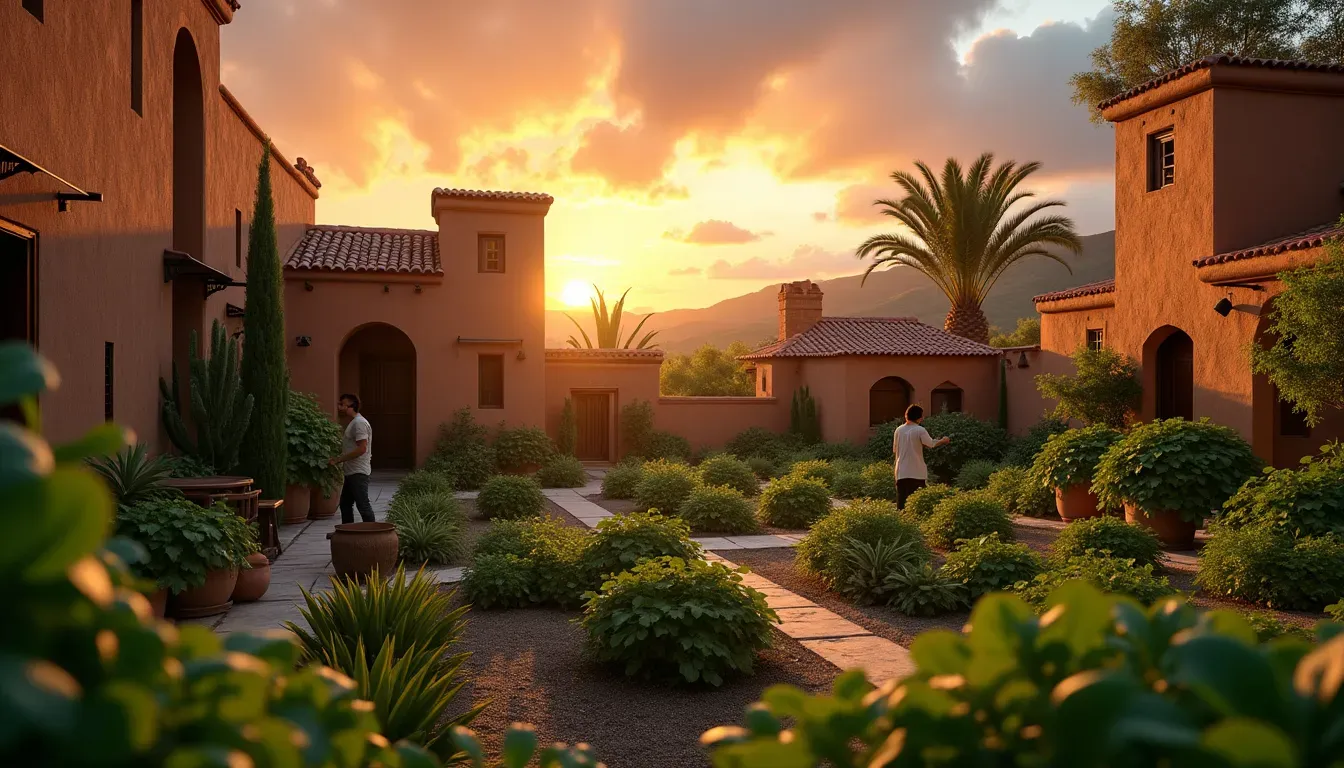
In the sun-kissed landscapes of Morocco, a new story of transformation is unfolding through the lens of permaculture. This innovative approach is not just fostering community development; it is reshaping the narrative of sustainable agriculture and environmental conservation. Let's explore how permaculture is creating ripples of change across Moroccan communities.
Understanding Permaculture in the Context of Morocco
Morocco, a nation renowned for its diverse ecosystems, is home to varied landscapes, from the fertile plains in the north to the Sahara desert in the south. Traditionally, agriculture has been the backbone of Morocco’s economy. However, the shift towards sustainable agriculture has become crucial, with permaculture leading the way.
Permaculture, with its principle of mimicking natural ecosystems, emphasizes harmony between humans and their environment. In Morocco, this concept is gaining traction as it aligns perfectly with the country’s traditions of communal living and respect for nature.
Permaculture as a Catalyst for Community Development
At the heart of Morocco’s embrace of permaculture is its profound impact on community development. By adopting sustainable practices, communities are able to:
- Enhance Local Food Security: Permaculture techniques are helping communities grow a variety of crops, ensuring a reliable food supply while minimizing reliance on imports.
- Create Employment Opportunities: As permaculture projects expand, they create jobs across various sectors, from farm management to food processing.
- Build Social Cohesion: Collaborating on permaculture projects reinforces community bonds and revitalizes cultural connections.
Implementing Sustainable Agriculture for Environmental Conservation
The significance of permaculture in Morocco extends to environmental conservation. The implementation of permaculture practices has resulted in:
- Reduced Environmental Impact: By minimizing chemical inputs and fostering biodiversity, permaculture reduces the ecological footprint.
- Soil Restoration: Techniques such as mulching and crop rotation contribute to soil health, combating desertification.
- Water Efficiency: Water conservation strategies are pivotal in Morocco’s arid regions, ensuring resources are utilized judiciously.
Promoting Permaculture Education
One of the critical drivers of community development in Morocco is the proactive education on permaculture principles. Various initiatives, such as workshops and training sessions, are being organized. This ensures that knowledge is not just confined to a select few but spread across communities, laying the foundation for long-term sustainability. Such educational endeavors are crucial stepping stones towards comprehensive permaculture education.
The Future of Permaculture in Morocco
Looking ahead, the fusion of permaculture, community development, and sustainable agriculture points towards a revitalized future for Morocco. As communities continue to embrace these principles, they not only secure their own future but also contribute to global efforts in environmental conservation.
In essence, permaculture provides a beacon of resilience and hope, signifying that when communities align closely with nature, they can thrive in harmony with their environment. For Morocco, this journey is just beginning, promising transformative impacts for generations to come.