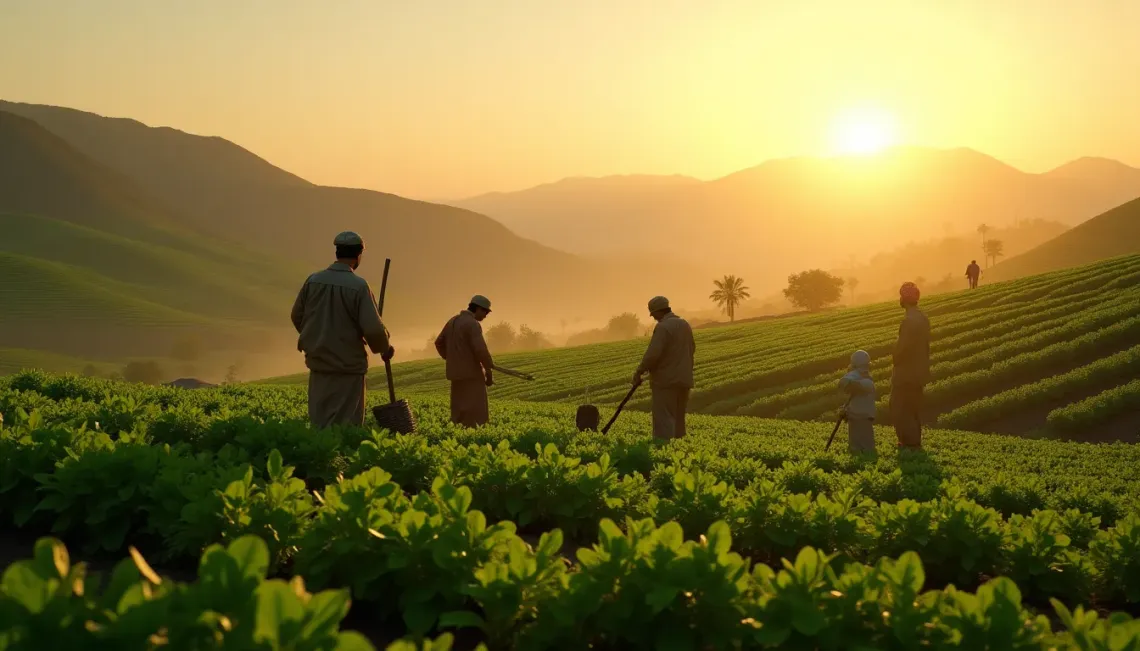

In the heart of North Africa, Moroccan landscapes are undergoing a remarkable transformation. This revolution in sustainable agriculture is fueled by an ancient yet innovative approach: permaculture. As climate change and environmental degradation become pressing concerns, nature conservation through permaculture offers a hopeful path forward.
Redefining Agriculture: The Role of Permaculture in Morocco
Permaculture is more than just a farming technique; it is a philosophy that emphasizes the harmonious integration of land, water, and people. It focuses on creating efficient and self-sustaining ecosystems, which is crucial for transforming Moroccan landscapes that are both arid and fertile.
The Principles of Nature Conservation in Permaculture
Among the many principles of permaculture, some stand out for their impact on land transformation:
- Observation and Interaction: Understanding the natural elements involved in sustainable agriculture.
- Catch and Store Energy: Maximizing natural resources like sunlight to make farming more efficient.
- Use and Value Renewable Resources: Emphasizing technologies that reduce dependency on non-renewable resources.
Impact on Moroccan Landscapes
The adoption of permaculture has already shown significant positive effects on Moroccan agricultural practices:
- Improved Soil Health: Companion planting and natural fertilizers contribute to richer, more fertile soils.
- Water Conservation: Techniques such as swales and terracing conserve vital water resources.
- Biodiversity Boost: Diverse plant and animal species thrive, enhancing the ecosystem's resilience.
Sustainable Agriculture: A Sustainable Future
As permaculture continues to reshape Moroccan landscapes, it also lays the foundation for a sustainable future. By integrating traditional agricultural wisdom with modern ecological practices, permaculture is creating a resilient environment that promotes nature conservation.
Challenges and Opportunities
Like any transformative process, the implementation of permaculture in Morocco faces challenges, including:
- Educational Barriers: Increasing awareness and understanding among local farmers.
- Resource Limitations: Access to the necessary tools and resources for effective land transformation.
However, these challenges pave the way for immense opportunities in sustainable agriculture, not only improving local livelihoods but also contributing to the global goal of environmental sustainability.
Embracing the Future of Moroccan Landscapes
Permaculture is not just an agricultural method; it's a movement that embodies nature conservation and sustainable living. By embracing permaculture, Morocco is on the path to transforming its landscapes into vibrant and sustainable ecosystems. As permaculture practices continue to evolve, they offer a beacon of hope for land transformation across diverse environments worldwide. Discover more about similar approaches like regenerative agriculture and agroforestry to further enhance your understanding of sustainable practices.