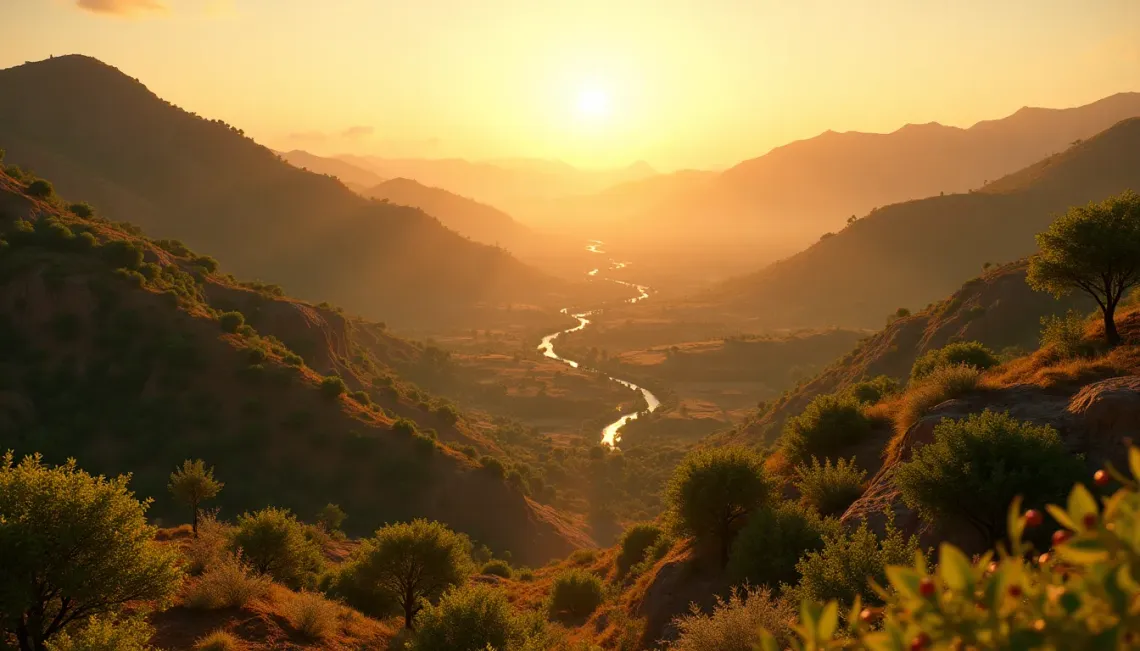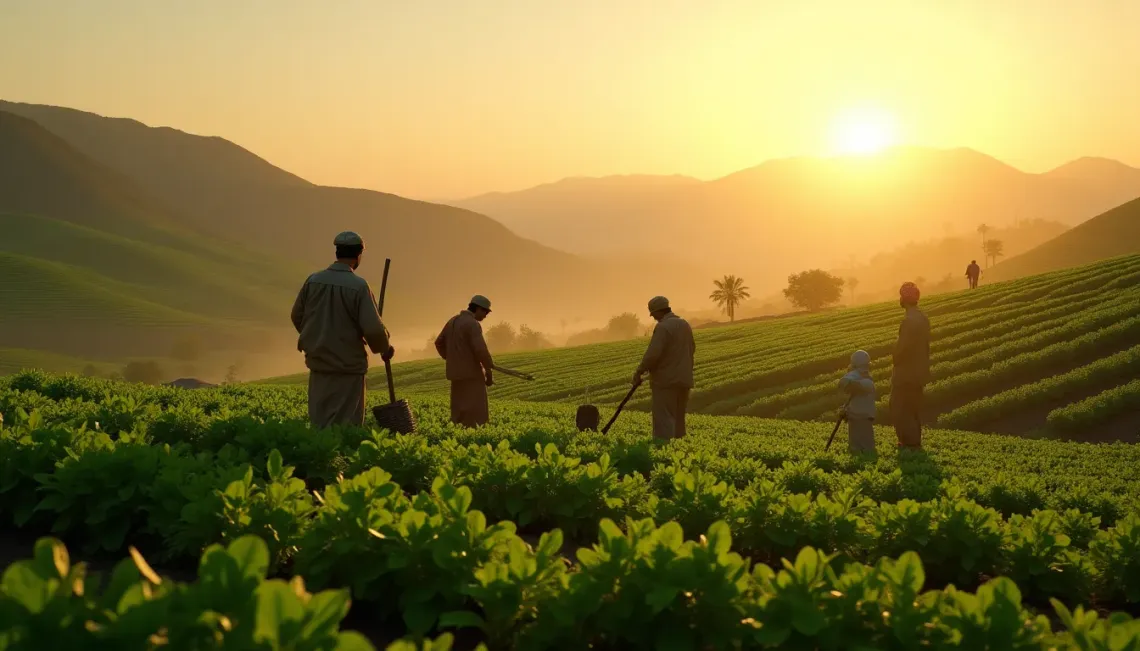
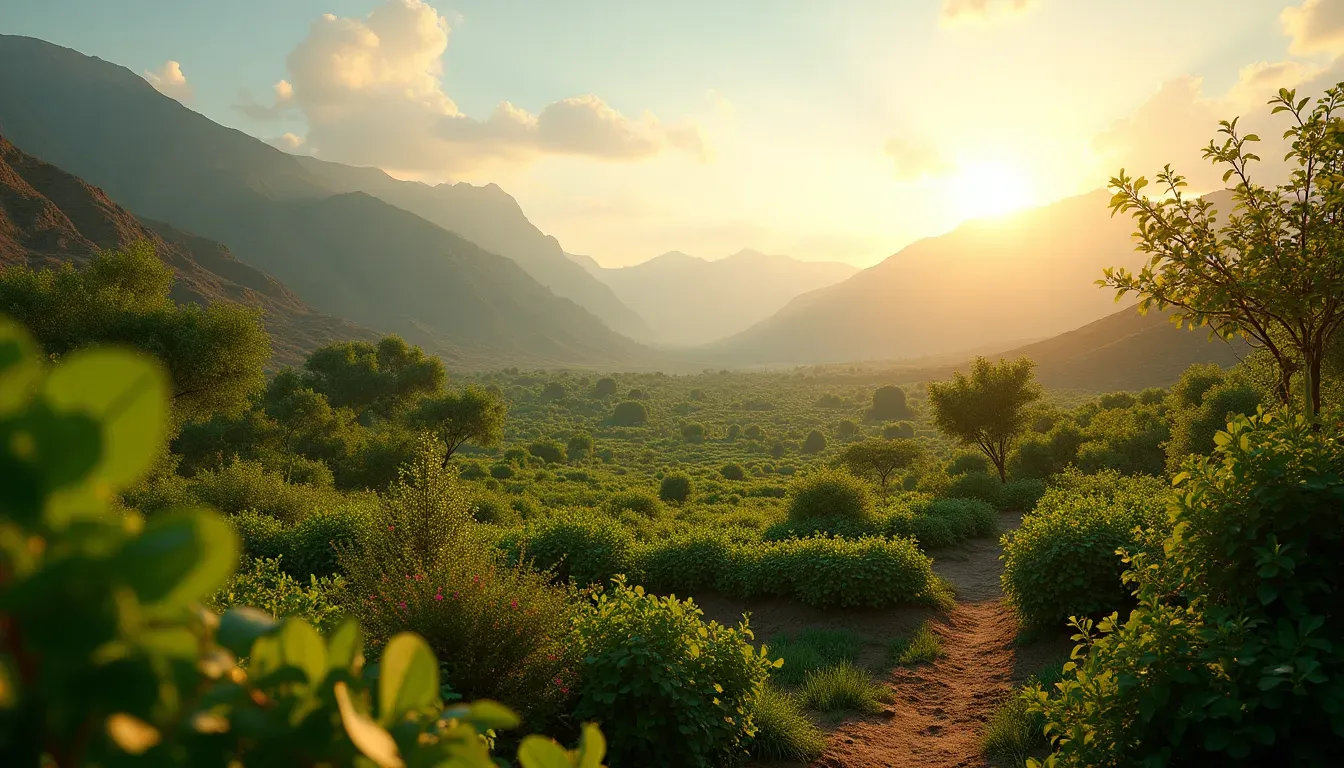
Permaculture is rapidly gaining traction in Morocco, proving to be a powerful ally in the quest for sustainable agriculture and environmental conservation. As ecological practices become increasingly vital, this transformative approach is shaping the future of agriculture and preserving Morocco’s natural landscapes.
Understanding Permaculture: A New Paradigm for Morocco
Permaculture is more than just a farming technique; it's a holistic design philosophy rooted in ecology. It emphasizes working with nature to create resilient agricultural systems. In Morocco, this approach is perfectly suited to address both ecological and economic challenges, ensuring sustainable agriculture that benefits the environment and local communities alike.
Principles of Permaculture: A Guide for Sustainable Agriculture
The principles of permaculture include:
- Using renewable resources
- Creating no waste
- Observing and interacting with natural ecosystems
- Integrating rather than segregating tasks and resources
These principles provide a framework for developing agricultural practices that align with Morocco's ecological needs, helping farmers achieve sustainability.
Impact of Permaculture on Morocco’s Ecology
In Morocco, permaculture is influencing ecology by promoting biodiversity and soil health. By adopting methods such as crop rotation and agroforestry, farmers can enhance the fertility of the land while minimizing environmental degradation. This has a positive impact on sustainable agriculture and supports Morocco’s goals for environmental conservation.
Prominent Permaculture Projects in Morocco
Several permaculture projects are leading the way in Morocco's transition towards ecological farming:
- The Moroccan National Permaculture and Agroecology Network (MNPAN): A collaborative effort that offers training and resources to local farmers.
- The Oases of the Sahara: Initiatives here focus on water conservation and soil rejuvenation to combat desertification.
- High Atlas Foundation: Engages communities in planting trees and sustainable land management.
Challenges and Opportunities in Ecological Practices
Implementing permaculture in Morocco comes with its set of challenges, such as resource limitations and climate variability. However, opportunities abound for advancing environmental conservation through education, community involvement, and government support. By prioritizing these efforts, Morocco can strengthen its commitment to sustainable agriculture and make substantial ecological progress.
The Future of Permaculture in Morocco
As the world recognizes the necessity of environmental conservation, permaculture stands out as a promising path forward. In Morocco, it offers a scalable model for sustainable agriculture that other nations can emulate. By nurturing the land and fostering community collaboration, Morocco can secure a resilient ecological future.
As permaculture continues to flourish, Morocco's ecological initiatives will likely expand, providing vital insights into sustainable living and resource management. Embracing permaculture not only enhances Morocco’s landscape but also champions a global movement towards environmental stewardship.
For those interested in learning more about the intertwining fields of renewable energy and climate change mitigation, both of which complement the principles of permaculture, further exploration is encouraged.