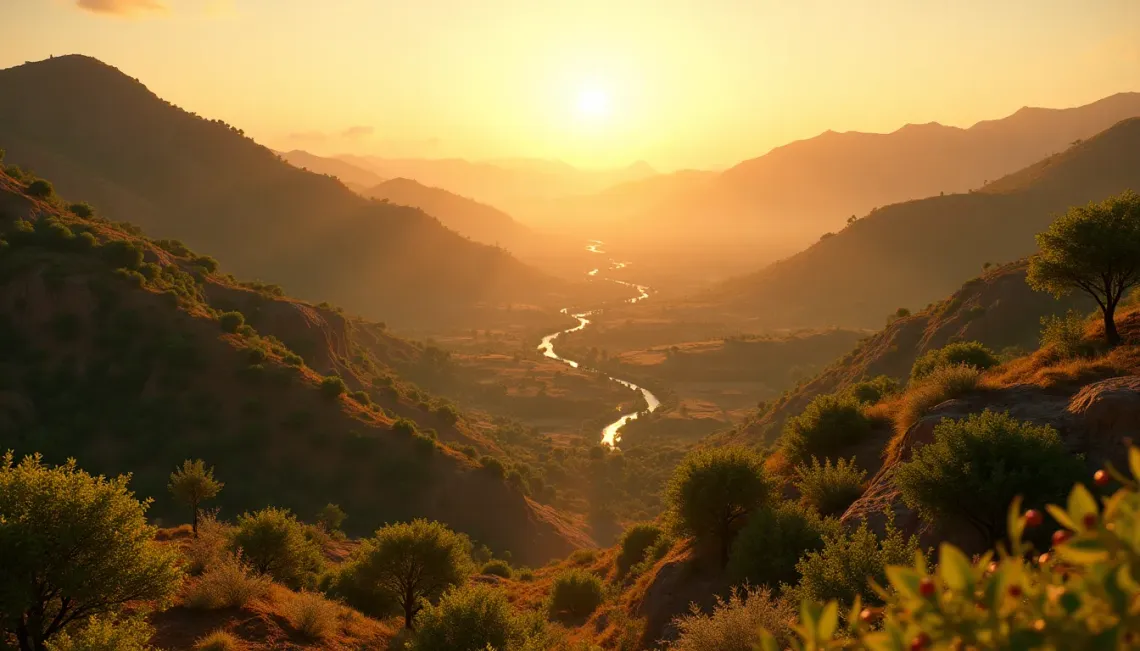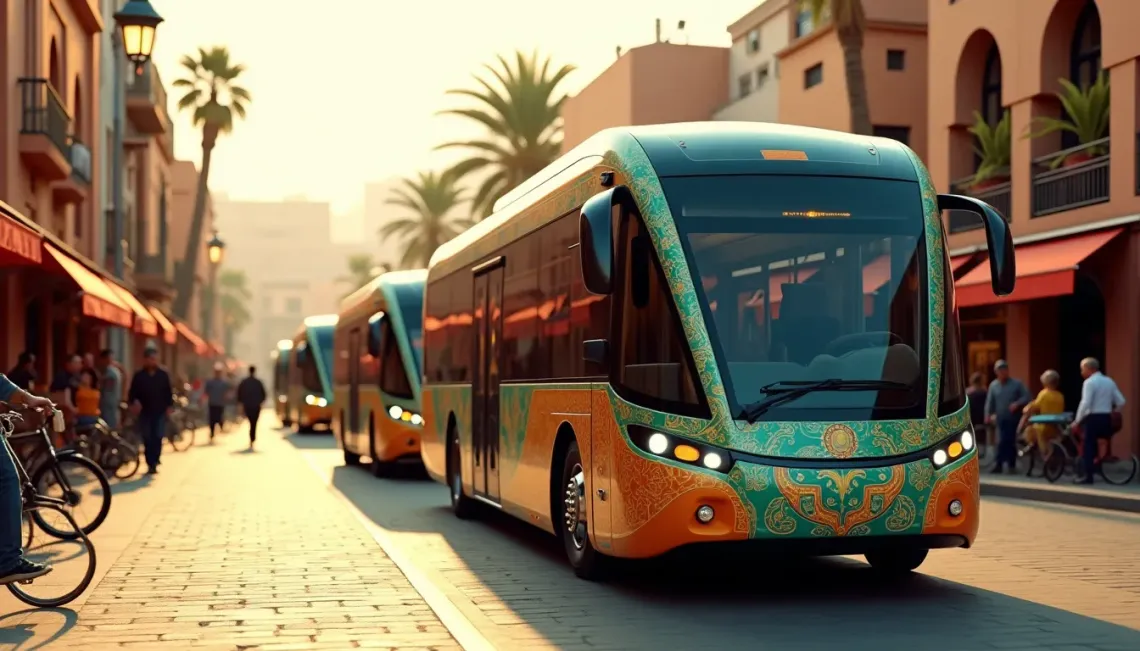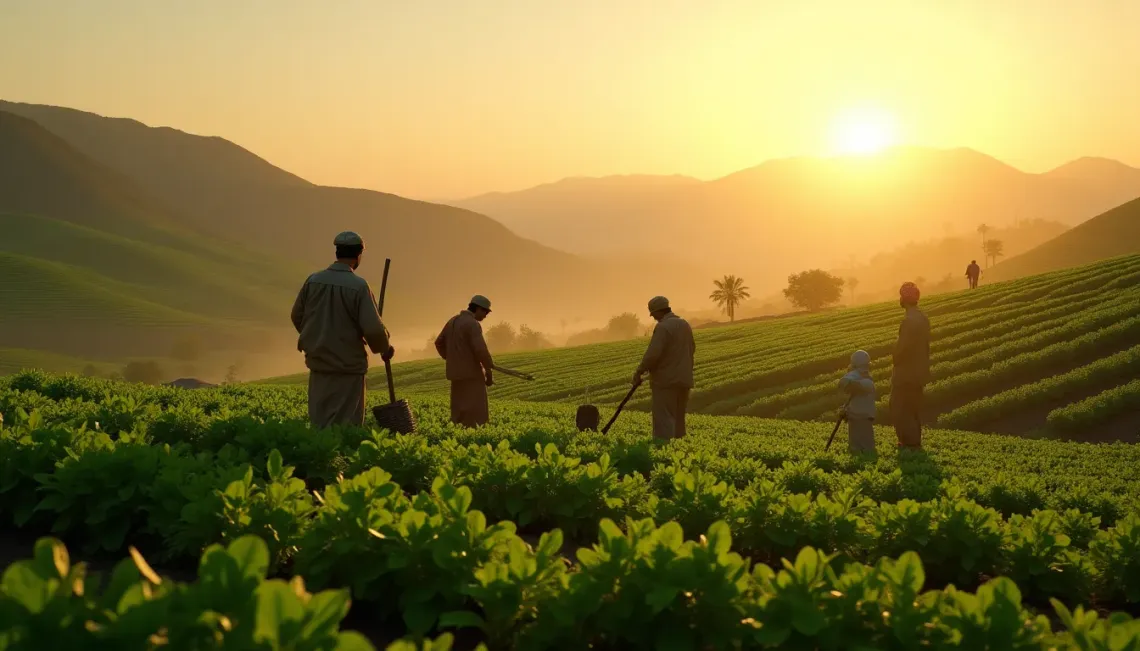
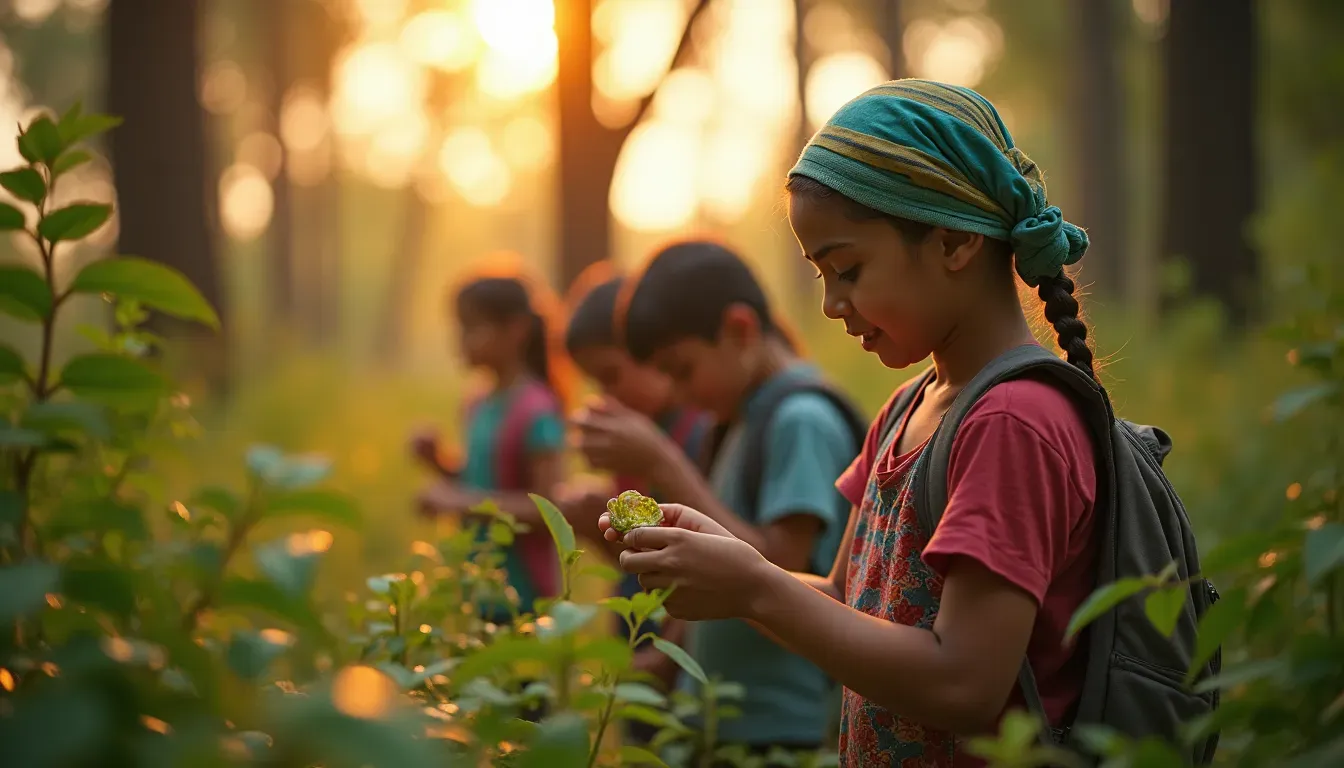
The lush landscapes and diverse ecosystems of Morocco serve as a profound reminder of the critical need for ecology education in nurturing the next generation of Moroccan environmentalists. As the global climate continues to shift, spurring both challenges and opportunities, the importance of robust environmental education cannot be overstated. This article delves into how Morocco is leading by example in equipping its youth with the necessary tools and knowledge to champion sustainability.
Understanding the Core of Ecology Education
Ecology education in Morocco goes beyond basic academic instruction. It integrates experiential learning and hands-on activities that relate directly to the nation's unique environmental contexts. By fostering a deep understanding of local ecosystems, this education paradigm equips students to become proactive agents of change within their communities.
Key Components of Environmental Education in Morocco
- Curriculum Integration: Schools incorporate ecology and sustainability education topics into their curricula, ensuring students gain a comprehensive understanding.
- Field Activities: Excursions to national parks and protected areas allow students to observe biodiversity first-hand.
- Community Involvement: Students engage in community projects that emphasize sustainable practices, such as waste reduction and water conservation.
Empowering the Next Generation of Moroccan Environmentalists
By focusing on local ecological challenges and solutions, Morocco is cultivating a next generation prepared to tackle pressing environmental issues. Young Moroccan environmentalists are learning to harness traditional knowledge and modern technology to devise strategies that promote sustainability.
Strategies for Effective Sustainability Education
Several strategies are key to the success of sustainability education programs in Morocco:
- Integration with Cultural Values: Programs link environmental stewardship with Moroccan cultural values, fostering a sense of responsibility.
- Collaboration with NGOs: Partnerships with local NGOs provide students with opportunities to engage in real-world environmental initiatives.
- Use of Technology: Educational technologies are leveraged to simulate environmental management scenarios and solutions.
Related Topics and Further Study
For those interested in enhancing their understanding of ecology education, examining the role of ecotourism in Morocco provides valuable insights into sustainable economic development. The influence of renewable energy projects is another area of interest, illustrating how Morocco is embracing green technology.
In closing, Morocco’s commitment to ecology education is pivotal in arming the next generation with the skills necessary to thrive as Moroccan environmentalists. Through a combination of local insights and global perspectives, students are not merely learning about their environment but are actively involved in crafting a sustainable future.