Morocco, a country renowned for its rich culture and history, is equally celebrated for its diverse ecosystems and unique environmental landscapes. The task of Morocco conservation is crucial not only for ecological preservation but also for heritage protection, as both are intrinsically linked to the country's identity and future sustainability. This article delves into the efforts and challenges in preserving Morocco's ecological wealth and heritage.
Understanding Morocco's Diverse Ecosystems
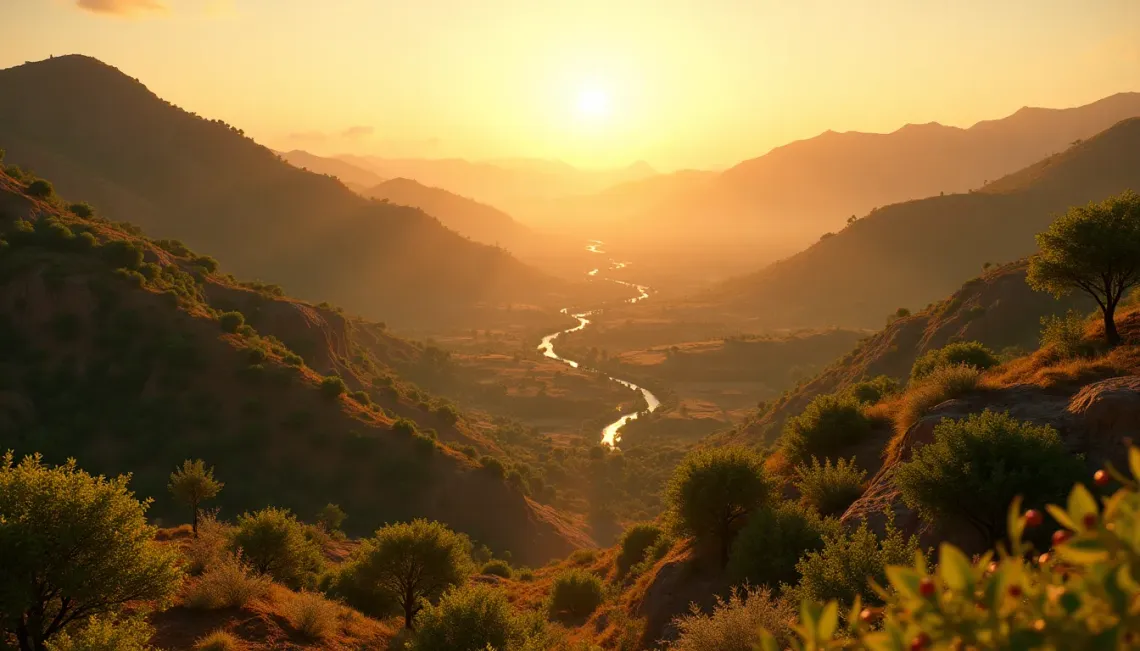
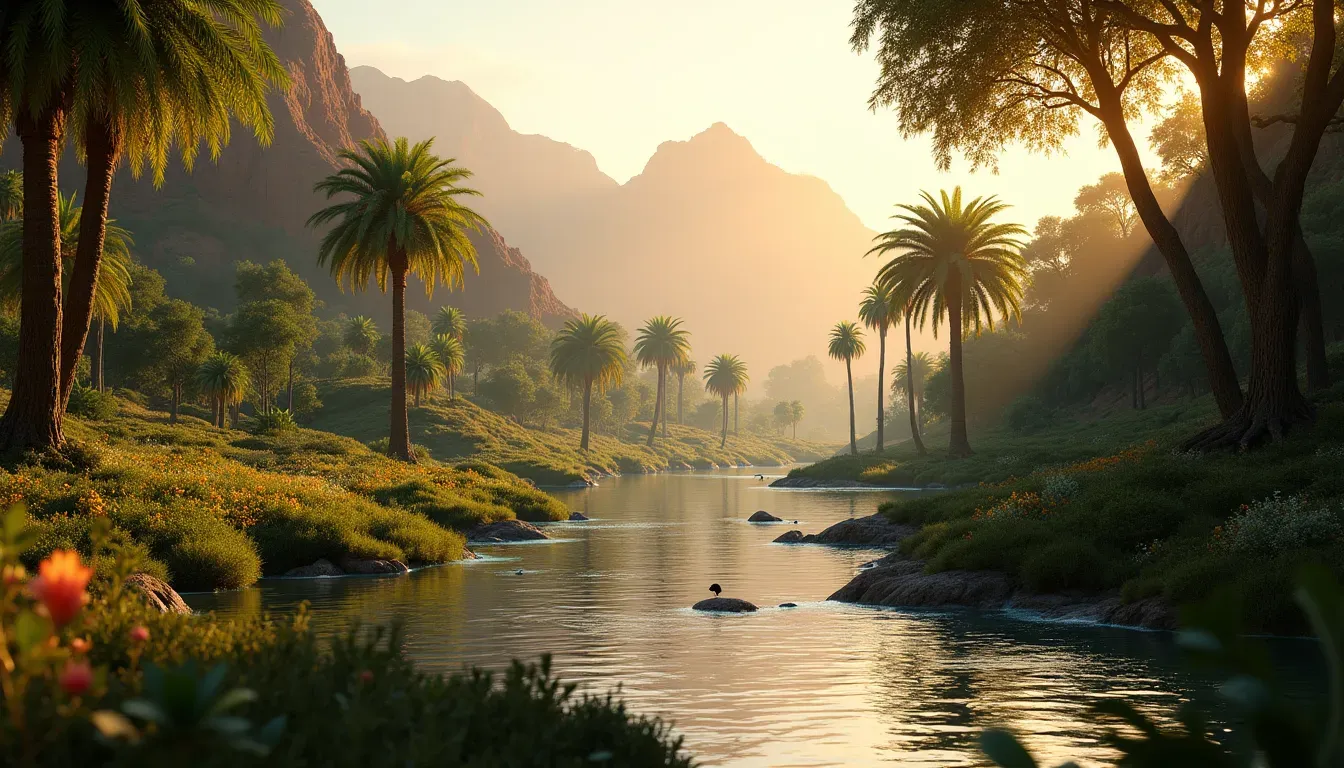
Morocco is home to a wide array of ecosystems, from the lush forests of the Rif and Middle Atlas mountains to the arid expanses of the Sahara Desert. Each of these regions hosts a variety of flora and fauna, some of which are endemic to Morocco. The biodiversity in these areas is vital for ecological balance and offers significant opportunities for sustainable tourism.
Threats to Morocco's Ecology and Heritage
Despite the ecological richness, Morocco's environments face several threats. Overgrazing, deforestation, and climate change pose significant risks to the country's natural landscapes, making ecological preservation increasingly challenging. Additionally, urbanization and industrialization have led to habitat loss and pollution, endangering both biodiversity and cultural heritage sites.
Conservation Initiatives in Morocco
Efforts to address these challenges are underway, involving cooperation between local communities, government bodies, and international organizations. Key initiatives for Morocco conservation include:
- Establishing national parks and protected areas to safeguard biodiversity.
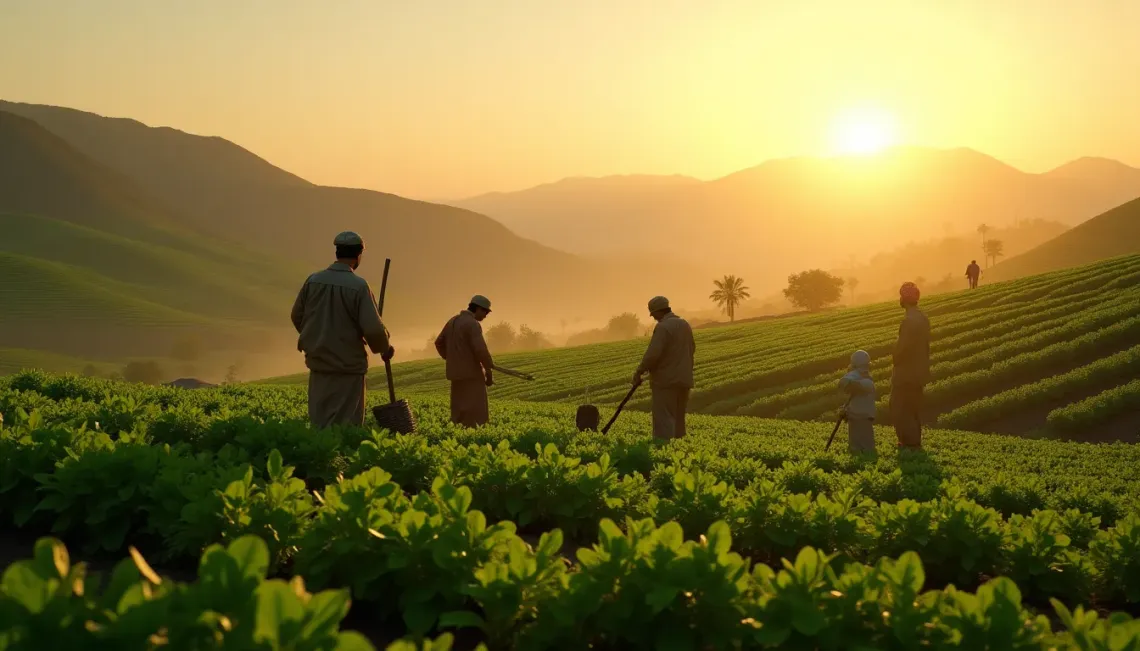
- Promoting sustainable agricultural practices to reduce environmental impact.
- Engaging in reforestation projects to combat desertification.
Furthermore, community-based programs aim to blend traditional knowledge with modern ecological practices, ensuring that heritage protection goes hand-in-hand with environmental management.
Heritage Protection and Environmental Sustainability
Heritage protection in Morocco extends beyond cultural preservation; it encompasses the maintenance of natural sites that have historical and cultural significance. For instance, the preservation of the High Atlas mountains not only protects unique wildlife but also maintains ancient Berber traditions closely tied to the landscape.
By fostering environmental sustainability, Morocco can ensure the longevity of its natural and cultural heritages, securing them for future generations. The integration of green technologies and renewable energy also supports this goal, reducing carbon emissions and promoting sustainable development.
The Role of Education and Community Engagement
Education plays a pivotal role in ensuring the success of ecology preservation efforts. Raising awareness about the importance of conserving Morocco's diverse ecosystems encourages local and global communities to participate actively. Schools and NGOs are increasingly involved in educational campaigns that emphasize the connection between a healthy environment and thriving communities.
Conclusion: A Sustainable Future for Morocco
In the interplay of ecology and heritage, Morocco's path forward lies in balanced conservation strategies that address both human needs and environmental vitality. By integrating conservation with heritage protection and adopting sustainable practices, Morocco is poised to preserve its diverse ecosystems for future generations. This holistic approach not only benefits the environment but also strengthens the country's cultural and historical legacy, paving the way for a sustainable future.