In recent years, the concept of community-driven ecology has gained significant traction as a means to enhance environmental preservation. Morocco, with its diverse ecosystems and vibrant communities, is a prime example of how engaging locals can lead to impactful sustainable practices. This article delves into the mechanisms by which Moroccans are involved in local conservation efforts, thus fostering a more sustainable future.
Understanding Community-Driven Ecology
Community-driven ecology emphasizes local involvement in ecological conservation. It empowers communities to take charge of their natural surroundings, ensuring that the benefits of conservation are felt at the grassroots level. For Morocco, this approach harnesses traditional knowledge and modern practices, promoting biodiversity while enhancing rural livelihoods.
Engaging Moroccans in Environmental Preservation
Engaging Moroccans in environmental preservation initiatives involves more than just awareness; it requires action and commitment. Various strategies have proven effective:
- Educational Programs: Initiatives that educate citizens about sustainable practices and the importance of biodiversity conservation are crucial.
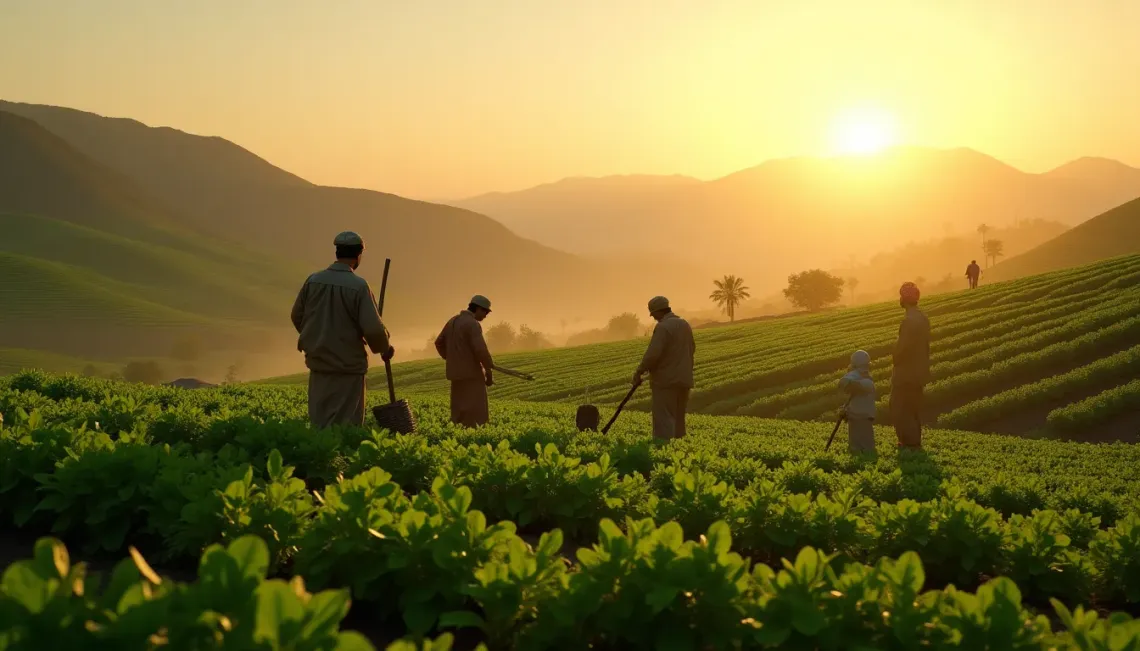
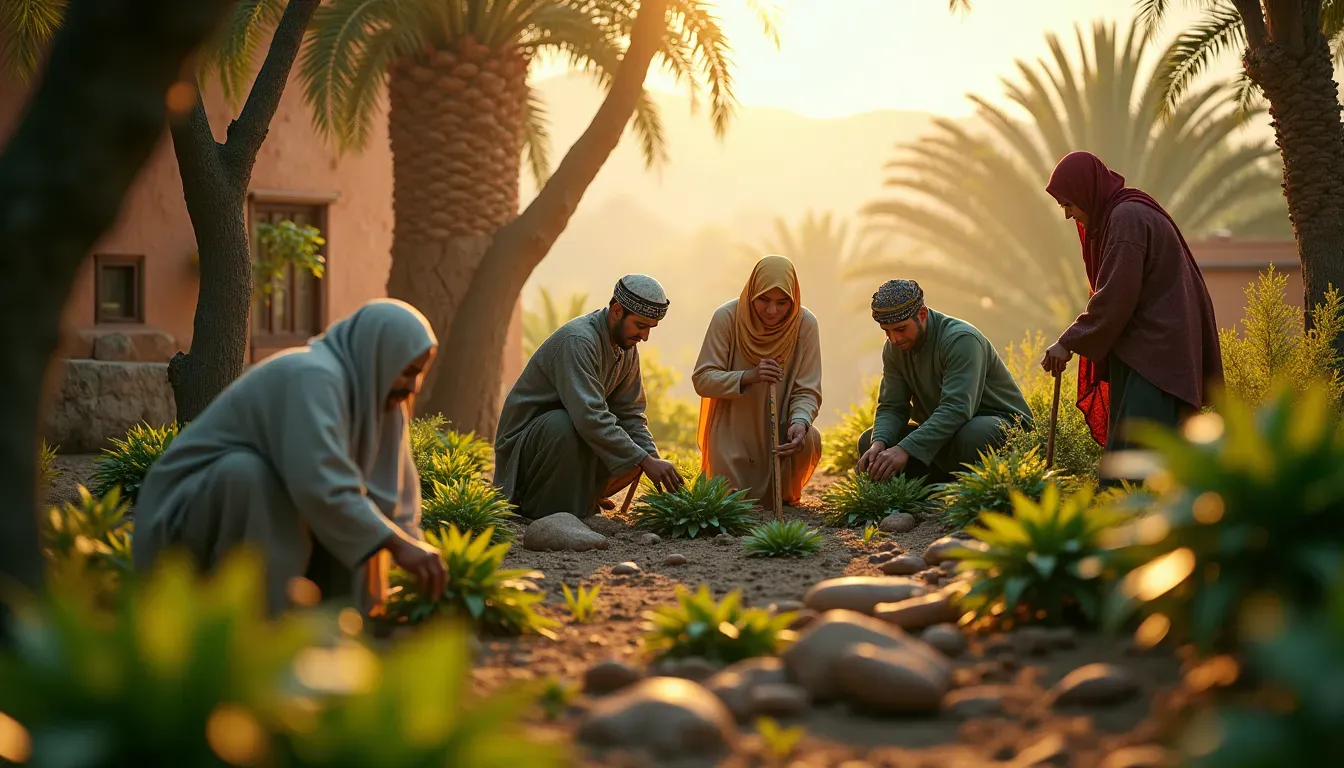
- Community Projects: Projects led by local leaders encourage participation and provide a platform for collective action.
- Partnerships: Collaborations between government agencies, NGOs, and local communities enhance resource mobilization and increase the effectiveness of conservation efforts.
Local Conservation Efforts
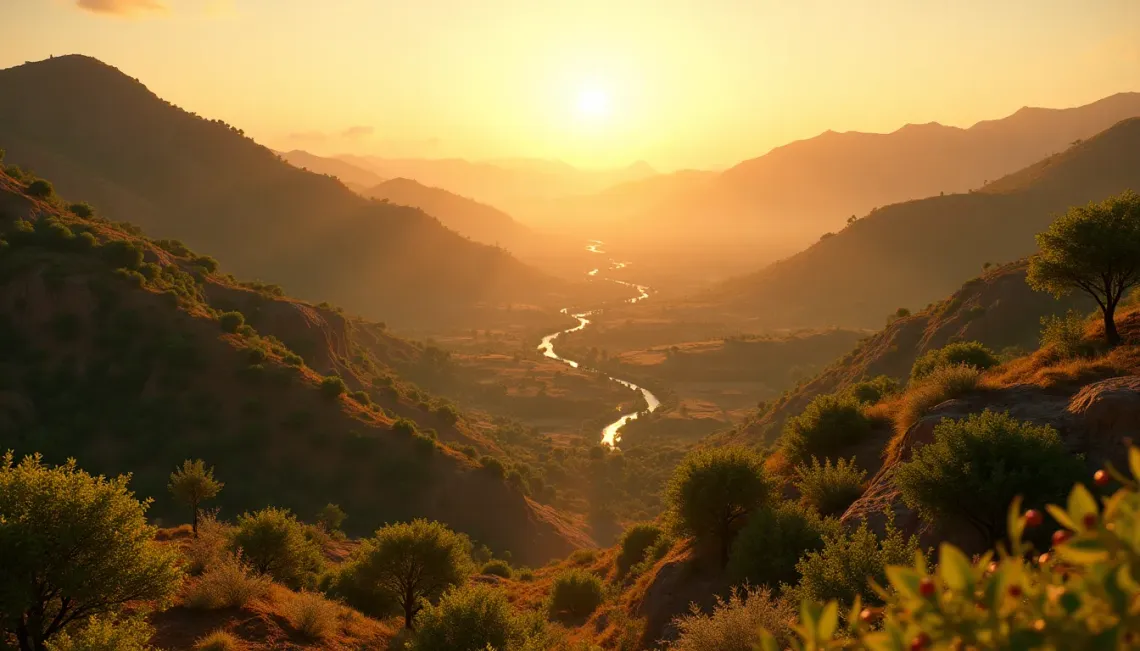
Local conservation efforts in Morocco spotlight the symbiotic relationship between communities and their environments. Projects like the reforestation of native plant species and the protection of endangered wildlife demonstrate a commitment to preserving the country's natural heritage. By actively engaging Moroccans in these endeavors, sustainable practices become a part of the cultural fabric.
The Role of Traditional Knowledge
Moroccan communities possess a wealth of traditional knowledge that is invaluable to ecological conservation. Techniques passed down through generations often align with modern sustainability goals. By integrating ancient wisdom with contemporary science, Morocco's conservation initiatives become more robust and culturally relevant.
Challenges and Opportunities
Despite the progress made, challenges such as climate change and resource limitations persist. Addressing these requires adaptive strategies and an openness to innovation. Opportunities for growth include:
- Expanding Eco-tourism: Leverage Morocco's natural beauty to promote eco-friendly tourism, providing economic incentives for conservation.
- Policy Development: Strengthening policies that support community-driven ecology can facilitate greater participation and long-term sustainability.
- Technological Integration: Utilizing technology for data collection and monitoring can improve the efficiency and impact of conservation projects.
In conclusion, community-driven ecology is transforming how environmental preservation is approached in Morocco. By engaging Moroccans in sustainable practices and bolstering local conservation efforts, the country sets an example for others to follow. As initiatives continue to grow, they offer a blueprint for balancing ecological integrity with socioeconomic development.
Explore similar topics in our article on Sustainable Community Planning to further understand how local actions shape global environmental outcomes.