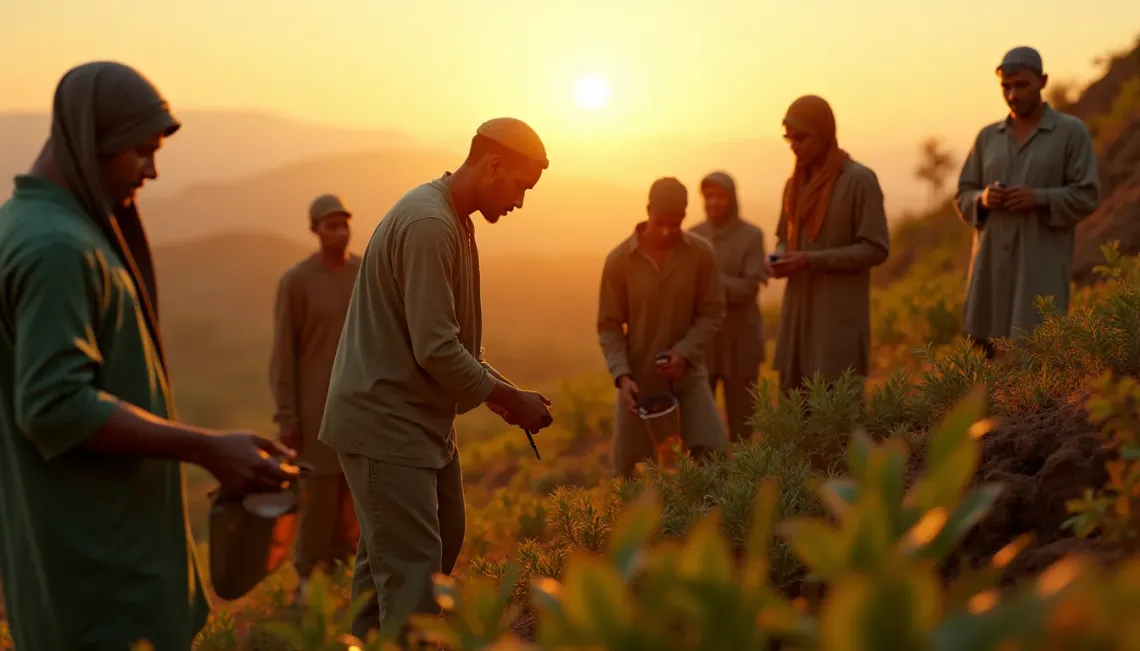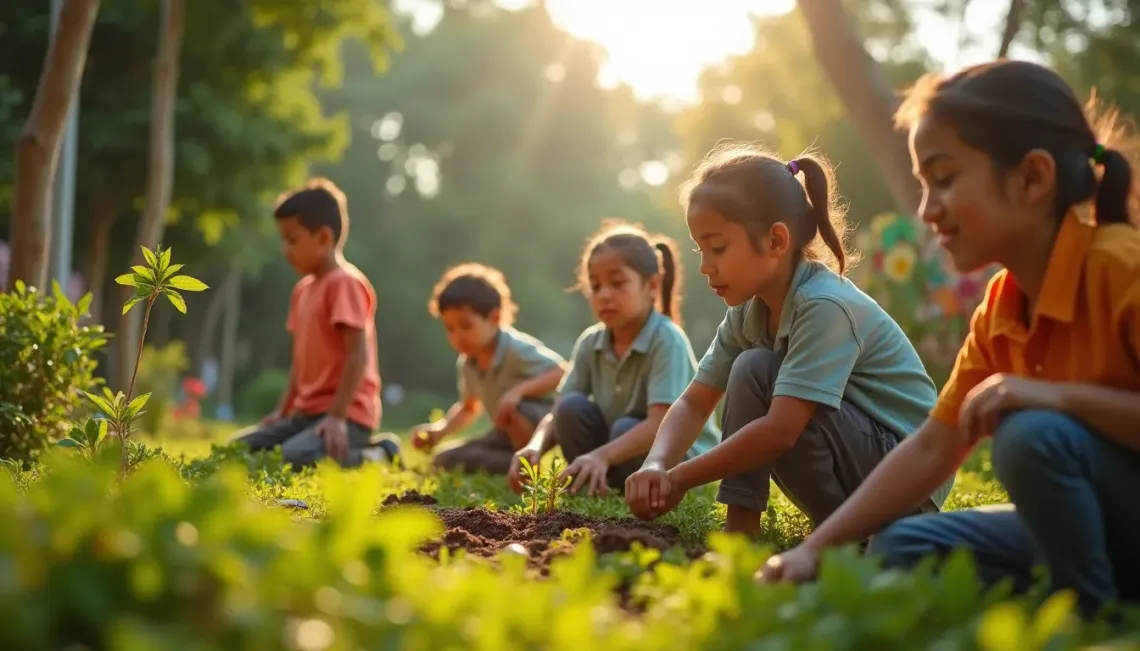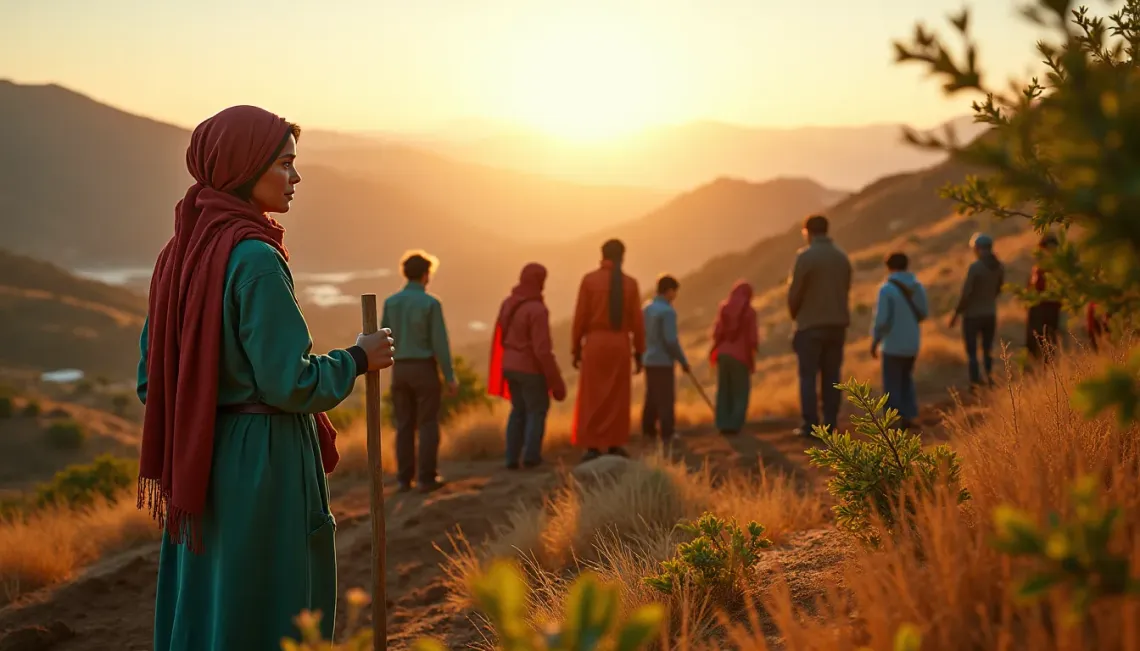

In recent years, the concepts of charity and sustainability have taken on unprecedented importance, creating a symbiotic relationship with far-reaching implications, particularly in countries like Morocco. This North African nation recognizes the immense potential of combining charity with sustainability to drive positive social impact and foster environmental responsibility.
The Emergence of Sustainable Charity in Morocco
Charitable initiatives in Morocco have traditionally focused on providing immediate relief. However, the growing emphasis on sustainability has transformed these efforts into long-term, impactful projects. Integrating sustainability into charity work ensures that initiatives not only meet present needs but also preserve resources for future generations.
Why Sustainability Matters in Charity
Incorporating sustainability into charity allows for more effective utilization of resources and creates a cycle of ongoing benefit. This approach addresses both environmental challenges and the underlying causes of social inequalities, nurturing a healthier ecosystem for communities across Morocco.
- Resource Efficiency: Sustainable practices minimize waste and reduce consumption, making more resources available for charitable causes.
- Education and Awareness: Programs that focus on sustainable living educate communities about the long-term benefits of environmental stewardship.
- Economic Opportunities: Sustainable initiatives often generate new economic prospects, which can significantly uplift communities.
Charity Initiatives with a Focus on Environmental Responsibility
Various organizations in Morocco are aligning their missions with sustainability goals, enhancing their social impact while upholding environmental responsibility. These initiatives highlight the integral role of the environment in supporting human welfare.
Successful Models of Sustainable Charity
Several projects in Morocco exemplify the effective merger of charity and sustainability. These include:
- Eco-friendly Housing Projects: These projects not only provide shelter but also incorporate renewable materials and technologies.
- Sustainable Agriculture Programs: By promoting organic farming and water conservation, these initiatives support food security and environmental protection.
- Renewable Energy Installations: Implementing solar and wind energy solutions in rural areas helps reduce dependency on non-renewable resources.
The Role of Non-Governmental Organizations (NGOs)
NGOs in Morocco play a crucial role in merging charity with environmental responsibility. These organizations serve as catalysts for change, fostering collaborations between government entities, businesses, and local communities.
Creating Lasting Social Impact
By championing sustainable practices, NGOs ensure that charity efforts lead to enduring improvements in living conditions. Their work also encourages a culture of environmental responsibility, crucial for the well-being of future generations in Morocco.
Conclusion: The Future of Charity and Sustainability in Morocco
The interplay between charity and sustainability is reshaping Morocco's approach to social and environmental challenges, proving that the two can coexist harmoniously. Through their combined efforts, Morocco emerges as a model for other nations seeking to enhance social impact while fulfilling environmental responsibility. As these initiatives continue to grow, the potential to create sustainable change becomes a tangible reality, benefiting both current and future generations.