In the heart of North Africa, Morocco stands as a beacon of cultural richness and vibrant traditions. From its bustling souks to its serene landscapes, Morocco also offers a unique stance on charitable acts and environmental impact. This article delves into these themes from a Moroccan perspective, exploring how social responsibility and sustainable giving are beautifully intertwined.
The Tradition of Charitable Acts in Morocco
Charitable acts are deeply rooted in Moroccan society, often inspired by Islamic teachings that emphasize social responsibility and care for the less fortunate. In Morocco, charity is not merely a duty but a way of life. There are several facets of charitable acts that are commonly practiced:
- Zakat: One of the Five Pillars of Islam, it represents a form of obligatory giving that ensures wealth is distributed among those in need.
- Sadaqa: Voluntary charity used primarily to support community needs, from education to healthcare.
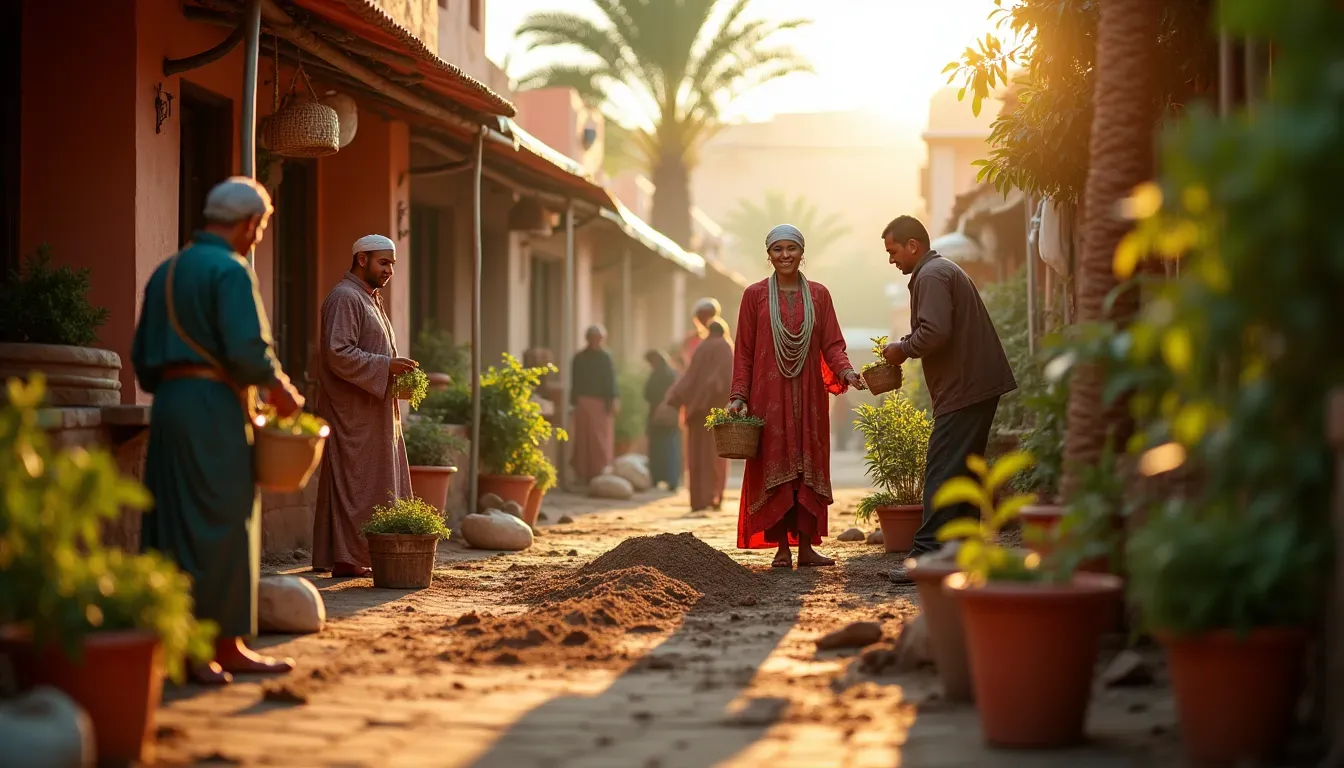
- Community Engagement: Local initiatives often focus on uplifting communities through donations, volunteerism, and sustainable practices.
Environmental Impact and Its Cultural Underpinnings
The environmental impact has become a pressing issue worldwide, and Morocco is no different. In fact, Morocco has made noteworthy efforts on this front. With a commitment to green energy and sustainable practices, the nation has laid down ambitious plans ranging from solar power projects to forest conservation.
Sustainability Initiatives
Morocco's efforts in environmental sustainability highlight the intertwined nature of charitable acts and ecological responsibility:
- Renewable Energy Projects: Morocco has made significant investments in solar and wind power, setting an example in sustainable giving that also benefits global environmental health.
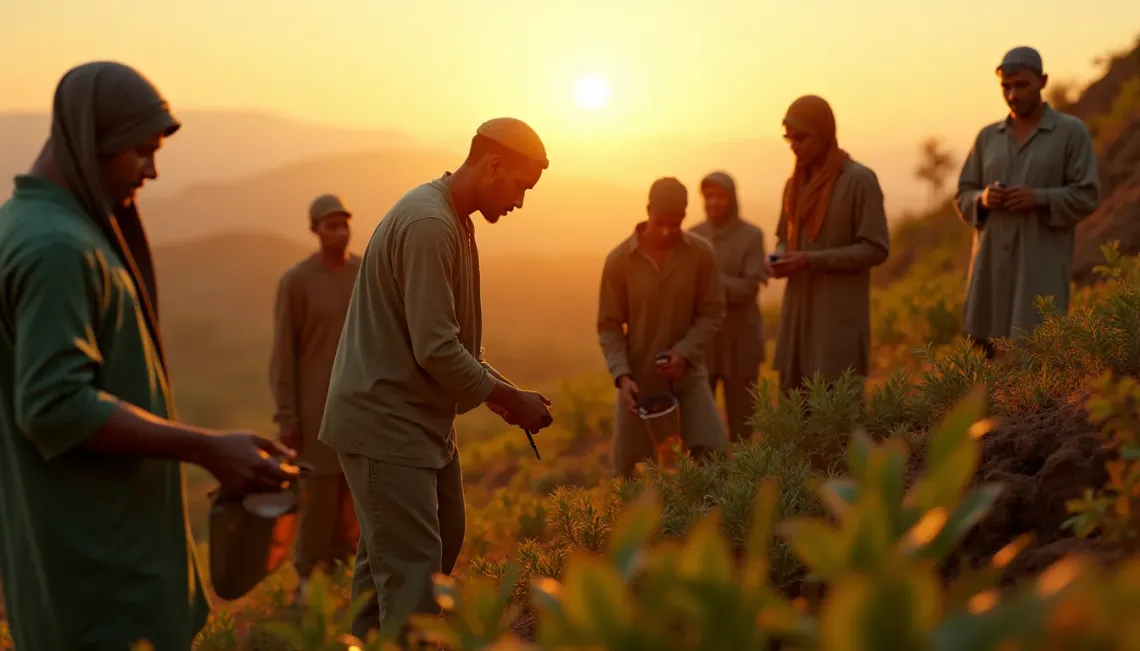
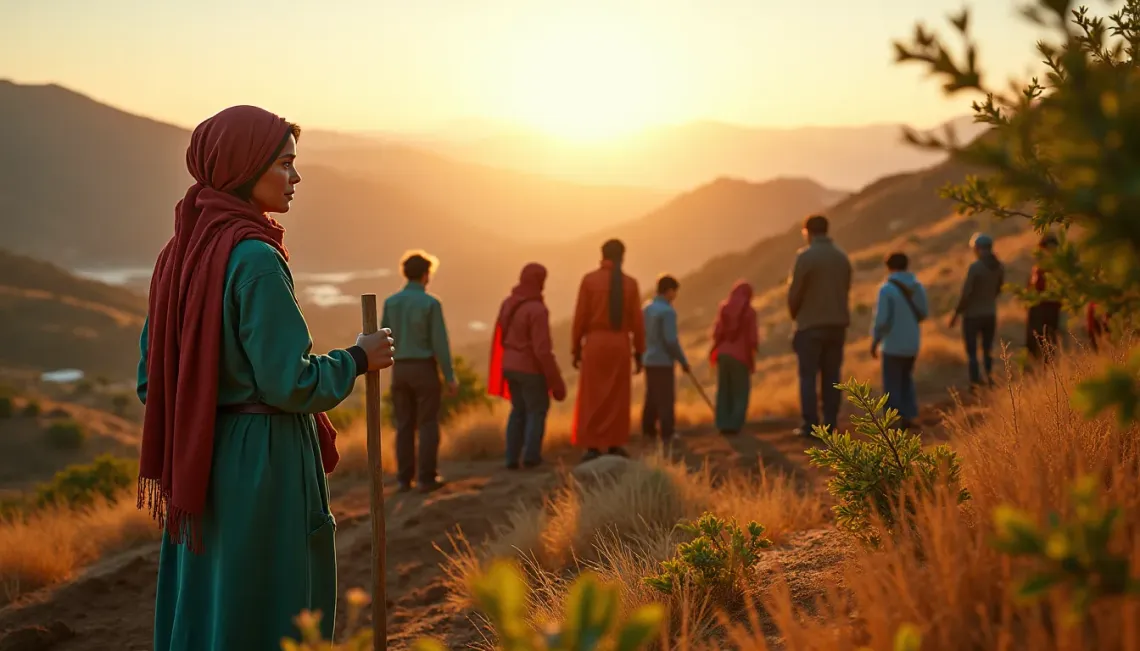
- Reforestation Programs: Initiatives aimed at combatting desertification and restoring natural habitats demonstrate Morocco’s commitment to environmental stewardship.
- Eco-Friendly Architecture: Building practices in cities like Marrakech increasingly incorporate sustainability, aligning with social responsibility.
Interconnection of Social Responsibility and Environmentalism
In Morocco, the notion of social responsibility seamlessly merges with environmental consciousness. Organizations and communities often focus on projects that bolster both societal well-being and environmental health.
Programs that construct schools from sustainable materials or develop clean water systems not only provide immediate social benefits but also reduce the environmental impact, reflecting a holistic view of sustainable giving.
Educating Future Generations
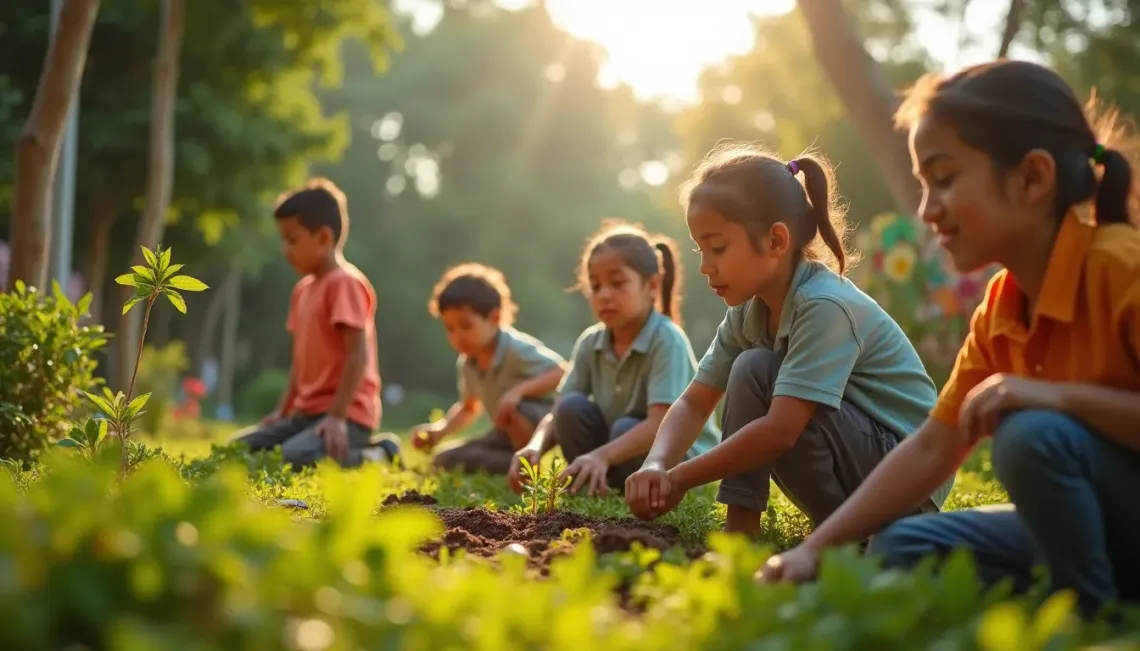
Morocco is also investing in educating young minds about the importance of sustainability. Schools often include curricula focused on environmental science and social responsibility, preparing the new generation to carry the torch of sustainability forward.
Conclusion
Incorporating charitable acts into daily life, Morocco offers a compelling model of how cultural traditions can align with modern principles of environmental impact. From a Moroccan perspective, integrating sustainable practices within charity not only enriches communities but also paves the way toward a resilient future. As Morocco continues to inspire global spectators, its dedication to sustainable giving highlights the powerful potential of conscious, collective effort.