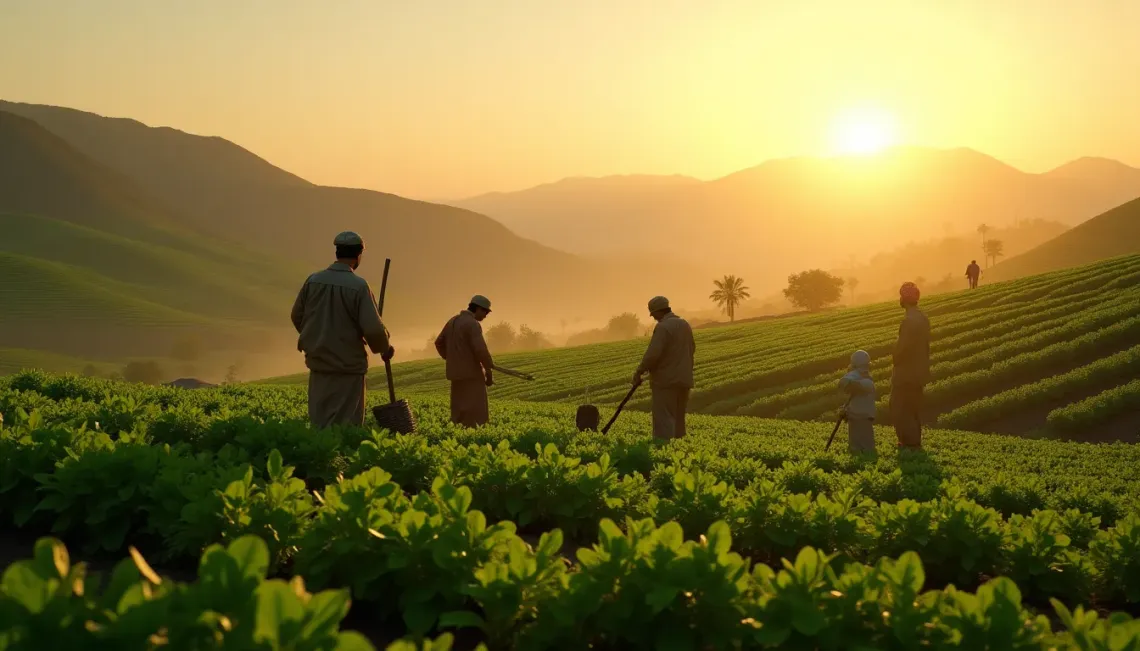

Tree planting is gradually transforming the Moroccan ecosystems, promising a substantial environmental impact through widespread reforestation efforts. This movement is not only crucial for restoring natural habitats but also pivotal in addressing the imminent challenges posed by climate change. The dynamic landscapes of Morocco, enriched with extensive biodiversity, are in a crucial phase of revival. Understanding this transformation can foster greater participation in sustainable practices, ensuring the ecological balance is preserved for future generations.
The Importance of Tree Planting in Moroccan Ecosystems
In Morocco, tree planting initiatives have gained momentum as environmentalists recognize their profound environmental impact. By enhancing forest cover, these initiatives contribute to biodiversity conservation, erosion prevention, and climate mitigation. The primary goal of these reforestation efforts is to repair degraded lands and restore natural habitats, thus supporting a balanced ecosystem.
Combatting Desertification
Morocco faces the pressing issue of desertification, where vast areas of arable land turn barren. Tree planting is an effective strategy to counteract this problem. Trees not only anchor the soil but also act as windbreakers, reducing soil erosion. An increase in tree cover boosts the water cycle, creating a more humid microclimate which can rejuvenate dry areas.
Environmental Impact and Benefits
Beyond combatting desertification, tree planting exerts a broad environmental impact on Moroccan ecosystems. These efforts are crucial for:
- Carbon Sequestration: Trees naturally absorb carbon dioxide, mitigating greenhouse gas emissions and fighting global warming.
- Habitat Restoration: Reforestation transforms barren landscapes into vibrant habitats, bolstering wildlife conservation and biodiversity.
- Economic Benefits: Promotes sustainable forestry, creating jobs and supporting rural economies through eco-tourism and agriculture.
Community Engagement in Reforestation Efforts
Successful reforestation efforts rely heavily on community involvement. Educating local communities about the benefits of tree planting fosters environmental stewardship. By incorporating indigenous knowledge and practices, these projects are tailored to suit specific ecological needs, thereby enhancing their effectiveness.
Integrating Sustainable Practices
To maximize the benefits of tree planting, Morocco is integrating sustainable farming and forestry practices. Techniques like agroforestry, which combines crops with tree cultivation, ensure that agricultural activities do not compete with forest cover. Encouraging the use of native tree species also improves the success rates of these reforestation efforts, as native trees are better adapted to local conditions.
Looking Forward: A Greener Future
The positive environmental impact of tree planting in Moroccan ecosystems paves the way for a more resilient ecological future. Through continued support and innovation, Morocco can serve as a model for other countries facing similar environmental challenges. For those interested in learning more about sustainable practices, exploring topics such as sustainable desert agriculture and renewable energy initiatives in arid regions could prove insightful.
As we conclude, it is evident that tree planting plays a critical role in enhancing Moroccan ecosystems. This transformation not only protects natural resources but also nurtures socio-economic development, ensuring a sustainable future for the region.